1. Introduction and History
The 2X2A is a vacuum tube rectifier that represents an important chapter in the evolution of vacuum tube technology. Developed during the golden age of tube electronics, the 2X2A served as a workhorse rectifier in numerous applications spanning from the 1930s through the 1960s and beyond.
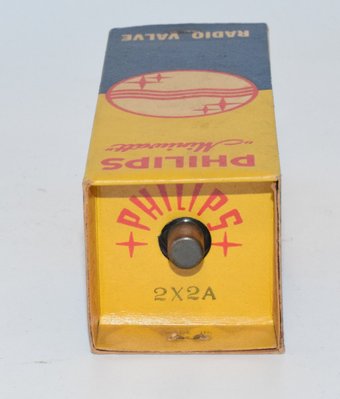
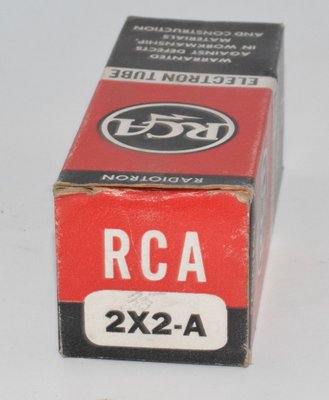
The 2X2A emerged as manufacturers sought to create more compact and efficient rectifier tubes. Its designation follows the RCA numbering system, where the initial "2" indicates a heater voltage of 2.5 volts. The tube was manufactured by major producers including RCA, Philips (Miniwatt), Mullard, GE, and other European and American tube manufacturers.
Historically, the 2X2A found widespread use in radio receivers, particularly in mid-range and lower-power applications. Its compact size and reliable performance made it an economical choice for manufacturers during an era when tube count directly impacted production costs and equipment size.
2. Technical Specifications and Design
Physical Characteristics
Tube Type: Vacuum Rectifier (Full-Wave)
Envelope: Glass bulb with octal (8-pin) base
Dimensions: Approximately 2.75 inches (70mm) in height, 1.0 inch (25mm) in diameter
Weight: Approximately 1.5 ounces (43 grams)
Electrical Specifications
Heater Voltage: 2.5V AC
Heater Current: 2.0A
Maximum Plate Voltage (per plate): 330V DC (average)
Maximum Plate Current: 150mA (average per plate)
Peak Inverse Voltage (PIV): 1,400V
Maximum RMS Input Voltage: 350V RMS per plate
Typical Output Capacitance: 8-12pF
Typical Plate Resistance: 800-1,200 ohms
Internal Structure
The 2X2A contains two independent diode structures within a single envelope, each consisting of a cathode and plate. The tube operates as a full-wave rectifier, converting AC input to pulsating DC output. The cathode is typically heated indirectly through a separate heater element, allowing for AC heater supply without introducing hum into the output.
The internal design features:
- Dual cathode structures for full-wave rectification
- Separate heater element isolated from the cathode
- Robust plate construction capable of handling peak currents
- Getter material to maintain vacuum integrity
- Octal base configuration for standardized socket compatibility
Operating Parameters
Typical Rectified Output Current: Up to 150mA at 330V DC
Output Impedance: Approximately 1,000 ohms at full load
Regulation: Moderate; approximately 8-12% voltage regulation from no-load to full-load conditions
Warm-up Time: Approximately 15-30 seconds to reach stable output
3. Applications and Usage
Historical Applications
The 2X2A was extensively used in:
- AM/FM radio receivers (1930s-1960s)
- Portable and tabletop radios
- Small audio amplifiers
- Vintage guitar amplifiers (lower-wattage models)
- Public address systems
- Test equipment and laboratory instruments
- Vintage phonograph amplifiers
Modern Audio Applications
In contemporary audio applications, the 2X2A has experienced renewed interest among audiophiles and vintage equipment enthusiasts:
Vintage Amplifier Restoration: The 2X2A remains essential for restoring classic tube amplifiers. Restorers value NOS (New Old Stock) examples from reputable manufacturers like RCA and Philips Miniwatt for their reliability and sonic characteristics.
High-End Audio: Some boutique amplifier manufacturers incorporate the 2X2A in limited-edition vintage-inspired designs. Its compact size allows for more flexible chassis layouts, while its sonic signature appeals to purists seeking authentic vintage tone.
DIY Tube Projects: The 2X2A remains popular among hobbyists building vintage-style amplifiers and audio projects. Its straightforward operation and availability of documentation make it accessible for experimental builders.
Portable Tube Amplifiers: The tube's low heater current (2.0A) and compact size make it suitable for battery-powered portable tube amplifiers, a niche market among traveling musicians and audiophiles.
Sound Characteristics
The 2X2A contributes distinctive sonic characteristics to audio equipment:
Tonal Signature: The 2X2A imparts a warm, slightly soft rectification character. Compared to solid-state rectification, the tube rectifier's higher output impedance creates subtle compression and harmonic coloration that many listeners describe as "musical" or "forgiving."
Harmonic Content: The tube introduces primarily even-order harmonics, which are generally perceived as pleasing and musical. This contributes to a smooth, integrated sound that can enhance the perceived warmth of an amplifier.
Dynamic Response: The moderate regulation of the 2X2A means that output voltage sags slightly under high current demands. This dynamic behavior can enhance the perceived responsiveness of amplifiers, particularly noticeable in guitar amplifiers where the effect contributes to natural breakup and compression characteristics.
Transient Performance: The 2X2A exhibits gentle transient response without the harshness sometimes associated with solid-state rectification. This results in less aggressive attack characteristics, contributing to a more relaxed, vintage presentation.
Frequency Response: While rectifier tubes don't significantly color the frequency response, the 2X2A's moderate output impedance can interact with filter circuits to provide subtle bass softening and treble warming, contributing to overall tonal cohesion.
Noise and Hum: Quality 2X2A tubes, particularly NOS examples, demonstrate low noise floors and minimal hum when properly implemented. The indirectly heated cathode design is particularly effective at minimizing hum.
4. Equivalent or Substitute Types
Direct Equivalents:
- 2X2: The predecessor to the 2X2A; electrically similar with slightly different maximum ratings
- EZ81: European equivalent; identical electrical characteristics and pin configuration, fully interchangeable
- 6Z4: Similar rectifier tube with 6.3V heater; not directly interchangeable without modification
Functional Alternatives:
- 5Y3GT: Higher current capacity (225mA); larger tube; similar sonic characteristics
- 5U4GB: Higher current capacity (300mA); larger tube; more robust rectification
- GZ34: European tube with similar specifications; compact size; excellent reputation in audio applications
Important Note: While some tubes may be electrically similar, always verify compatibility with specific equipment before substitution. Differences in pin configuration, heater current, and maximum ratings can affect performance and potentially damage equipment.
5. Notable Characteristics
Reliability and Longevity
The 2X2A is renowned for exceptional reliability. Unlike power tubes that operate near their thermal limits, rectifier tubes generally have long service lives. Well-manufactured examples regularly exceed 10,000 hours of operation. NOS tubes from reputable manufacturers often remain functional after 50+ years of storage.
Manufacturer Variations
RCA USA: Known for robust construction and consistent performance. RCA 2X2A tubes are highly sought by audio enthusiasts for their reliability and sonic characteristics.
Philips Miniwatt: Dutch manufacturer producing high-quality tubes with excellent specs and longevity. Philips Miniwatt 2X2A tubes are valued for their low noise and stable operation.
Mullard: British manufacturer known for precision engineering and quality control. Mullard 2X2A tubes are prized for audio applications.
GE (General Electric): American manufacturer producing reliable tubes with good specifications.
Identification and Selection
When selecting a 2X2A tube, consider:
- Manufacturer: Established manufacturers like RCA, Philips, and Mullard generally offer superior quality
- Condition: Look for tubes with clear glass, no visible damage, and intact getter material (shiny coating inside tube)
- Testing: Professionally tested tubes provide assurance of functionality
- NOS Status: New Old Stock tubes that have never been used typically offer superior performance and longevity
Maintenance and Care
To maximize 2X2A tube lifespan:
- Ensure proper heater voltage (2.5V ±10%)
- Avoid excessive plate voltage beyond specifications
- Maintain proper filter capacitor sizing to prevent excessive current draw
- Allow adequate warm-up time before applying full load
- Store unused tubes in cool, dry conditions
Conclusion
The 2X2A represents a significant achievement in vacuum tube rectifier design—a compact, reliable, and musically satisfying solution for converting AC to DC. Its enduring presence in vintage equipment and continued appreciation in modern audio circles testifies to its excellent engineering and sonic qualities.
For those restoring vintage amplifiers or building new equipment with vintage sensibilities, the 2X2A remains an excellent choice. Whether you're seeking an authentic replacement for a classic radio or exploring the sonic characteristics of tube rectification in modern audio applications, the 2X2A delivers proven performance and distinctive character that continues to resonate with audio enthusiasts worldwide.