1. Introduction and History
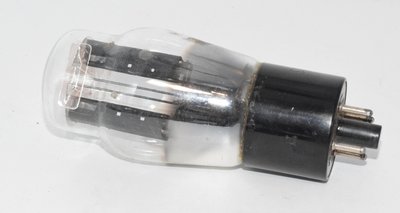
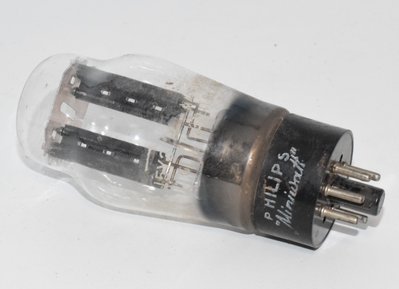
The 5Y3G is a vacuum tube rectifier that has become iconic in the world of vintage audio equipment and guitar amplification. Developed during the golden age of vacuum tube technology, this tube serves as a full-wave rectifier, converting alternating current (AC) to direct current (DC) for power supply applications. The "G" designation indicates the tube's glass envelope construction, while the "5" prefix denotes its heater voltage rating of 5 volts.
The 5Y3G emerged in the 1940s and became widely adopted in consumer electronics, particularly in guitar amplifiers, radio receivers, and early hi-fi audio equipment. Its popularity has endured decades, and today it remains a sought-after component among vintage audio enthusiasts and musicians who value the tonal characteristics it imparts to amplifier circuits. The tube's longevity in design specifications speaks to its reliability and effectiveness as a rectifier element.
2. Technical Specifications and Design
Physical and Electrical Characteristics
The 5Y3G is a dual-diode vacuum tube featuring two separate diode elements within a single glass envelope. Its physical dimensions measure approximately 2.75 inches (70mm) in height, with a standard octal (8-pin) base configuration that allows for straightforward integration into existing amplifier circuits.
Key Specifications:
- Heater Voltage: 5.0V AC at 2.0A
- Heater Type: Directly heated cathode
- Maximum Plate Voltage (per diode): 1,450V DC
- Maximum Plate Current (per diode): 250mA
- Peak Inverse Voltage (PIV): 2,900V
- Output Current Capacity: Up to 200mA continuous
- Tube Base: Octal (8-pin)
- Envelope Type: Glass (G suffix)
Internal Design
The 5Y3G contains two independent cathode-anode structures housed within a single evacuated glass bulb. The tube utilizes a directly heated cathode design, meaning the cathode itself serves as the heating element. This design differs from indirectly heated tubes and contributes to the tube's distinctive operational characteristics. The dual-diode configuration allows the 5Y3G to function as a full-wave rectifier when connected in a standard bridge or center-tapped transformer configuration.
The internal structure includes a heater element, two separate cathodes, and two anode plates. This configuration enables the tube to rectify both halves of an AC waveform simultaneously, producing a more stable DC output compared to half-wave rectification. The generous cathode design and robust anode construction allow the tube to handle the high currents typical of guitar amplifier power supplies without premature failure.
Ratings and Operating Parameters
The 5Y3G is rated for continuous operation at maximum plate current of 200mA, making it suitable for amplifiers drawing moderate to substantial current. The tube's peak inverse voltage rating of 2,900V ensures reliable operation in high-voltage power supply circuits. These generous ratings contribute to the tube's reputation for reliability and longevity in demanding applications.
3. Applications and Usage
Guitar Amplifiers
The 5Y3G has become legendary in guitar amplifier design, particularly in classic tube amps from the 1950s and 1960s. Fender, Marshall, Vox, and numerous other amplifier manufacturers incorporated the 5Y3G in their power supply designs. The tube's ability to handle the current demands of push-pull output stages made it ideal for amplifiers ranging from 15 watts to 50+ watts. Notable amplifiers using the 5Y3G include the Fender Bassman, Fender Deluxe, and various Marshall and Vox designs.
Vintage Audio Equipment
Beyond guitar amplifiers, the 5Y3G found widespread use in vintage radio receivers, phonograph amplifiers, and early hi-fi audio systems. Its reliability and proven design made it a standard choice for manufacturers seeking dependable power supply rectification. Many vintage tube radios and audio components from the 1940s through 1960s continue to function with original 5Y3G tubes.
Audio Community Applications
In the contemporary audio community, the 5Y3G occupies a special place among enthusiasts and professionals:
Tube Amp Restoration and Modification
Vintage amplifier restoration has become a thriving specialty within the audio and guitar communities. When restoring classic tube amplifiers, technicians often replace worn rectifier tubes with new 5Y3G units. The availability of modern reproductions from reputable manufacturers ensures that vintage amplifiers can be maintained and restored to their original specifications. Some builders also experiment with different 5Y3G variants to subtly modify amplifier characteristics.
High-End Audio Systems
Audiophiles and high-end audio enthusiasts continue to value 5Y3G tubes in vintage and retro-styled amplifier designs. The tube's contribution to the overall sound signature of tube amplifiers makes it a consideration in component selection for custom builds and modifications. Some boutique amplifier manufacturers intentionally specify 5Y3G rectifiers to achieve specific sonic characteristics in their designs.
Musical Instrument Amplification
Musicians actively seek amplifiers with 5Y3G rectifiers, both for their sonic properties and their historical significance. The tube's performance in classic guitar amp designs has made it synonymous with authentic vintage tone. This has driven continued demand for both original NOS (New Old Stock) tubes and modern reproductions from manufacturers like Mullard, Telefunken, and contemporary producers.
DIY and Custom Amplifier Building
The maker community and DIY amplifier builders frequently specify 5Y3G tubes in custom designs. The tube's well-documented performance characteristics, availability of detailed schematics, and proven reliability make it a natural choice for hobbyists constructing tube amplifiers. Online communities dedicated to tube amp building maintain extensive documentation about 5Y3G performance and optimal circuit configurations.
4. Sound Characteristics of the 5Y3G
Tonal Contribution
The 5Y3G rectifier tube contributes distinctly to the overall sound character of amplifiers in which it operates. Unlike output tubes or preamp tubes that directly amplify signals, the rectifier's influence is more subtle but nonetheless significant:
Sag and Dynamic Response
The 5Y3G exhibits natural voltage sag under load—a characteristic prized by many musicians. When the amplifier demands maximum current (such as during heavy playing), the rectifier tube's internal resistance causes the B+ voltage to decrease slightly. This dynamic sag contributes to the amplifier's responsiveness and natural compression, allowing the amp to "breathe" with the player's dynamics. This characteristic is particularly valued in blues and rock playing styles where touch sensitivity and dynamic control enhance musical expression.
Harmonic Coloration
The 5Y3G imparts subtle harmonic coloration to the power supply, which influences the overall tonal palette of the amplifier. This coloration is generally described as warm and organic, contributing to the vintage character that makes classic tube amps so musically appealing. The tube's contribution to harmonic content is one reason why vintage amplifiers often sound distinctly different from modern solid-state rectified designs, even when other components are identical.
Transient Response
The rectifier tube's characteristics affect how quickly the power supply responds to sudden changes in current demand. The 5Y3G's relatively slow response to transients contributes to a slightly "softened" attack compared to solid-state rectification. Many musicians perceive this as a desirable smoothing effect that reduces harshness and promotes musical tone, particularly in high-gain applications where solid-state rectifiers might produce excessive brightness.
Comparative Sonic Properties
Experienced tube amp users report that 5Y3G tubes sound warmer and more musical than solid-state rectifiers, though this is subjective and depends on the specific amplifier design and application. When compared to other rectifier tubes like the 5U4, the 5Y3G is often described as slightly less aggressive, with a marginally softer feel. This makes the 5Y3G particularly suitable for applications where musical warmth and smooth response are priorities.
5. Equivalent or Substitute Types
Direct Equivalents
5Y3GT: The 5Y3GT is the direct equivalent of the 5Y3G, with the only difference being the envelope type. The "T" suffix indicates a tubular glass envelope, while "G" indicates a GT (glass top) or standard glass bulb. Electrically and functionally, these tubes are identical and can be used interchangeably. The 5Y3GT variant is sometimes more readily available in the modern market.
Functional Alternatives
5U4G/5U4GT: The 5U4 is a heavier-duty rectifier tube with similar voltage ratings but higher current capacity. It can substitute for the 5Y3G in many applications, though it requires different heater wiring (3.15V at 3.0A vs. 5V at 2.0A). The 5U4 is often preferred in high-current applications or when maximum headroom is desired.
EZ81/6V4: These are lighter-duty alternatives suitable for lower-current applications. They cannot substitute for the 5Y3G in high-current amplifiers but may work in some vintage radio and audio equipment originally designed for them.
Solid-State Rectification: Many amplifier technicians offer solid-state rectifier kits that replace the 5Y3G with modern diode bridges. While this eliminates the tube's contribution to tone and sag characteristics, it provides increased reliability and eliminates the need for rectifier tube replacement. However, most tube enthusiasts prefer to maintain tube rectification to preserve the original sonic character.
Substitution Considerations
When substituting rectifier tubes, several factors must be considered: heater voltage compatibility, current capacity requirements, and the desired sonic characteristics. The 5Y3G's 5V heater requirement is unique among common rectifiers, limiting direct substitution options. Amplifiers designed specifically for 5Y3G operation should ideally use 5Y3G or 5Y3GT replacements to maintain proper operation and sonic character.
6. Notable Characteristics and Considerations
Reliability and Longevity
The 5Y3G has earned a reputation as one of the most reliable rectifier tubes ever manufactured. Many original tubes from the 1950s and 1960s continue to function perfectly, testament to the robust engineering and conservative electrical ratings. This reliability has made the 5Y3G a preferred choice for critical applications where tube failure would be problematic.
Availability
The 5Y3G remains readily available from multiple manufacturers, both as NOS (New Old Stock) original tubes and as modern reproductions. Reputable manufacturers including Mullard, Telefunken, JJ Electronics, and others produce 5Y3G tubes that meet or exceed original specifications. This ongoing availability ensures that vintage amplifiers can be maintained and restored without difficulty.
Thermal Characteristics
The 5Y3G operates at moderate temperatures compared to some output tubes, contributing to its reliability and longevity. The tube's heater draws 2.0A at 5V, a moderate power requirement that doesn't stress typical amplifier power supplies. This efficient thermal management contributes to extended tube life in properly designed circuits.
Matching and Binning
Unlike output tubes, rectifier tubes do not require matching pairs or quads. Individual 5Y3G tubes can be selected based on their individual characteristics. However, some experienced users report subtle differences between tubes from different manufacturers or manufacturing eras, which may influence amplifier tone and feel. This has led to a market for premium NOS tubes and selective tube matching among audiophile and professional communities.
Testing and Quality Control
Modern 5Y3G tubes are typically tested for proper rectification efficiency, leakage, and gas content before shipment. Quality control standards ensure consistent performance across production batches. When purchasing replacement tubes, sourcing from reputable vendors who perform rigorous testing ensures reliable operation and longevity.
Conclusion
The 5Y3G rectifier tube represents a pinnacle of vacuum tube rectifier design—simple, reliable, and musically effective. Its continued relevance in vintage amplifier restoration, high-end audio systems, and custom amplifier building demonstrates the enduring value of this classic component. Whether preserving the authenticity of a vintage guitar amplifier or crafting a new tube amp design, the 5Y3G delivers dependable performance and contributes meaningfully to the sonic character that makes tube amplification so beloved by musicians and audiophiles worldwide.
The combination of generous electrical ratings, proven reliability, ongoing availability, and distinctive sonic characteristics ensures that the 5Y3G will remain a cornerstone of tube audio technology for generations to come.