1. Introduction and History
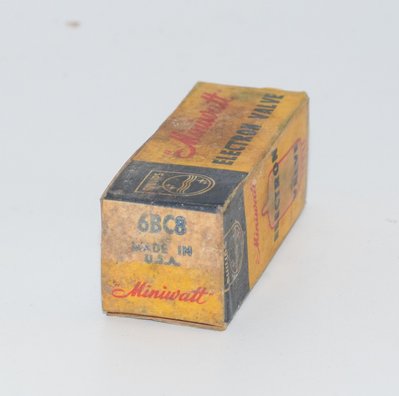
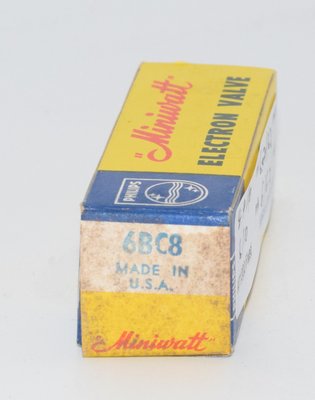
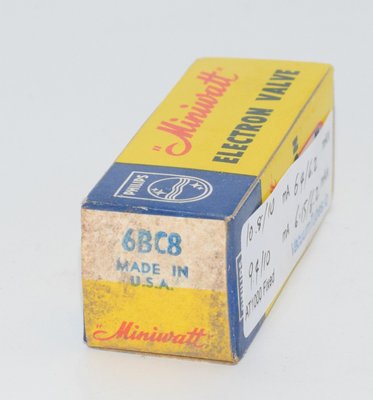
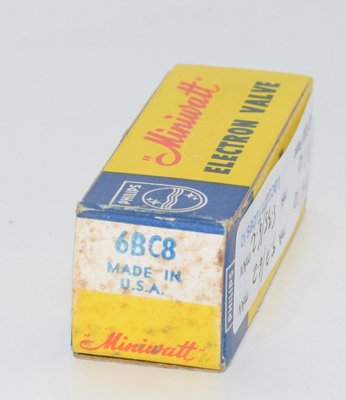
The 6BC8 is a medium-mu triode vacuum tube that emerged during the golden age of tube electronics in the 1950s. Designed primarily for use in television receivers and audio amplification circuits, the 6BC8 represents a significant evolution in triode technology, offering improved performance characteristics over earlier designs. The tube was manufactured by major producers including Philips (under the Miniwatt brand), RCA, Mullard, and various European and Japanese manufacturers.
The 6BC8 designation follows the standard RCA nomenclature system where "6" indicates the 6.3-volt heater supply, "B" denotes the tube category (triode), "C" indicates the specific type classification, and "8" is the arbitrary designation number. This tube became particularly popular in mid-to-high-fidelity audio applications during the 1950s and 1960s, where its characteristics made it ideal for both preamplifier and driver stage applications.
2. Technical Specifications and Design
Basic Parameters
- Tube Type: Medium-mu Triode
- Heater Voltage: 6.3V AC
- Heater Current: 900 mA (0.9A)
- Maximum Plate Voltage: 550V
- Maximum Plate Dissipation: 2.5W
- Amplification Factor (μ): 17
- Plate Resistance (rp): Approximately 4,000 ohms
- Transconductance (gm): Approximately 4,200 micromhos
Operating Characteristics
The 6BC8 operates as a medium-mu triode, meaning it provides moderate voltage amplification with reasonable output impedance. This characteristic makes it particularly suitable for intermediate amplification stages. Typical operating points for the 6BC8 include:
- Class A1 Operation: Plate voltage 250-400V, plate current 15-40mA, grid bias -2 to -4V
- Maximum Ratings: Plate dissipation limited to 2.5W under continuous operation
- Typical Gain: 12-15 dB per stage depending on load impedance and operating conditions
Physical Construction
The 6BC8 features a standard 9-pin miniature tube construction (noval base), measuring approximately 2.5 inches in height. The tube contains a directly heated cathode, control grid, screen grid (though acting as a triode), and plate within an evacuated glass envelope. The internal structure is optimized for low microphonics and stable operation, with carefully designed electrode spacing to minimize capacitive coupling and maximize linearity.
3. Applications and Usage
Historical Applications
Originally designed for television receiver circuits, particularly in vertical deflection amplifier stages, the 6BC8 found widespread use in consumer electronics throughout the 1950s and 1960s. Its reliable performance and moderate power requirements made it ideal for mass-produced equipment.
Audio Applications
In high-fidelity audio systems, the 6BC8 has been employed in several configurations:
- Preamplifier Stages: The tube's moderate gain and low noise characteristics make it suitable for phono preamplifiers and line-level preamp circuits
- Driver Stages: In tube amplifiers, the 6BC8 serves effectively as a driver tube, providing sufficient voltage and current swing to properly bias power tubes
- Cathode Follower Configurations: The tube can be configured as a cathode follower for low-impedance output stages
- Phase Inverter Stages: Some designs utilize the 6BC8 in long-tail pair or differential configurations for balanced signal generation
4. Sound Characteristics
The 6BC8 is highly regarded among audio enthusiasts for its distinctive sonic signature. Users consistently report the following audio characteristics:
Tonal Balance
The 6BC8 exhibits a warm, musical midrange presentation with natural harmonic coloration. The tube's medium-mu characteristics contribute to a smooth, non-fatiguing sound that many listeners describe as "tube-like" in the best sense. The frequency response is relatively flat across the audible spectrum, though subtle harmonic distortion products add richness to the sound.
Dynamics and Transient Response
Due to its moderate transconductance and appropriate plate resistance, the 6BC8 demonstrates excellent transient response with quick attack and natural decay characteristics. Musical dynamics are preserved without artificial compression, making the tube particularly effective for acoustic instruments and vocals.
Noise and Distortion Profile
The 6BC8 produces low noise in properly designed circuits, typically below 80 dB below full output. The harmonic distortion profile is predominantly second and third harmonics, which are generally considered musically pleasant. This distortion characteristic contributes to the "sweetness" often attributed to 6BC8-based equipment.
Imaging and Soundstage
Preamplifiers utilizing 6BC8 tubes are noted for excellent stereo imaging and three-dimensional soundstage presentation. The low distortion and high linearity preserve spatial cues in the audio signal.
5. Usage in the Audio Community
Vintage Equipment Restoration
The 6BC8 remains highly sought after by vintage audio enthusiasts and restoration specialists. Original equipment manufacturers' designs from the 1950s-1970s frequently employed this tube, and collectors actively seek quality examples for restoration projects. NOS (New Old Stock) 6BC8 tubes, particularly Philips Miniwatt variants, command premium prices due to their proven reliability and sonic qualities.
Contemporary Audio Design
Modern boutique tube amplifier manufacturers continue to incorporate the 6BC8 into new designs, recognizing its superior performance characteristics. High-end preamp designers specifically select this tube for its combination of low noise, excellent linearity, and musically pleasing distortion characteristics.
DIY and Hobbyist Community
The 6BC8 is extremely popular in DIY audio circles, particularly among tube amplifier enthusiasts who design and build custom preamps and amplifiers. The tube's moderate power requirements, standard pinout, and well-documented characteristics make it ideal for experimental and educational projects.
Professional Audio Applications
Recording studios and mastering facilities that maintain tube-based equipment often employ 6BC8 tubes in signal chain components. The tube's transparent yet musical character makes it suitable for critical monitoring applications.
Collector and Enthusiast Value
Certain variants of the 6BC8, particularly those manufactured by Philips in Holland or Mullard in Britain, are considered collectible components. Enthusiasts value these tubes not only for their sonic qualities but also as examples of mid-century European manufacturing excellence. The Philips Miniwatt 6BC8 is particularly prized, with well-preserved examples fetching significant prices in the vintage tube market.
6. Equivalent or Substitute Types
Direct Equivalents
- 6BC8A: An improved version with slightly tighter specifications and enhanced reliability. Sonically very similar with marginally lower noise floor
- ECL82 (European designation): Functionally similar triode section, though with different heater requirements (0.3A at 6.3V) and slightly different gain characteristics
Functional Alternatives
- 6AV6: Lower-mu triode with different gain characteristics, suitable for some applications but with different sonic signature
- 6BQ7: Higher-power triode with greater plate dissipation capability, suitable for driver applications requiring more output power
- 12AX7: Higher-mu triode offering greater voltage gain, though with different impedance characteristics and typically higher noise
Substitution Considerations
While certain tubes may function as electrical substitutes in specific circuits, direct sonic substitution is not recommended without circuit analysis. The 6BC8's particular combination of gain, impedance, and distortion characteristics contributes to its unique sonic signature. Substituting alternative tube types will result in measurably different performance and tonal characteristics.
7. Notable Characteristics
Reliability and Longevity
The 6BC8 is renowned for exceptional reliability and extended operational lifespan. Well-manufactured examples frequently operate for tens of thousands of hours without degradation. This reliability contributed to its widespread use in consumer equipment and continues to make it attractive for modern applications.
Microphonics Performance
The tube's internal construction results in relatively low microphonic susceptibility compared to some alternative designs. This characteristic is particularly valuable in preamplifier applications where microphonic noise can degrade audio quality.
Thermal Stability
The 6BC8 demonstrates excellent thermal stability, with minimal changes in operating characteristics across normal temperature ranges. This stability contributes to consistent sound quality and reliable operation in various environmental conditions.
Manufacturing Quality Variations
Significant sonic differences exist between tubes from different manufacturers and production periods. Philips Miniwatt examples are generally considered superior to American RCA variants, with European Mullard and Telefunken tubes also highly regarded. These differences reflect variations in construction techniques, materials, and quality control standards.
Conclusion
The 6BC8 remains a significant tube in audio history and contemporary practice. Its technical specifications, proven reliability, and distinctive sonic characteristics make it an excellent choice for both restoration of vintage equipment and incorporation into modern designs. The tube's warm, musical presentation combined with low noise and excellent transient response explains its continued popularity among audio professionals and enthusiasts. For those seeking authentic vintage audio quality or designing new tube-based systems, the 6BC8—particularly well-preserved NOS examples from respected manufacturers like Philips—represents an excellent investment in sonic performance and audio heritage.