1. Introduction and History
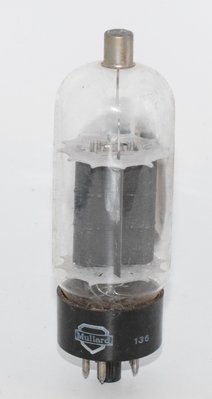
The 6CD6 is a medium-power beam tetrode vacuum tube developed during the mid-20th century for use in audio and radio frequency applications. Designed to deliver robust performance in compact form factors, the 6CD6 emerged as a popular choice for manufacturers seeking reliable amplification solutions in the post-war era.
The tube was developed by major manufacturers including Mullard, RCA, and other prominent valve producers. It represents an important evolution in tube technology, offering improved efficiency and power handling compared to earlier triode designs. The 6CD6 found widespread adoption in both consumer and professional audio equipment throughout the 1950s and 1960s, establishing itself as a workhorse tube in the industry.
The designation "6" indicates the 6.3-volt heater specification typical of American tube nomenclature, while "CD6" identifies the specific tube type and its functional characteristics as a beam tetrode.
2. Technical Specifications and Design
Physical and Electrical Characteristics
Heater Specifications:
- Heater Voltage: 6.3V AC
- Heater Current: 1.1A
- Heater Type: Indirect (thoriated tungsten cathode)
Maximum Ratings (Plate):
- Maximum Plate Voltage: 550V
- Maximum Plate Dissipation: 19W
- Maximum Plate Current: 150mA
- Maximum Grid Voltage: -50V
Beam Tetrode Configuration:
The 6CD6 is a beam tetrode, featuring four active elements: cathode, control grid, screen grid, and plate. The design incorporates beam-forming plates that focus the electron stream into narrow beams, improving efficiency and reducing plate dissipation. This configuration provides superior performance compared to conventional pentodes in similar power classes.
Typical Operating Characteristics (Class AB):
- Plate Voltage: 330V to 450V
- Screen Voltage: 110V to 150V
- Control Grid Bias: -15V to -25V
- Plate Current (Quiescent): 40-60mA per tube
- Maximum Output Power: 12-15W per tube (push-pull pair)
- Amplification Factor (μ): 8-10
- Plate Resistance (rp): 2,500-3,500 ohms
- Transconductance (gm): 5,500-6,500 μmhos
Tube Construction:
The 6CD6 features an octal base (8-pin) configuration with a glass envelope. The internal structure includes carefully designed beam-forming plates that create the characteristic beam tetrode performance. The tube's robust construction allows for reliable operation at elevated temperatures and demanding conditions.
3. Applications and Usage
Audio Amplifier Applications
The 6CD6 has been extensively utilized in audio power amplifier designs, particularly in:
- Integrated Amplifiers: Mid-power designs requiring 15-20W per channel output
- Push-Pull Configurations: Paired 6CD6 tubes in Class AB operation for improved linearity and reduced distortion
- Mono Power Amplifiers: Single-channel designs delivering 12-18W for compact speaker systems
- Guitar Amplifiers: Vintage tube amp designs where warm, responsive tone is prioritized
- PA Systems: Portable public address equipment requiring moderate power output
Radio Frequency Applications
Beyond audio, the 6CD6 served in:
- AM/FM radio transmitters
- RF power amplifier stages
- Industrial heating applications
Audio Community Usage
Within the contemporary audio enthusiast community, the 6CD6 occupies a unique niche:
Vintage Equipment Restoration: Audiophiles and tube amp technicians actively seek quality 6CD6 tubes for restoring classic amplifiers from the 1950s-1970s era. Mullard, RCA, and Telefunken branded examples command premium prices among collectors due to their sonic reputation.
DIY Amplifier Design: The 6CD6 remains popular in the DIY tube amplifier community for building compact, efficient amplifiers. Its moderate power output makes it ideal for desktop systems and nearfield listening applications. Numerous published designs provide guidance for constructing 6CD6-based amplifiers.
Tonal Characteristics: Audio enthusiasts appreciate the 6CD6 for its characteristic warm, slightly colored midrange presentation. Many users report that 6CD6 amplifiers deliver pleasing harmonic distortion characteristics that complement both digital and analog sources. The tube exhibits natural compression characteristics that some listeners find musically engaging.
Valve Rolling: The 6CD6 is a popular choice for tube rolling experiments, where users substitute different branded examples to explore subtle tonal variations. Mullard examples are often described as warm and detailed, while RCA variants are noted for extended treble response.
Tube Matching and Biasing: Serious audio enthusiasts invest in matched pairs of 6CD6 tubes, as well as bias probe meters to optimize amplifier performance. Proper biasing significantly impacts tone and reliability in push-pull configurations.
4. Sound Characteristics of the 6CD6
The 6CD6 possesses distinctive sonic qualities that have endeared it to tube audio enthusiasts:
Midrange Presentation: The 6CD6 is renowned for a rich, warm midrange with excellent presence. Vocals and acoustic instruments exhibit natural body and emotional engagement. The tube's inherent characteristics seem to flatter most program material without introducing obvious coloration.
Bass Response: Bass frequencies are delivered with moderate weight and control. While not the deepest or most extended low-end performer, the 6CD6 provides sufficient bass authority for most listening applications. The tube exhibits good transient response, allowing for articulate bass guitar and kick drum reproduction.
Treble Characteristics: Treble response is generally smooth and non-fatiguing, though somewhat rolled-off compared to modern solid-state designs. This characteristic makes the 6CD6 particularly forgiving of harsh source material or bright recordings. Some listeners appreciate this smoothness, while others may desire more extended high-frequency detail.
Harmonic Distortion: The 6CD6 exhibits pleasant harmonic distortion characteristics, particularly in the midrange. Distortion products are primarily second and third-order harmonics, which listeners often perceive as musical rather than harsh. This contributes to the tube's reputation for "warm" sound.
Dynamic Performance: The 6CD6 delivers adequate dynamic range for most listening applications. While not as dynamic as high-power output tubes, the 6CD6 handles dynamic peaks competently and exhibits natural compression characteristics that some listeners find musically engaging.
Soundstage and Imaging: Well-designed 6CD6 amplifiers can deliver respectable soundstage width and depth. The tube's moderate output impedance allows for good interaction with typical loudspeaker loads, contributing to coherent imaging characteristics.
5. Equivalent or Substitute Types
Several tubes can serve as substitutes or equivalents for the 6CD6, though perfect replacements are limited:
Direct Equivalents:
- 6L6: The 6L6 is a beam tetrode of similar vintage and construction. While rated for lower plate dissipation (30W vs. 19W for the 6CD6), some designs allow substitution with appropriate bias adjustment. The 6L6 typically delivers slightly higher output power.
- 5881: A military-grade equivalent to the 6L6, the 5881 can substitute in many 6CD6 applications with proper impedance matching and bias adjustment.
- EL84: Though smaller and lower-powered, the EL84 operates on similar principles and can substitute in some applications, though output power will be reduced.
Approximate Substitutes:
- 6V6: A lower-power beam tetrode suitable for applications requiring reduced output.
- EL34: A European pentode offering higher power output but different tonal characteristics.
Important Considerations: Direct substitution of alternative tubes requires careful attention to circuit design, impedance matching, and bias adjustment. Consulting amplifier schematics and manufacturer recommendations is essential before attempting tube substitutions.
6. Notable Characteristics
Reliability and Longevity: The 6CD6 is known for robust construction and reliable long-term performance. Many examples from the 1950s-1960s remain functional today, testament to the quality of manufacture by companies like Mullard and RCA.
Thermal Stability: The 6CD6 exhibits good thermal stability, maintaining relatively consistent performance as it warms up. This characteristic contributes to reliable operation and reduced drift in amplifier biasing.
Availability: Quality 6CD6 tubes remain available through specialty tube suppliers and online retailers, though prices have increased due to collector demand. Mullard-branded examples command premium prices, while lesser-known brands offer budget alternatives.
Manufacturing Heritage: The Mullard 6CD6 represents British vacuum tube engineering excellence. Mullard's rigorous quality control and use of premium materials resulted in tubes known for exceptional reliability and sonic performance.
Biasing Sensitivity: The 6CD6 exhibits moderate sensitivity to bias point variations. Proper biasing is important for optimal performance and longevity, making bias probe measurement a worthwhile investment for serious users.
Screen Grid Current: The screen grid in the 6CD6 requires careful design consideration, as excessive screen current can lead to premature tube failure. Proper screen supply design with appropriate dropping resistors is essential.
Conclusion
The 6CD6 vacuum tube represents an important chapter in audio amplification history. Its combination of moderate power output, efficient beam tetrode design, and pleasing sonic characteristics has ensured its continued relevance among tube audio enthusiasts. Whether restoring vintage equipment or building new designs, the 6CD6 offers a compelling balance of performance, availability, and tonal character that continues to attract dedicated followers in the audio community.