1. Introduction and History
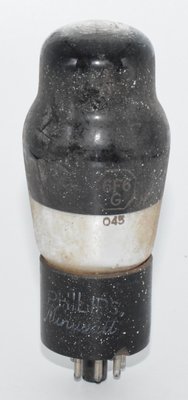
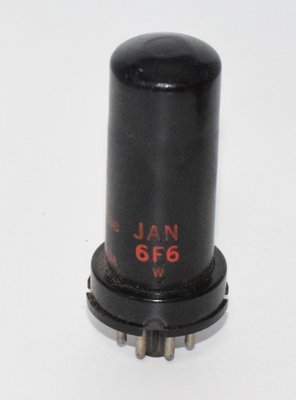
The 6F6 is a medium-power triode vacuum tube that emerged during the golden age of tube electronics in the 1930s and 1940s. Developed primarily by RCA and manufactured by multiple companies including Westinghouse, the 6F6 became a staple in audio amplification, particularly in radio receivers and small to medium-sized audio amplifiers. The tube designation follows the RCA numbering system, where the "6" indicates the 6.3-volt heater requirement, while "F6" denotes its functional classification as a power triode.
The 6F6 gained popularity during the pre-World War II era and remained in production through the 1950s. Its design represented a significant advancement in audio tube technology, offering improved power handling and efficiency compared to earlier triode designs. Westinghouse Canada was among the notable manufacturers of this tube, producing high-quality examples that are now sought after by vintage audio enthusiasts and restoration specialists.
2. Technical Specifications and Design
Basic Electrical Parameters
Heater Specifications:
- Heater Voltage: 6.3V AC or DC
- Heater Current: 0.45A
- Heater Type: Directly heated cathode
Plate (Anode) Characteristics:
- Maximum Plate Voltage: 330V
- Maximum Plate Dissipation: 9W per triode (18W total for dual triode configurations)
- Typical Operating Plate Voltage: 250-300V
- Typical Plate Current: 40-80mA
Grid Characteristics:
- Grid Type: Control grid with suppressor grid in some configurations
- Typical Grid Bias: -15V to -25V (Class AB operation)
- Maximum Grid Dissipation: 0.5W
Amplification Factor (μ): Approximately 8-10, indicating moderate voltage amplification capability
Plate Resistance (rp): Approximately 800-1200 ohms
Transconductance (gm): Approximately 6-8 mS (millisiemens)
Physical Design and Construction
The 6F6 features an octal base (8-pin configuration) with the following pin layout:
- Pin 1: Plate (Anode)
- Pin 2: Control Grid
- Pin 3: Cathode
- Pin 4: Heater (negative)
- Pin 5: Heater (positive)
- Pin 6: Suppressor Grid (tied to cathode internally or externally)
- Pin 7: Plate (second triode in dual configurations)
- Pin 8: Control Grid (second triode)
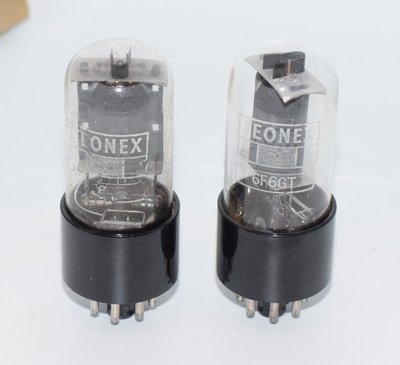
The tube measures approximately 2.5 inches (63mm) in height and features a glass envelope with an internal structure consisting of a tungsten filament cathode, multiple grid elements, and a nickel or molybdenum plate. The robust construction allows for reliable operation in demanding applications.
Operating Modes
The 6F6 can be operated in several configurations:
- Single-Ended Triode (SET): Provides 2-4 watts of audio output power
- Push-Pull Configuration: Two 6F6 tubes in push-pull arrangement deliver 8-12 watts with reduced harmonic distortion
- Class A Operation: Linear amplification with minimal distortion
- Class AB Operation: Higher efficiency with moderate distortion levels
3. Applications and Usage
Historical Applications
During its heyday, the 6F6 was employed in numerous applications:
- Radio Receivers: As output tubes in AM and early FM radio receivers
- Phonograph Amplifiers: Integrated into record player amplification stages
- Public Address Systems: Small to medium-sized PA amplifiers for venues and institutions
- Guitar Amplifiers: Early tube guitar amps utilized the 6F6 for its warm, responsive tone
- Portable Amplifiers: Battery-powered audio amplifiers for field recording and portable entertainment
Modern Audio Community Usage
In contemporary times, the 6F6 has experienced a renaissance among vintage audio enthusiasts and audiophiles:
- Vintage Amplifier Restoration: Restorers and collectors seek NOS (New Old Stock) 6F6 tubes to restore original functionality and sound characteristics to classic amplifiers. Westinghouse Canada examples are particularly prized for their consistent quality and sonic properties.
- DIY Audio Projects: Hobbyists and small manufacturers design modern amplifiers around the 6F6, appreciating its moderate power output, ease of implementation, and affordable cost compared to larger power tubes.
- Boutique Amplifier Manufacturing: High-end audio companies incorporate 6F6 tubes into limited-edition amplifiers, capitalizing on the tube's warm sonic signature and historical significance.
- Audio Experimentation: Musicians and engineers use 6F6-based amplifiers for their unique tonal characteristics, particularly in genres like blues, vintage rock, and jazz.
- Collector's Market: Audiophile collectors actively seek NOS examples, particularly from reputable manufacturers like Westinghouse, for both sonic evaluation and collection purposes.
4. Sound Characteristics of the 6F6
Tonal Profile
The 6F6 is renowned among audio professionals for its distinctive sonic signature:
- Midrange Presence: The tube exhibits a pronounced, articulate midrange that adds clarity and presence to vocal and instrumental recordings. This characteristic makes it particularly suitable for voice amplification and acoustic instruments.
- Warm Bass Response: The 6F6 produces a naturally warm, slightly soft bass response that avoids harshness while maintaining definition. This warmth is attributable to the tube's moderate plate resistance and natural harmonic distortion characteristics.
- Smooth Treble: High-frequency reproduction is smooth and non-fatiguing, with natural roll-off that prevents harshness or excessive sibilance. This makes the 6F6 particularly suitable for extended listening sessions.
- Natural Compression: The tube exhibits a gentle, musical compression characteristic as it approaches maximum output, creating a soft-knee saturation that many engineers find musically appealing.
Harmonic Distortion Characteristics
The 6F6's distortion profile is highly valued in audio applications:
- Low Harmonic Distortion: At moderate operating levels, total harmonic distortion (THD) typically ranges from 1-3%, significantly lower than many output tubes.
- Musical Harmonic Content: The harmonic distortion produced is predominantly second-order, which is generally perceived as musically pleasant and adds a subtle warmth rather than harshness.
- Odd-Order Harmonics: The relatively low odd-order harmonic content (3rd, 5th, 7th) contributes to the smooth, non-fatiguing sound character.
- Headroom: The tube maintains reasonable headroom before reaching unpleasant distortion characteristics, allowing for dynamic program material.
Comparative Sonic Qualities
Compared to other power tubes:
- vs. 6L6: The 6F6 is warmer and softer, with less aggressive treble and more pronounced midrange presence
- vs. EL84: The 6F6 offers greater power output with a less compressed, more open sound
- vs. 300B: The 6F6 is more efficient and practical, with slightly less refined treble but comparable warmth
5. Equivalent or Substitute Types
Direct Equivalents
- 6F6G: The "G" designation indicates an improved version with better high-frequency characteristics
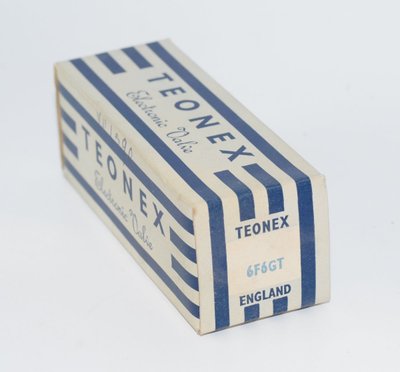
- 6F6GT: Glass envelope variant with identical electrical characteristics
- RCA 6F6: The original RCA design, considered the reference standard
- Westinghouse 6F6: Canadian-manufactured examples known for consistent quality and warm tone
Functional Equivalents and Substitutes
While not perfect substitutes, the following tubes can function in 6F6 circuits with modifications:
- 6V6: Lower power output (3-4W) but similar sonic character; requires bias adjustment
- 6L6: Higher power output (8-10W single-ended) with more aggressive character; requires circuit modifications
- EL84: European equivalent with different tonal characteristics; requires transformer changes
- 6AQ5: Lower power variant suitable for low-power applications
Substitution Considerations
When considering substitutes, engineers must account for:
- Different plate resistance values affecting output transformer impedance matching
- Varying bias requirements and grid characteristics
- Plate dissipation limits affecting circuit design
- Sonic implications of different harmonic distortion profiles
6. Notable Characteristics
Reliability and Longevity
The 6F6 is known for exceptional reliability:
- Robust construction withstands thermal cycling and mechanical stress
- Typical tube life: 3,000-5,000 hours of continuous operation
- Gradual degradation pattern allows for predictable maintenance scheduling
- Low failure rate compared to contemporary tube designs
Manufacturing Quality
Westinghouse Canada examples demonstrate particular quality attributes:
- Consistent internal construction with minimal manufacturing variations
- High-quality glass envelope with excellent transparency
- Precise plate and grid alignment for optimal performance
- Superior getter design ensuring long-term vacuum stability
Practical Advantages
- Moderate Power Output: Sufficient for small to medium applications without excessive heat generation
- Affordable Cost: Significantly less expensive than larger power tubes, making it economical for DIY projects
- Easy Implementation: Straightforward circuit design with well-documented operating parameters
- Availability: Relatively abundant NOS stock remains available in the collector's market
Thermal Characteristics
- Moderate heat generation allows for simpler cooling requirements
- Stable operation across temperature ranges typical of audio environments
- Heater warm-up time: approximately 10-15 seconds to full operating characteristics
Conclusion
The 6F6 represents a remarkable achievement in vacuum tube design, offering an ideal balance of power output, sonic quality, and practical implementation. Whether in vintage restoration projects or modern DIY amplifier designs, the 6F6 continues to deliver the warm, musical amplification that defines the golden age of tube audio. NOS examples, particularly those from reputable manufacturers like Westinghouse Canada, remain highly sought after by discerning audio professionals and enthusiasts who appreciate the tube's unique sonic character and reliable performance. As interest in analog audio continues to grow, the 6F6 remains a cornerstone of tube amplifier design and a testament to mid-century audio engineering excellence.