1. Introduction and History
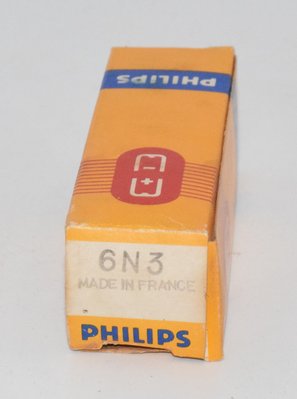
The 6N3 is a medium-mu triode vacuum tube that occupies an important niche in both vintage and contemporary audio equipment design. Developed during the mid-20th century, the 6N3 emerged from Soviet tube manufacturing traditions and has become particularly valued in high-fidelity audio applications. The designation "6N" indicates Soviet tube nomenclature, where the "6" references the heater voltage (6.3V AC), and the "N" denotes a triode configuration.
While the 6N3 is less ubiquitous than some of its contemporaries like the 12AX7 or ECC83, it has developed a devoted following among audio enthusiasts and professional equipment designers. The tube gained particular prominence during the 1960s-1980s in Eastern European audio manufacturing, where it became a staple in quality preamplifiers and integrated amplifiers. Today, the 6N3 remains sought after by vintage audio restorers and modern tube amplifier designers who appreciate its unique sonic characteristics.
2. Technical Specifications and Design
Physical and Electrical Characteristics
The 6N3 is a dual-triode vacuum tube housed in a 9-pin miniature envelope (Noval base), measuring approximately 26mm in height and 10mm in diameter. The tube features two independent triode systems within a single glass envelope, allowing for flexible circuit configurations.
Key Technical Specifications:
- Heater Voltage: 6.3V AC or DC (±10% tolerance)
- Heater Current: 0.3A per triode (0.6A total)
- Maximum Plate Voltage: 330V
- Maximum Plate Dissipation: 2.5W per triode
- Amplification Factor (μ): 20-30 (medium-mu)
- Plate Resistance (rp): Approximately 8,000 ohms
- Transconductance (gm): 2.5-3.5 mA/V
- Typical Operating Point: 250V plate voltage, 1.5mA plate current
Design Features
The 6N3 employs a medium-mu triode design, positioning it between low-mu power tubes and high-mu preamp tubes. This characteristic provides a balanced combination of voltage gain and linearity. The tube's construction features a relatively robust cathode design capable of handling moderate current levels without excessive distortion.
The internal geometry of the 6N3 emphasizes uniform electron distribution and minimal microphonic noise—critical factors for audio applications. The cathode is typically indirectly heated through a separate filament, allowing for quiet operation in sensitive preamplifier circuits. The plate and grid structures are optimized for low-distortion operation at moderate signal levels.
3. Applications and Usage
Primary Audio Applications
The 6N3 finds its primary application in high-quality audio preamplifiers and low-power integrated amplifiers. Its medium-mu characteristics make it ideal for:
- Preamplifier Stages: Phono preamps, line preamps, and microphone preamplifiers benefit from the 6N3's low noise floor and stable gain characteristics
- Driver Stages: The tube's ability to deliver moderate output impedance makes it suitable for driving power tube grids
- Tone Control Circuits: Some designs utilize the 6N3 in tone control and equalization networks
- Microphone Amplification: Professional audio equipment employs the 6N3 in microphone preamplifier designs
Circuit Configurations
The dual-triode configuration allows for various circuit topologies. Common configurations include:
- Cascode Configuration: One triode serves as the input stage while the second acts as a cascode element, improving gain and bandwidth
- Push-Pull Driver: Both triodes can be configured in push-pull arrangement for increased output capability
- Differential Pair: The two triodes can form a differential amplifier stage, offering excellent CMRR (Common Mode Rejection Ratio)
- Parallel Configuration: For increased current capability, both triodes can be paralleled
4. Sound Characteristics in Audio Applications
Tonal Profile
The 6N3 is renowned among audio enthusiasts for its warm, musical character with particular strengths in the midrange. Users consistently report the following sonic attributes:
- Midrange Clarity: The 6N3 exhibits exceptional clarity in the critical midrange frequencies (500Hz-4kHz), making vocals and acoustic instruments sound particularly natural and engaging
- Warmth and Musicality: Unlike more analytical tube types, the 6N3 imparts a subtle harmonic richness that many listeners describe as "warm" or "musical," without sacrificing detail
- Smooth High Frequencies: The treble response is smooth and refined rather than bright or aggressive, reducing listener fatigue during extended listening sessions
- Bass Response: The 6N3 provides controlled, articulate bass without excessive bloom or muddiness
Harmonic Distortion Characteristics
The 6N3's distortion profile is dominated by lower-order harmonics (primarily 2nd and 3rd), which are generally considered more musical and less fatiguing than higher-order distortion products. At typical operating levels, the tube produces approximately 1-3% THD, with the harmonic structure emphasizing even-order components that blend musically with the fundamental signal.
Dynamic Response
The 6N3 demonstrates excellent dynamic capability within its operating envelope. The tube responds quickly to transient signals while maintaining smooth sustained notes. This characteristic makes it particularly valued in preamp applications where preserving the dynamic nuances of recorded music is paramount.
Noise and Microphonic Characteristics
Well-manufactured 6N3 tubes exhibit low noise floors suitable for sensitive audio applications. Microphonic noise—vibration-induced signal generation—is typically minimal in quality examples, though careful mechanical isolation is still recommended in high-gain preamplifier applications.
5. How the 6N3 is Used in the Audio Community
Vintage Audio Restoration
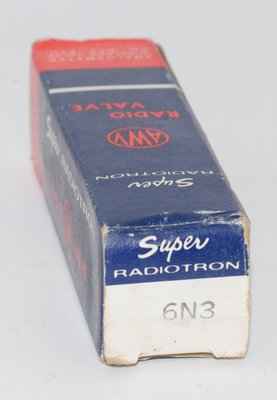
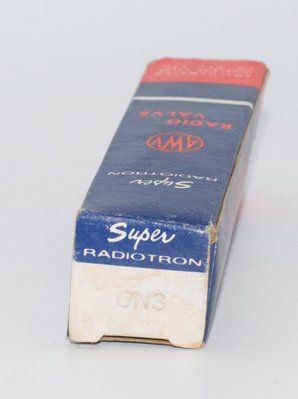
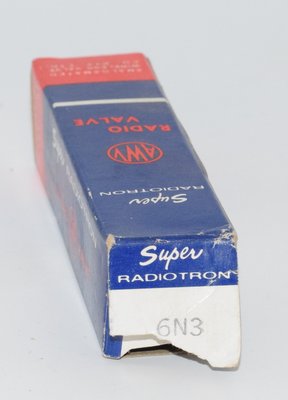
The audio restoration community values the 6N3 highly for its availability as a replacement tube in vintage equipment from the 1960s-1980s, particularly Soviet and Eastern European audio components. Restorers appreciate that NOS (New Old Stock) examples remain relatively obtainable compared to some rarer tube types, making restoration projects economically feasible.
Modern Tube Amplifier Design
Contemporary amplifier manufacturers, particularly boutique and custom builders, continue to specify the 6N3 in new designs. The tube's proven performance, moderate cost, and readily available supply make it an attractive choice for small-batch and handcrafted amplifier production. Many modern audiophile preamplifier designs incorporate 6N3 tubes specifically for their sonic characteristics.
DIY Audio Community
The DIY audio enthusiast community has embraced the 6N3 as a cornerstone tube for homebrew projects. Its straightforward operating requirements, dual-triode configuration, and forgiving nature make it ideal for first-time tube circuit builders. Numerous published schematics and design resources exist for 6N3-based projects ranging from simple preamps to complex integrated amplifiers.
Professional Audio Applications
Recording studios and mastering facilities occasionally incorporate 6N3-based equipment in signal chains, valuing the tube's transparent yet musical character for critical listening and recording tasks. Some professional microphone preamplifiers and summing amplifiers feature the 6N3 as part of their signal path.
Tube Rolling and Experimentation
The 6N3 has become a popular choice among tube rolling enthusiasts—audio hobbyists who experiment with different tube brands and examples to optimize amplifier sound. The relatively modest cost of 6N3 tubes compared to some alternatives makes experimentation economically feasible. Different manufacturing sources (Soviet, Chinese, European) produce subtly different sonic characteristics, providing rich ground for subjective evaluation.
Collector and Enthusiast Market
Vintage audio collectors actively seek NOS (New Old Stock) 6N3 tubes, particularly examples from respected Soviet manufacturers like Svetlana, Mullard, and Telefunken-licensed production. Rare variants and tubes with interesting historical provenance command premium prices in the collector market.
6. Equivalent or Substitute Types
Direct Equivalents
- 6N3P/6N3P-EV: Russian variants with slightly different construction but nearly identical performance
- ECC82 (12AU7 equivalent in some configurations): While not identical, some designers substitute ECC82 tubes in 6N3 circuits, though with modified operating points
Similar Functional Alternatives
- 12AU7: An American medium-mu triode with similar amplification factor, though different heater requirements (12.6V vs 6.3V)
- EL84: For driver stage applications, though with different characteristics
- 6N6P: A higher-mu variant offering greater voltage gain
Important Substitution Notes
While the 6N3 may be substituted in some circuits designed for similar medium-mu triodes, direct pin-for-pin replacement should not be assumed. Heater voltage requirements, operating points, and circuit impedances must be carefully evaluated. Modification of bias resistors and possibly plate load resistances may be necessary when substituting alternative tube types.
7. Notable Characteristics
- Dual Triode Configuration: The two independent triodes in a single envelope provide design flexibility and space efficiency
- Medium-Mu Design: Balanced gain and linearity characteristics suit both voltage amplification and driver applications
- Low Noise Operation: The 6N3 is inherently quiet, making it suitable for sensitive audio applications
- Robust Construction: The tube's design allows for reliable operation across a wide range of operating conditions
- Warm Sonic Character: Widely praised for musical midrange presentation and smooth frequency response
- Availability: Reasonably available in both NOS and current production forms, making it practical for restoration and new designs
- Cost-Effectiveness: Moderate pricing compared to premium tube types makes it accessible for various projects
- Historical Significance: Represents an important chapter in Soviet audio tube development and Eastern European audio engineering
Conclusion
The 6N3 vacuum tube represents a remarkable convergence of technical capability and sonic character. Its medium-mu triode design provides the flexibility needed for diverse audio applications, while its inherent sonic qualities—warmth, clarity, and musicality—have earned it a devoted following among audio professionals and enthusiasts. Whether employed in vintage equipment restoration, modern amplifier design, or DIY audio projects, the 6N3 continues to demonstrate why certain vacuum tubes achieve enduring status in the audio community. For those seeking a reliable, musically engaging tube suitable for preamp and driver applications, the 6N3 remains an excellent choice.