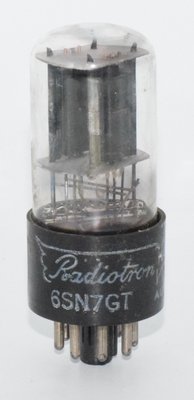
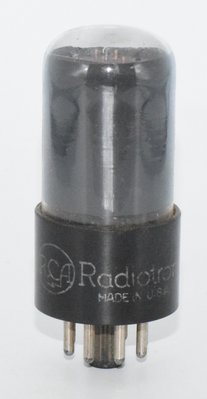
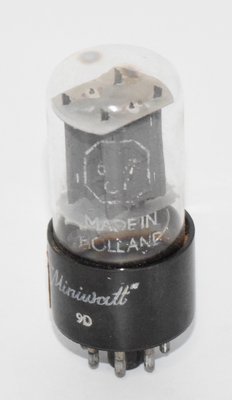
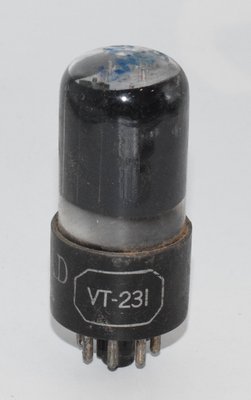
1. Introduction and History
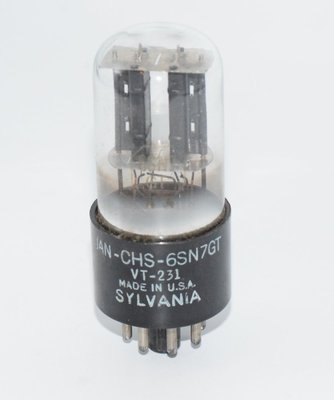
The 6SN7GTB is a dual-triode vacuum tube that has become legendary in audio engineering circles, particularly among audiophiles and professional audio technicians. Originally developed during the mid-20th century, the 6SN7GTB represents one of the most robust and sonically desirable tube designs ever created.
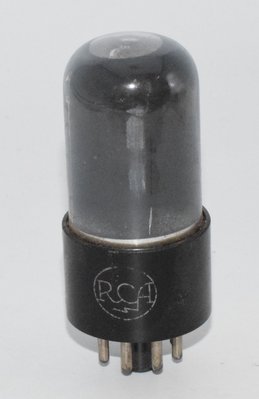
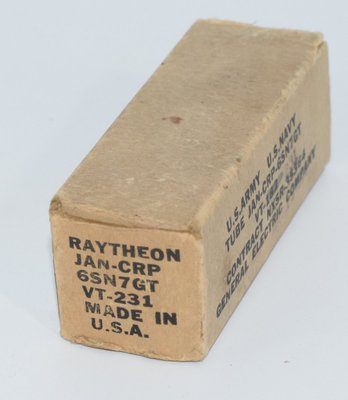
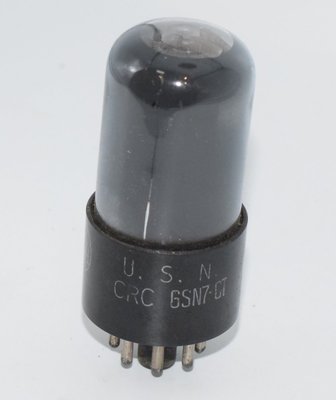
The "6SN7" designation was introduced by RCA in the 1940s as a medium-mu dual triode designed for use in audio output stages and driver circuits. The "GTB" suffix indicates the glass envelope type and the specific internal construction. The tube gained prominence in professional broadcast equipment, high-end audio amplifiers, and military applications where reliability and sonic performance were paramount.
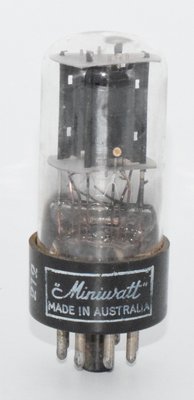
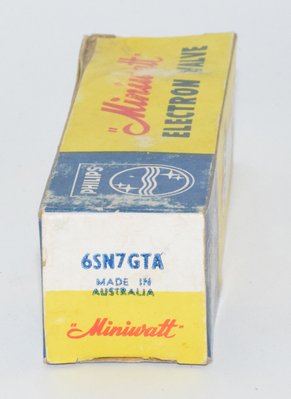
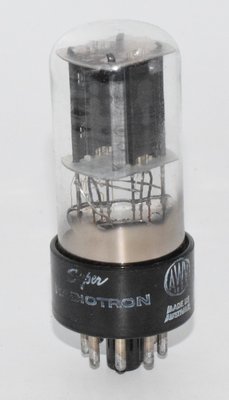
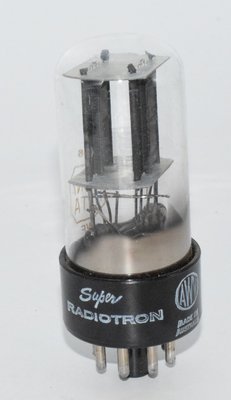
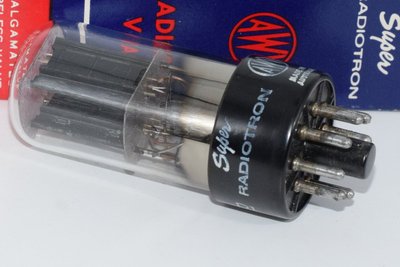
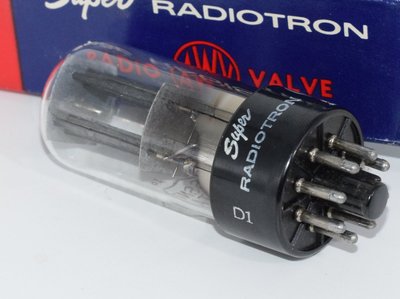
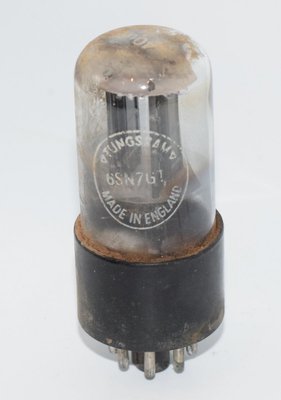
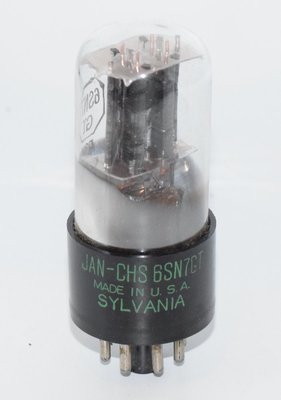
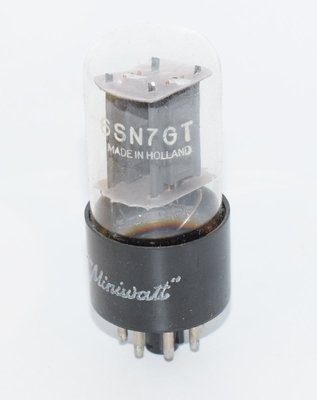
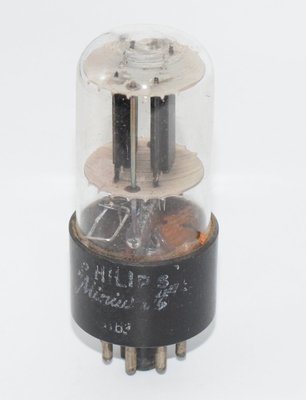
The Miniwatt USA variant represents a particularly sought-after version, manufactured with meticulous quality control standards that made American-made 6SN7GTB tubes highly valued by audio professionals. These tubes have experienced a renaissance in recent years due to the resurgence of tube-based audio equipment and the growing appreciation for analog sound reproduction.
2. Technical Specifications and Design
Basic Electrical Specifications
| Parameter | Specification |
|---|---|
| Tube Type | Dual Triode, Medium-Mu |
| Filament Voltage | 6.3V AC/DC |
| Filament Current | 0.9A per triode (1.8A total) |
| Maximum Plate Voltage | 330V DC |
| Maximum Plate Dissipation | 3.5W per triode |
| Amplification Factor (μ) | 20 (medium-mu) |
| Plate Resistance (rp) | 1,600 ohms |
| Transconductance (gm) | 12,500 micromhos (12.5 mS) |
| Grid-to-Plate Capacitance | 1.3 pF |
| Maximum Grid Bias | -67.5V |
Physical Design and Construction
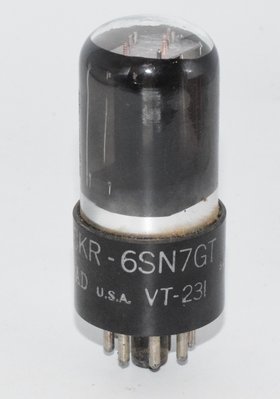
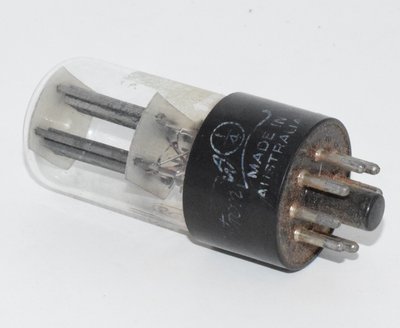
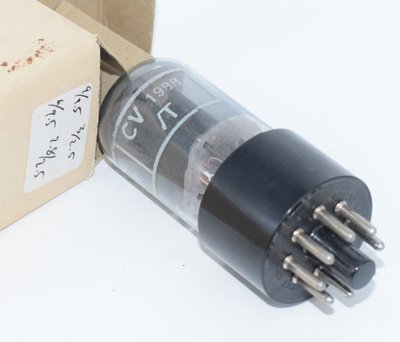
The 6SN7GTB features a robust octal (8-pin) base configuration with the following pin assignment:
- Pin 1: Plate (Triode #1)
- Pin 2: Grid (Triode #1)
- Pin 3: Cathode (Common)
- Pin 4: Filament
- Pin 5: Filament
- Pin 6: Plate (Triode #2)
- Pin 7: Grid (Triode #2)
- Pin 8: Not Used (No Connection)
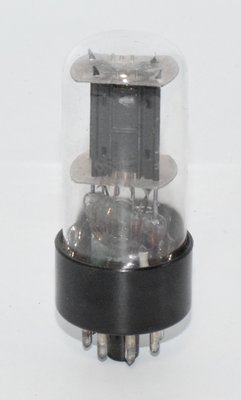
The tube's internal construction employs a single cathode shared by both triode sections, allowing for flexible configuration options. The glass envelope is of sturdy construction, typically featuring a "GT" (Tubular Glass) design that provides excellent heat dissipation and mechanical strength. The filament is a thoriated tungsten design, known for excellent longevity and stable emission characteristics.
Operating Characteristics
The 6SN7GTB is classified as a medium-mu triode with an amplification factor of approximately 20. This moderate gain factor makes it ideal for:
- Output driver stages in power amplifiers
- Line-level preamp stages requiring moderate gain
- Phase inverter circuits in push-pull amplifier designs
- Balanced audio driver applications
The tube exhibits excellent linearity over its operating range and demonstrates low distortion characteristics when properly biased. The relatively low plate resistance (1,600 ohms) and high transconductance provide good impedance matching to subsequent stages and allow for excellent frequency response.
3. Sound Characteristics
Sonic Profile and Tonal Characteristics
The 6SN7GTB has earned an exceptional reputation in the audio community for its distinctive sonic characteristics. Users consistently report:
Midrange Presence: The 6SN7GTB is renowned for a rich, full-bodied midrange presentation. Vocals and instruments in the midrange frequencies exhibit remarkable clarity and presence without excessive coloration. This characteristic has made it a favorite in microphone preamplifiers and mixing console designs.
Bass Response: The tube delivers tight, well-defined bass with excellent transient response. The low plate resistance contributes to good damping factor characteristics, resulting in controlled bass reproduction without bloat or muddiness. Many users describe the bass as "articulate" and "punchy."
Treble Characteristics: The treble response is smooth and refined, with natural extension without harshness or excessive sibilance. The low inter-electrode capacitances contribute to excellent high-frequency performance with minimal phase distortion.
Harmonic Structure: The 6SN7GTB produces primarily even-order harmonic distortion, which is perceived as musically pleasant and transparent. The distortion products integrate naturally with the fundamental signal, adding warmth and dimensionality rather than harshness.
Transient Response: The tube exhibits excellent transient handling, with fast attack and precise decay characteristics. This makes it particularly effective in capturing the dynamic nuances of live instruments and vocals.
Factors Affecting Sound Quality
Several factors influence the sonic performance of 6SN7GTB tubes:
- Manufacturing Origin: American-made tubes (particularly Miniwatt and RCA) are generally considered superior to later overseas production, with better build quality and more consistent performance.
- Age and Condition: NOS (New Old Stock) tubes typically exhibit the best performance, while used tubes may show degradation in emission characteristics.
- Bias Point: Proper biasing is critical; tubes biased too cold sound thin and harsh, while over-biased tubes can sound compressed and fatiguing.
- Circuit Design: The quality of the surrounding circuit components significantly impacts the tube's sonic contribution. Proper power supply regulation and coupling capacitor selection are essential.
4. Applications and Usage in the Audio Community
Professional Audio Applications
The 6SN7GTB has maintained a strong presence in professional audio for decades:
Microphone Preamplifiers: The tube is extensively used in high-end microphone preamps, where its rich midrange and low distortion characteristics enhance vocal and instrument recordings. Legendary console designs from Neve, SSL, and other manufacturers incorporated 6SN7GTB tubes in their signal paths.
Mixing Consoles: Professional mixing consoles, particularly vintage designs valued in mastering studios, frequently employ 6SN7GTB tubes in line amplifier and output driver stages.
Mastering Equipment: The tube's transparent sonic character and excellent frequency response make it ideal for mastering applications where accuracy and musicality are equally important.
High-End Audio Applications
The audiophile community has embraced the 6SN7GTB enthusiastically:
Tube Preamplifiers: Many high-end preamp designs utilize 6SN7GTB tubes for their output buffer stages, providing low-impedance outputs with exceptional sonic performance. Manufacturers like Audio Research, Cary Audio, and others have built reputations on designs incorporating this tube.
Power Amplifier Drivers: The tube serves as an ideal phase inverter and driver for push-pull power amplifier stages, particularly in SET (Single-Ended Triode) and Class A amplifier designs.
Integrated Amplifiers: High-quality integrated amplifiers often employ 6SN7GTB tubes in their preamp sections, combining convenience with exceptional sonic performance.
DIY and Hobbyist Applications
The 6SN7GTB remains popular among audio enthusiasts and DIY amplifier builders due to:
- Excellent documentation and schematic availability
- Straightforward biasing and operating requirements
- Availability of quality specimens from vintage stock
- Strong community support and design resources
- Proven sonic performance in numerous published designs
Current Market Status
The 6SN7GTB remains highly sought-after in today's market. Prices for NOS American-made specimens have increased significantly due to limited supply and sustained demand. Current uses include:
- Restoration of vintage audio equipment
- Construction of modern tube audio designs
- Replacement in professional studio equipment
- Collection by tube enthusiasts and audio historians
5. Equivalent or Substitute Types
Direct Equivalents
6SN7GT: The original version without the "B" suffix. Functionally identical to the GTB, with slightly different internal construction. The GT version is often considered more sonically refined by some enthusiasts, though differences are subtle.
6SN7: The earliest version, featuring different internal geometry. Some users report a slightly different sonic character, often described as warmer but potentially less transparent.
Functional Alternatives
5687WB: A military-spec dual triode with similar electrical characteristics. Often considered slightly more transparent but with less pronounced midrange presence.
6N7GT: A Soviet equivalent with comparable specifications. Generally considered slightly warmer with different harmonic characteristics.
ECC33: A European dual triode that can function as a substitute in some applications, though with different electrical characteristics and sonic properties.
Substitution Guidelines
When considering substitutes, ensure:
- Filament voltage compatibility (6.3V)
- Similar plate dissipation ratings
- Comparable transconductance and amplification factor
- Adequate plate voltage rating
- Proper mechanical fit in the socket
- Verification in the specific application circuit
Note: Direct substitution is not always recommended, as sonic characteristics and electrical behavior may differ significantly.
6. Notable Characteristics
Reliability and Longevity
The 6SN7GTB is renowned for exceptional reliability. Well-maintained specimens regularly exceed 10,000+ hours of operation. Contributing factors include:
- Robust construction with oversized internal components
- Excellent thermal design allowing efficient heat dissipation
- Conservative operating parameters providing design margin
- High-quality materials in original manufacture
Availability and Pricing
NOS 6SN7GTB tubes command premium prices in the current market, with American-made Miniwatt and RCA specimens particularly valued. Prices typically range from $150-$400+ per tube for quality NOS examples, reflecting their desirability and scarcity.
Identification and Authentication
Genuine 6SN7GTB tubes can be identified by:
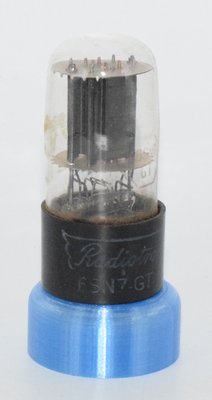
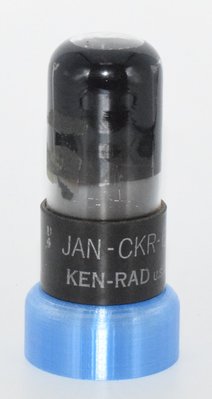
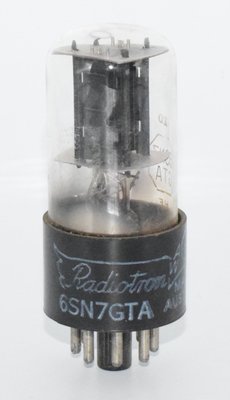
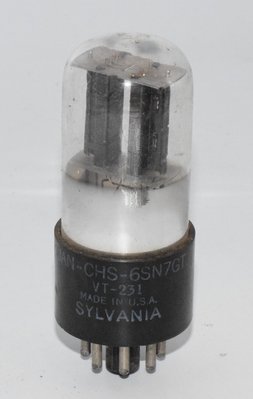
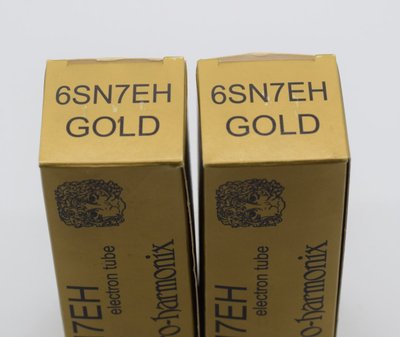
- Manufacturer markings (RCA, Miniwatt, Sylvania, etc.)
- Date codes indicating manufacturing period
- Physical construction details specific to era and manufacturer
- Electrical testing confirming specifications
Counterfeit and misidentified tubes are occasionally encountered in the market. Purchasing from reputable dealers with testing facilities is recommended.
Maintenance and Handling
Proper care extends tube life:
- Avoid mechanical shock and vibration
- Maintain proper operating bias points
- Ensure adequate power supply regulation
- Prevent excessive heat accumulation
- Store in cool, dry conditions when not in use
- Use tube dampers to minimize microphony
Testing and Measurement
Comprehensive tube testing should measure:
- Transconductance (gm) for emission capability
- Plate current under specified bias conditions
- Grid-to-plate leakage
- Cathode-to-heater leakage
- Mutual conductance balance between triode sections
- Frequency response characteristics
Conclusion
The 6SN7GTB stands as one of the most accomplished and enduring vacuum tube designs in audio history. Its combination of excellent electrical characteristics, robust construction, and exceptional sonic qualities has ensured its continued relevance in both professional and audiophile applications. Whether used in vintage equipment restoration or modern high-end audio designs, the 6SN7GTB continues to deliver the warmth, clarity, and musicality that define tube-based audio reproduction.
The Miniwatt USA variant represents the pinnacle of 6SN7GTB production, embodying the quality standards and manufacturing excellence of mid-century American tube production. For audio professionals and enthusiasts seeking the finest in tube-based amplification, the 6SN7GTB remains an uncompromising choice that justifies its esteemed position in audio engineering.