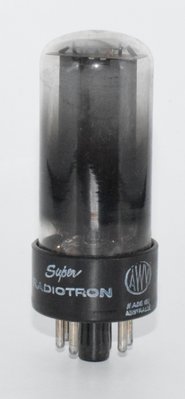
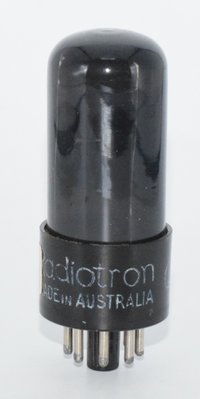
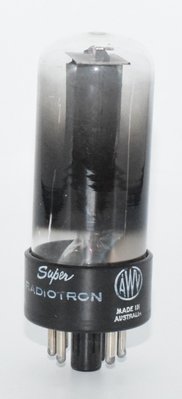
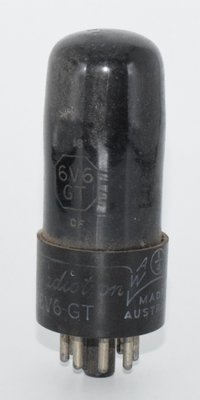
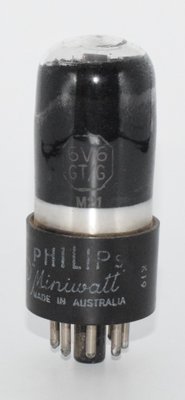
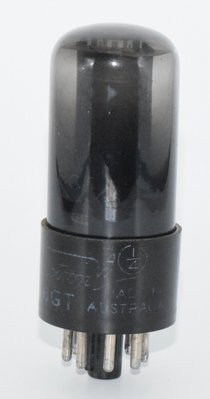
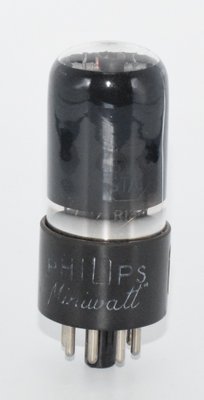
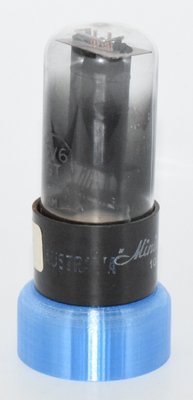
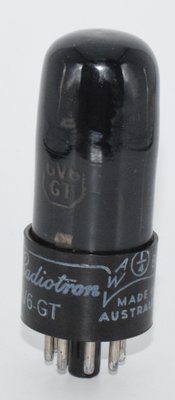
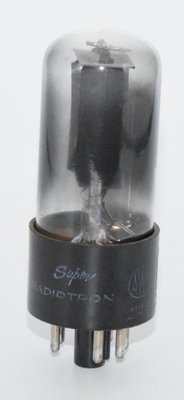
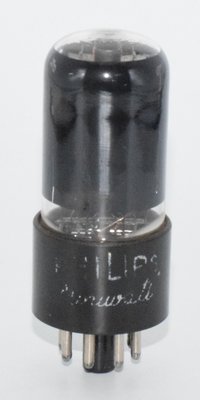
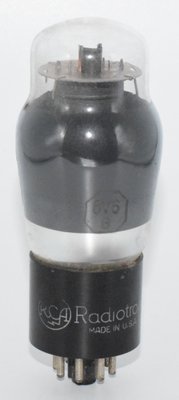
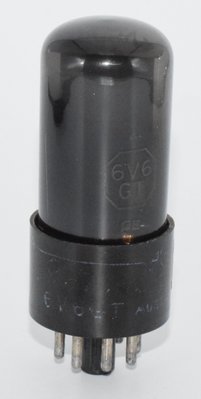
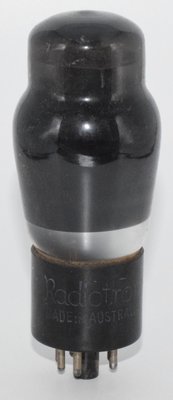
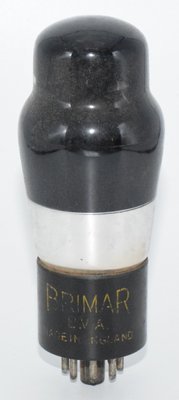
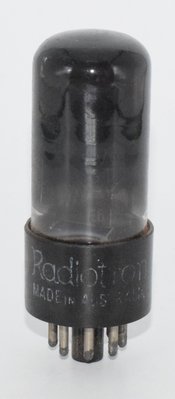
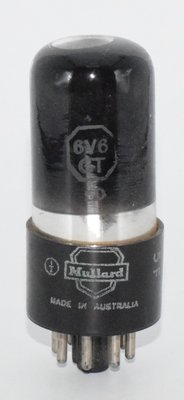
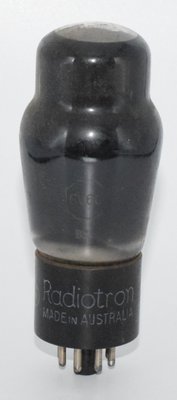
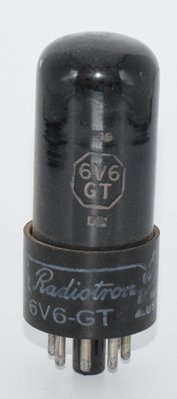
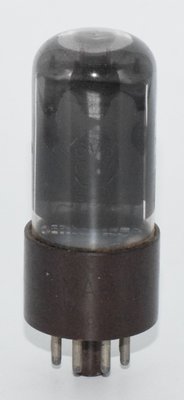
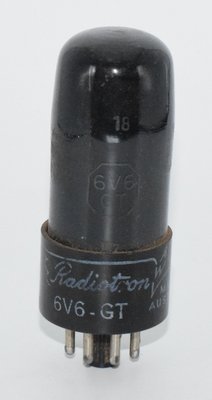
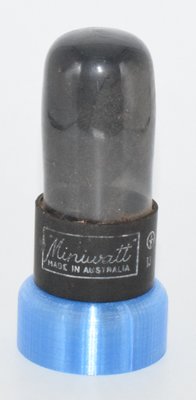
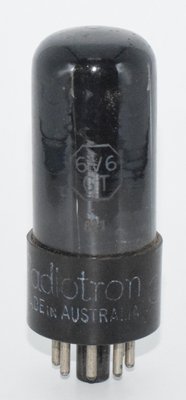
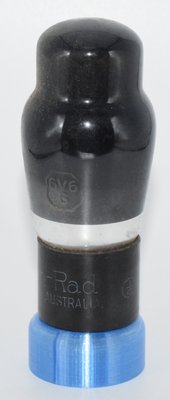
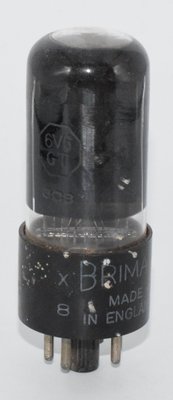
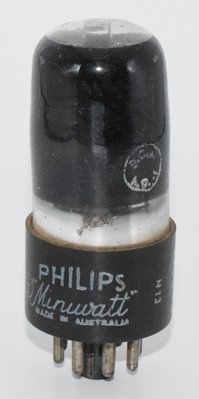
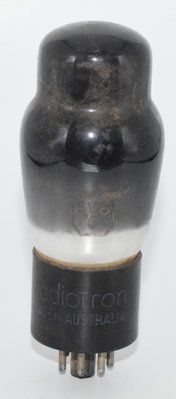
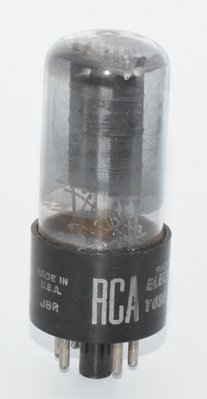
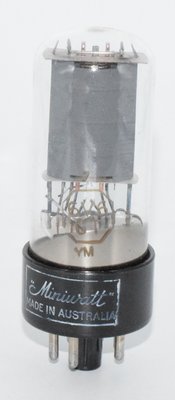
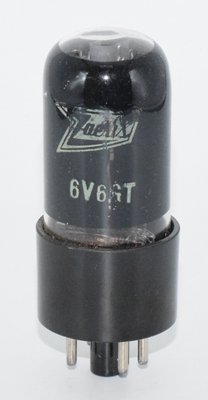
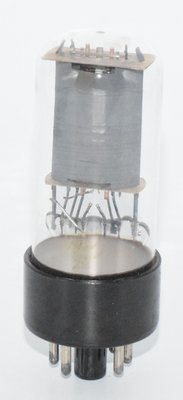
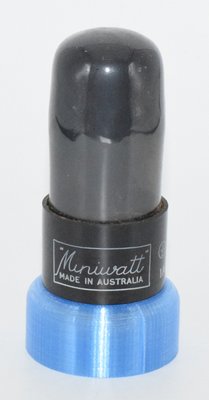
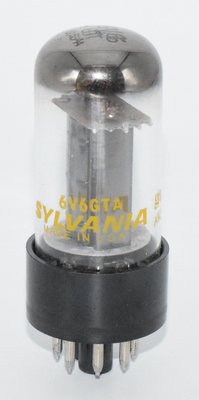
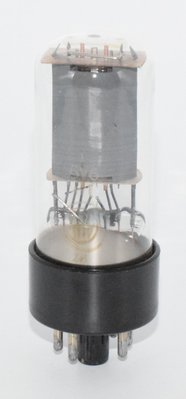
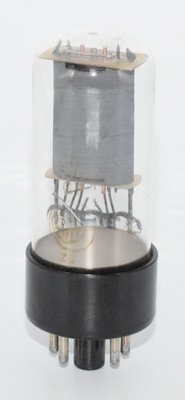
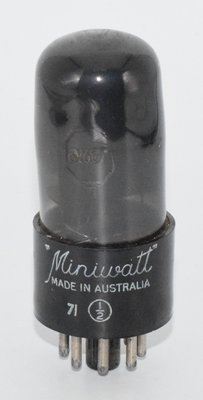
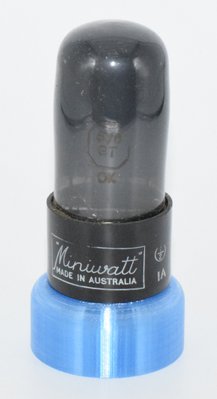
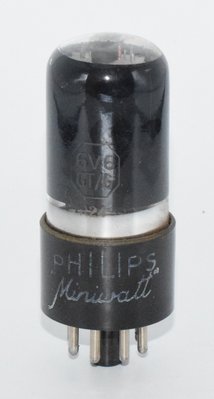
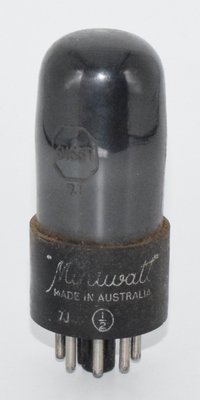
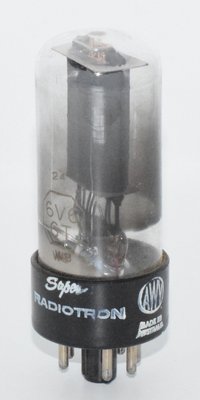
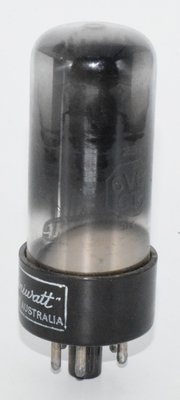
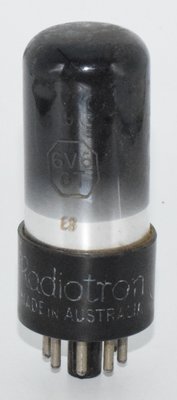
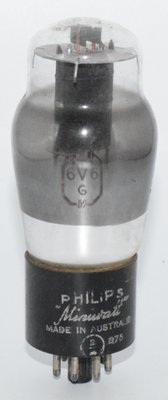
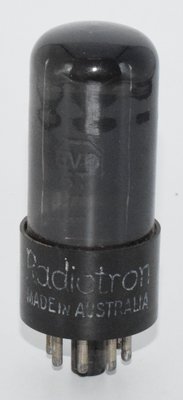
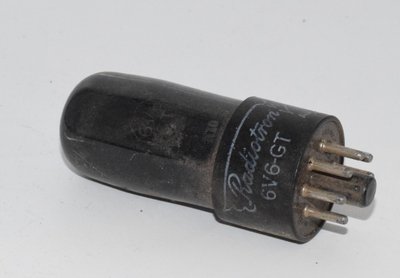
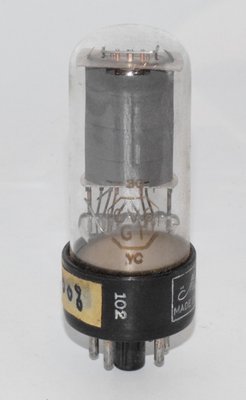
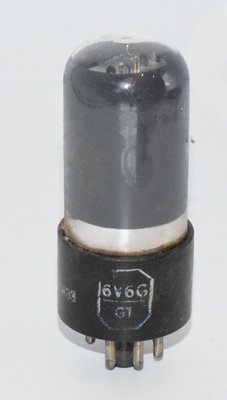
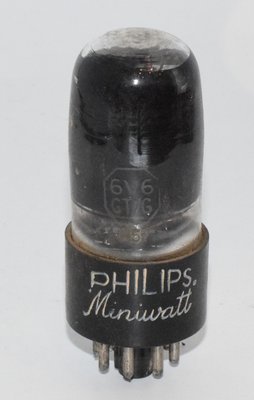
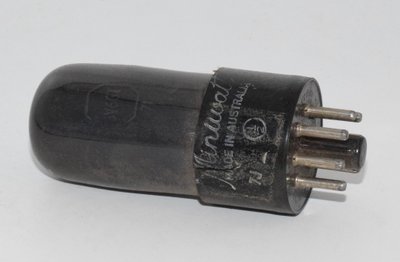
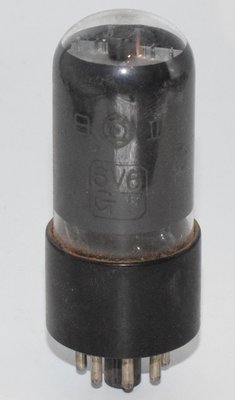
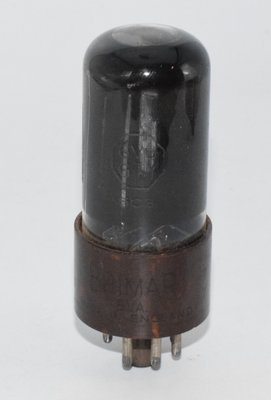
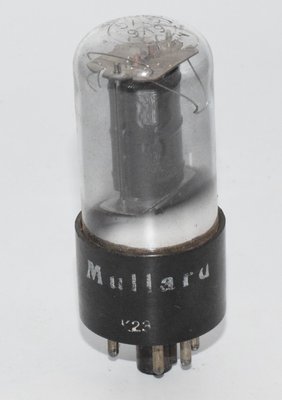
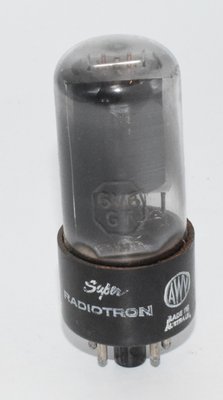
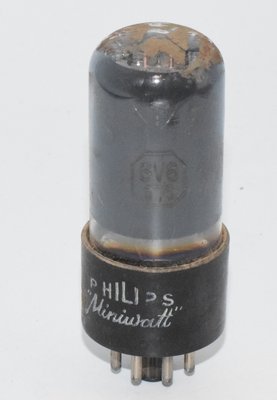
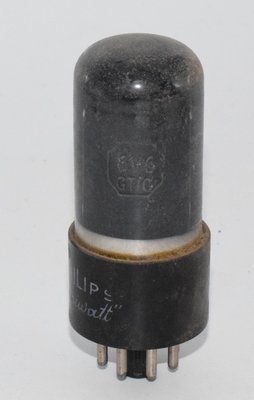
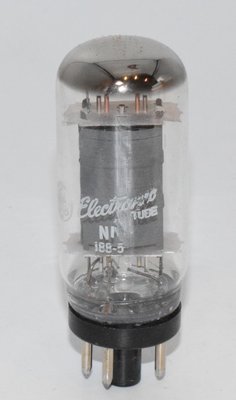
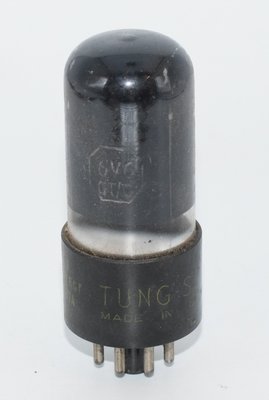
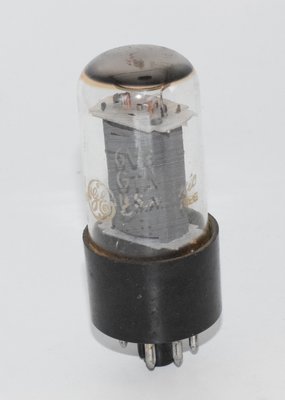
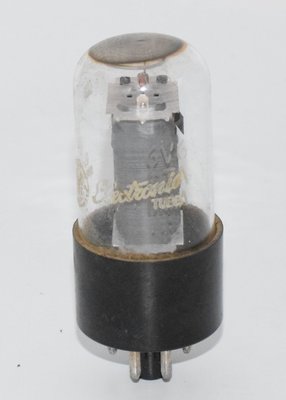
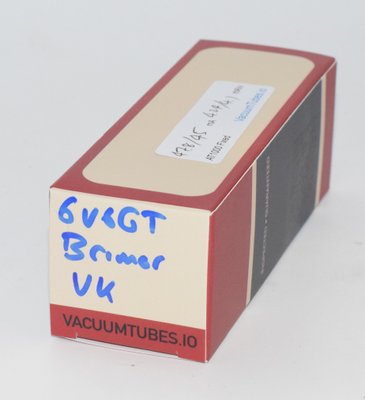
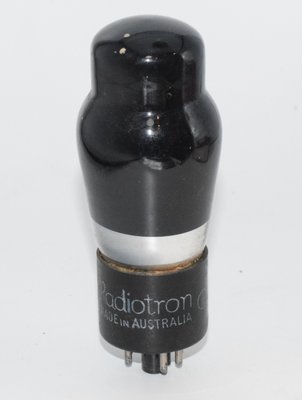
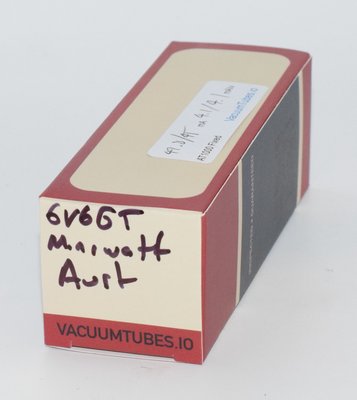
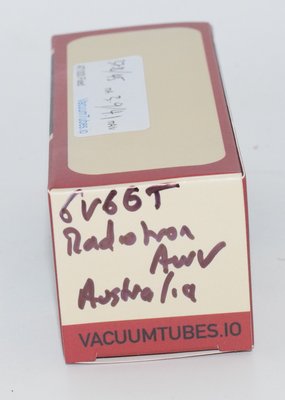
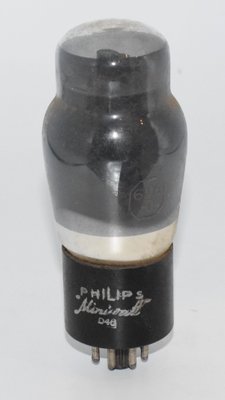
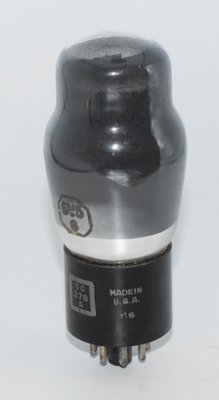
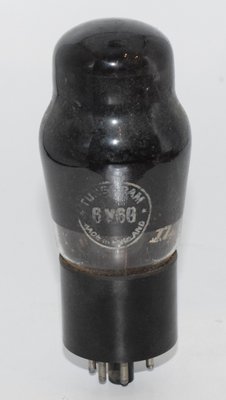
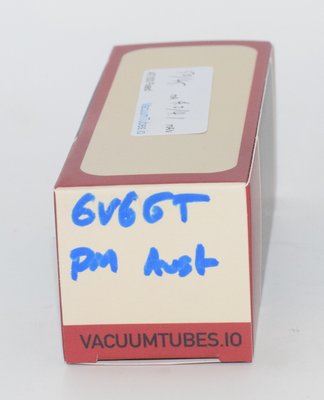
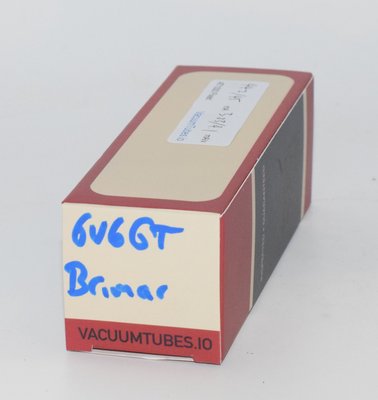
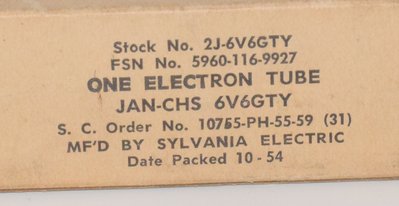
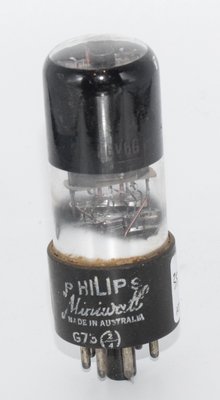
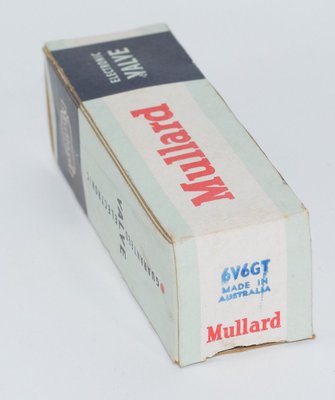
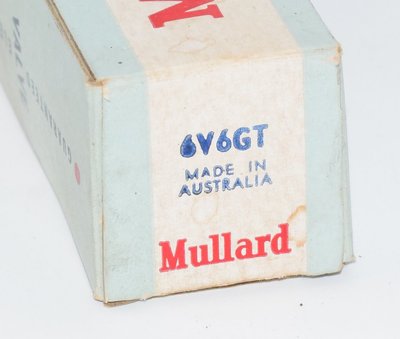
The 6V6GTY is a compact power amplifier vacuum tube that has earned a respected place in audio history. This article provides a comprehensive examination of its technical specifications, design characteristics, audio applications, and role in the vintage tube community.
1. Introduction and History
The 6V6 family of vacuum tubes represents a significant development in audio amplification technology. The 6V6GTY variant, introduced in the 1950s, became one of the most widely manufactured and distributed power tubes of its era. The "GT" designation indicates a "glass tubular" design, while the "Y" suffix typically denotes a specific manufacturing variant or military specification.
The 6V6GTY was developed during a period of rapid expansion in consumer electronics, particularly in radio and early television technology. Manufacturers like Sylvania, RCA, Mullard, and Telefunken produced millions of these tubes throughout the 1950s and 1960s. The tube's popularity stemmed from its excellent combination of affordability, reliability, and performance characteristics that made it ideal for both consumer and professional applications.
The tube's design philosophy reflected post-World War II manufacturing advances, incorporating improved materials and construction techniques that enhanced longevity and consistency. The 6V6GTY became a standard component in countless guitar amplifiers, radio receivers, and small audio systems, establishing a legacy that continues to influence audio design today.
2. Technical Specifications and Design
Basic Electrical Specifications
- Tube Type: Power Amplifier / Output Pentode
- Heater Voltage: 6.3V AC/DC
- Heater Current: 0.45A
- Maximum Plate Voltage: 550V
- Maximum Screen Voltage: 330V
- Typical Plate Dissipation: 14W
- Output Power (Class A): 2.5W per tube (approximately 5W for push-pull pair)
- Output Power (Class AB): 3.5W per tube (approximately 7W for push-pull pair)
Physical Design
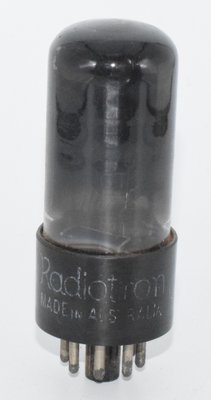
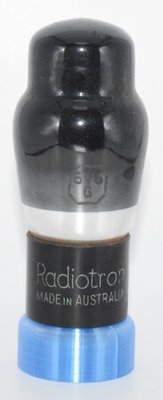
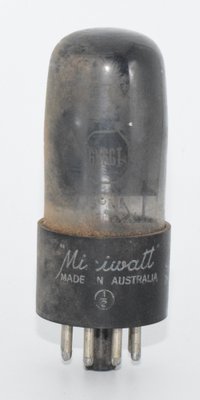
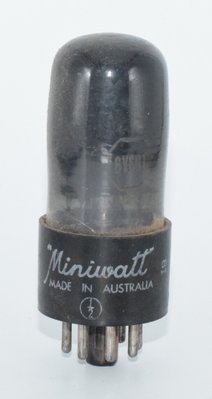
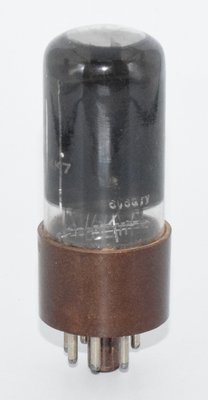
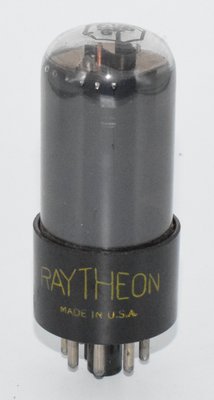
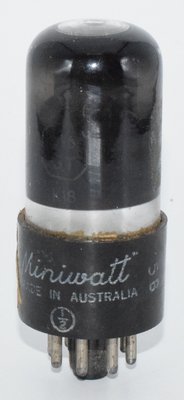
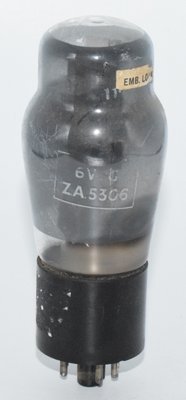
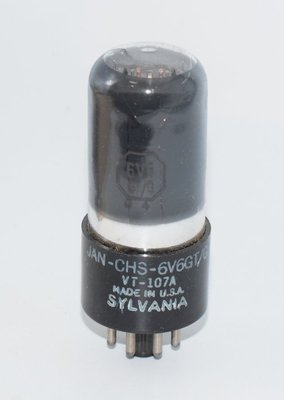
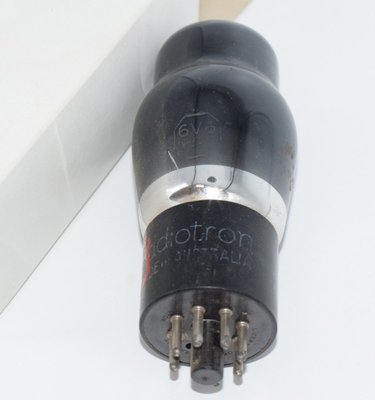
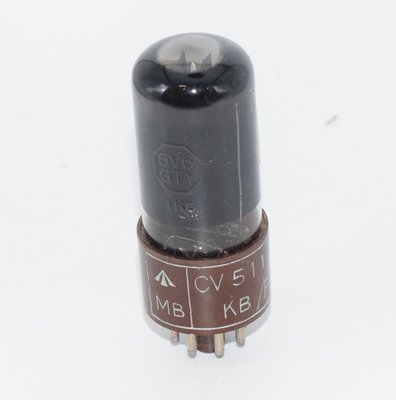
The 6V6GTY features a glass envelope with a standard octal (8-pin) base. The tube measures approximately 2.75 inches (7 cm) in height and 1 inch (2.5 cm) in diameter, making it one of the more compact power tubes. This small form factor contributed significantly to its popularity in portable and space-constrained applications.
The internal construction utilizes a pentode configuration with five active elements: a cathode, control grid, screen grid, suppressor grid, and plate. This five-element design provides superior linearity and efficiency compared to simpler triode or tetrode designs. The suppressor grid is internally connected to the cathode, simplifying the external circuit requirements.
Operating Parameters
The 6V6GTY operates optimally in the following ranges:
- Plate Voltage: 300-550V (typical operating point around 330-400V)
- Screen Voltage: 200-330V (typically 1/2 to 2/3 of plate voltage)
- Grid Bias: -14 to -20V (negative bias for Class A/AB operation)
- Plate Current: 50-80mA at idle (Class A)
- Screen Current: 8-12mA at idle
The tube demonstrates excellent linearity across its operating range, with low distortion at moderate output levels. Frequency response extends from below 20Hz to well beyond 20kHz, making it suitable for full-range audio applications.
3. Applications and Usage
Historical Applications
The 6V6GTY found widespread use in multiple consumer and professional applications during its heyday:
- Radio Receivers: AM/FM receivers used the 6V6GTY as an output tube for audio amplification
- Television Sets: Early television receivers incorporated 6V6GTY tubes in audio output stages
- Portable Audio Equipment: Battery-powered and AC-powered portable radios and record players utilized this tube
- Public Address Systems: Small PA systems and commercial audio equipment employed 6V6GTY tubes
- Electronic Organs: Home and portable electronic organs used 6V6GTY tubes for amplification
Modern Audio Applications
The 6V6GTY has experienced a remarkable resurgence in the modern audio community, driven by renewed interest in vintage tube technology and boutique amplifier design:
- Guitar Amplifiers: Contemporary guitar amp manufacturers, particularly those focused on low-wattage designs, frequently employ 6V6GTY tubes. These amplifiers typically deliver 5-15W, making them ideal for bedroom practice and studio recording. Brands like Fender have incorporated 6V6GTY tubes in reissued classic designs.
- Audiophile Amplifiers: High-end audio enthusiasts appreciate 6V6GTY tubes in single-ended triode (SET) and push-pull configurations. The tube's warm, musical character and relatively low output impedance make it suitable for quality speaker systems.
- Hi-Fi Integrated Amplifiers: Contemporary tube integrated amplifiers often feature 6V6GTY output tubes, offering 8-20W of power suitable for efficient speakers and nearfield listening environments.
- Vintage Equipment Restoration: Restoration of original equipment manufactured in the 1950s-1970s frequently requires 6V6GTY replacement tubes, creating ongoing demand for quality examples.
4. Sound Characteristics of the 6V6GTY
Tonal Profile
The 6V6GTY is renowned for its warm, musical character that many audio enthusiasts describe as "smooth" and "forgiving." The tube exhibits natural compression characteristics that become more pronounced as the amplifier approaches its power limits, contributing to its appeal for musical applications.
Frequency Response and Harmonic Content
The 6V6GTY produces primarily second and third-order harmonics when driven into mild distortion, creating a pleasing, musical coloration rather than harsh, digital-sounding artifacts. This harmonic signature contributes to the tube's reputation for enhancing rather than degrading musical signals.
In the bass region, the 6V6GTY delivers tight, controlled response with good definition. The midrange is typically described as warm and present, with excellent vocal reproduction. High-frequency response is smooth without excessive brightness or harshness, even in modest amplifier designs.
Distortion Characteristics
At low signal levels, the 6V6GTY maintains excellent linearity with distortion typically below 1% THD. As output approaches maximum, harmonic distortion increases gradually and musically. This progressive breakup characteristic makes the tube particularly appealing for guitar amplification, where the musician can control gain and distortion through playing dynamics and volume control.
Dynamics and Attack
The 6V6GTY responds quickly to transient signals, providing good attack definition for percussive instruments and acoustic guitar. The tube's output impedance characteristics contribute to natural damping with most speaker loads, resulting in controlled, articulate bass response.
5. Use in the Audio Community
Guitar Amplifier Culture
The 6V6GTY occupies a special niche in the guitar amplifier world. Low-wattage amplifiers featuring 6V6GTY tubes have become extremely popular among professional musicians, recording engineers, and enthusiasts. The tube's ability to produce musical distortion at moderate volume levels makes it ideal for achieving "cranked amp" tones at practical listening levels.
Vintage Fender Champ and Princeton amplifiers, which originally featured 6V6GTY tubes, have become highly sought-after instruments commanding premium prices. Contemporary builders like Tone King, Divided by 13, and Two-Rock have designed signature amplifiers around 6V6GTY output tubes, validating the tube's continued relevance.
Audiophile Community
High-end audio enthusiasts appreciate the 6V6GTY for its musical qualities and suitability for efficient speaker systems. Single-ended amplifiers featuring a single 6V6GTY tube can deliver 2-3W of output, sufficient for speakers with sensitivity ratings above 92dB. Push-pull designs using a pair of 6V6GTY tubes provide 5-7W with lower distortion and better damping factor.
The tube's compact size and modest power requirements make it suitable for desktop amplifiers and nearfield listening environments that have become increasingly popular in modern audio systems.
Vintage Equipment Restoration
The restoration community values the 6V6GTY for its availability, relative affordability, and straightforward specifications. Restorers appreciate that quality examples from reputable manufacturers remain accessible, making it possible to restore original equipment to specification without prohibitive expense.
DIY and Hobbyist Culture
Amateur tube amplifier designers frequently choose the 6V6GTY for first projects due to its moderate voltage requirements, reasonable power output, and well-documented operating parameters. Numerous published amplifier designs and kits feature 6V6GTY tubes, making it an ideal learning platform for those new to tube amplifier design.
6. Equivalent or Substitute Types
Direct Equivalents
- 6V6G: Identical specifications, earlier glass tubular design variant
- 6V6GT: Earlier GT variant with identical electrical characteristics
- 6V6: Original straight-sided design with same specifications
Functional Alternatives
- EL84: European equivalent with similar power output (5W) and warm character, though with different socket and slightly different electrical characteristics
- 6L6: Larger power tube with approximately double the output power, not a direct substitute but sometimes used in modified amplifiers
- 5881: Similar power output with more extended frequency response, sometimes preferred in high-fidelity applications
- KT66: British equivalent with similar characteristics and power output, offering slightly different sonic characteristics
Important Considerations for Substitution
While electrical specifications may appear similar, direct substitution of different tube types requires careful consideration of amplifier design. Grid bias, screen voltage, and output transformer impedance matching all affect performance. Substituting tubes of significantly different power ratings can result in improper biasing, reduced amplifier lifespan, or transformer damage. Consultation with amplifier design specifications is essential before attempting tube substitution.
7. Notable Characteristics
Reliability and Longevity
The 6V6GTY demonstrates exceptional reliability when operated within specification. Many examples manufactured in the 1950s remain fully functional today, testament to the robust design and quality manufacturing standards of the era. Typical tube life expectancy ranges from 5,000 to 10,000 hours under normal operating conditions.
Manufacturing Quality Variations
The quality of 6V6GTY tubes varies significantly based on manufacturer and manufacturing era. Sylvania examples from the 1950s, particularly those marked "JAN" (Joint Army-Navy specification), are highly regarded for consistency and longevity. RCA and Mullard examples are also well-respected. Later productions from various manufacturers show more variation in quality and performance.
NOS (New Old Stock) Availability
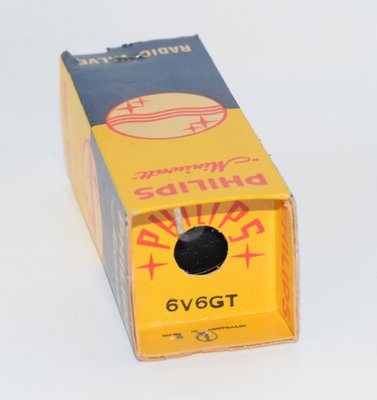
The 6V6GTY remains one of the more readily available NOS (New Old Stock) tubes, as millions were manufactured and many remain in original packaging. This availability makes it an accessible choice for restoration and new amplifier construction. However, NOS examples from premium manufacturers command higher prices reflecting their superior performance and reliability.
Acoustic Impedance Matching
The 6V6GTY's output impedance characteristics make it particularly suitable for certain speaker designs. Its moderate output impedance provides natural damping with typical dynamic loudspeakers while remaining suitable for high-impedance loads when properly matched through output transformer design.
Conclusion
The 6V6GTY represents a remarkable convergence of engineering excellence, manufacturing capability, and practical utility that has sustained its relevance across seven decades. From its original role in consumer electronics through its contemporary applications in boutique guitar amplifiers and high-end audio, the tube continues to deliver musical performance that resonates with audio enthusiasts worldwide.
Whether employed in vintage equipment restoration, contemporary amplifier design, or professional audio applications, the 6V6GTY demonstrates the enduring appeal of vacuum tube technology. Its warm, musical character, reliable operation, and straightforward design make it an ideal choice for those seeking authentic tube amplification without excessive complexity or cost.
For the audio community, the 6V6GTY represents more than a technical component—it embodies a philosophy of simplicity, musicality, and direct signal amplification that continues to influence amplifier design and audio aesthetics in the modern era.