Home > Articles > 6X5GT Vacuum Tube: Technical Specifications, Applications, and Characteristics

6X5GT Vacuum Tube: Technical Specifications, Applications, and Characteristics

Comprehensive technical guide to the 6X5GT vacuum tube rectifier: history, specifications, applications, substitutes, and notable characteristics.

1. Introduction and History

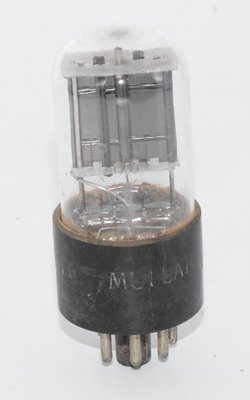
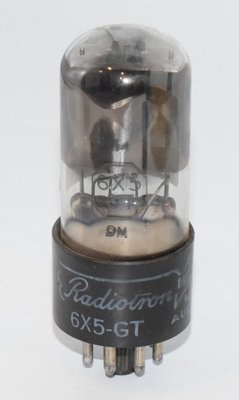
The 6X5GT is a full-wave rectifier vacuum tube (valve) that was widely used in radio receivers, amplifiers, and various electronic equipment from the 1930s through the vacuum tube era. Introduced by RCA in the mid-1930s, the 6X5GT is a compact version of the earlier 6X5 metal tube, featuring the same electrical characteristics but housed in a glass envelope (GT standing for 'Glass Tube').

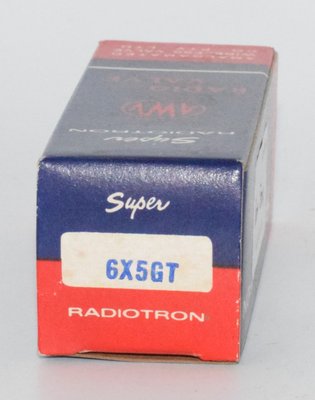
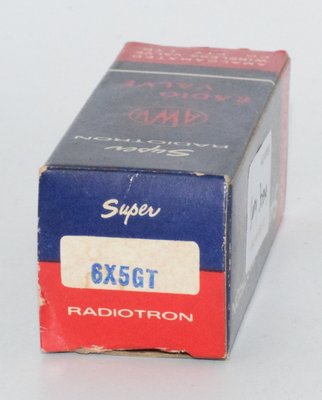
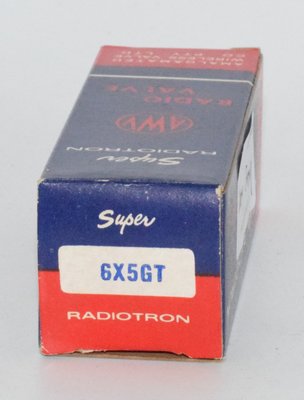
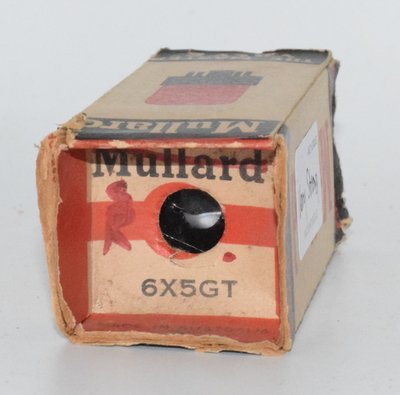
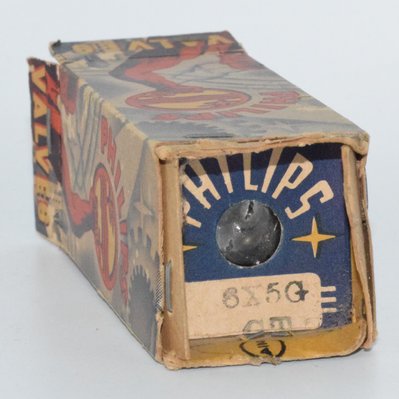
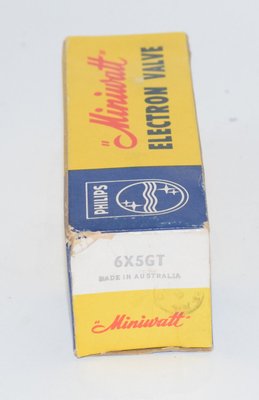
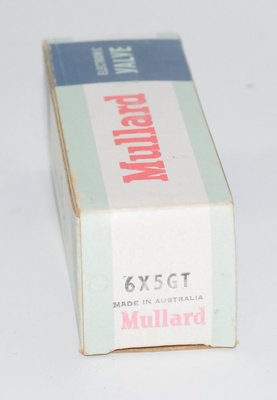
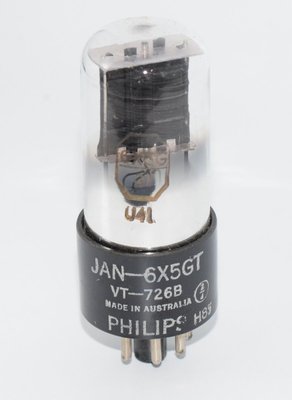
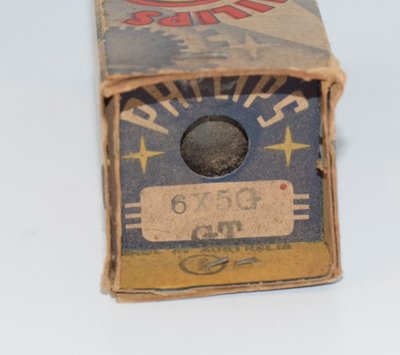
The tube gained popularity due to its reliable performance, relatively small size, and efficient rectification capabilities. It was manufactured by numerous companies worldwide, including Philips Miniwatt in Australia, which produced high-quality versions of this tube that are still sought after by audio enthusiasts and vintage equipment restorers today.

During the golden age of radio and early television, the 6X5GT became a standard component in many designs, particularly in smaller equipment where space was at a premium but where the demands of the power supply were not excessive.

2. Technical Specifications and Design

Physical Characteristics:

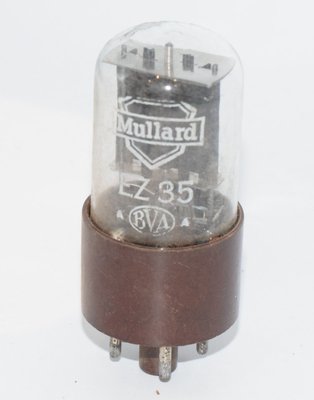
  • Envelope: Glass (GT type)
  • Base: Octal (8-pin)
  • Filament/Heater: Indirectly heated cathode
  • Height: Approximately 3-1/8 inches (79mm)
  • Diameter: Approximately 1-1/4 inches (32mm)

Electrical Parameters:

  • Heater Voltage: 6.3V
  • Heater Current: 0.6A
  • Maximum AC Voltage Per Plate: 350V RMS
  • Maximum DC Output Current: 70mA
  • Peak Inverse Voltage: 1250V
  • Voltage Drop (approximate): 20V at 70mA
  • Maximum Capacitor Input Filter: 40μF

Pin Configuration (Octal base):

  • Pin 1: No connection
  • Pin 2: Heater
  • Pin 3: No connection
  • Pin 4: No connection
  • Pin 5: No connection
  • Pin 6: No connection
  • Pin 7: Heater
  • Pin 8: Cathode
  • Top cap: None
  • Plates: Connected internally to pins 3 and 5

Design Features:

The 6X5GT employs a dual-diode design with a common cathode, allowing it to function as a full-wave rectifier with a center-tapped transformer. The tube's internal construction features two separate plates (anodes) that alternately conduct on each half-cycle of the AC input, with electrons flowing to the common cathode. This design efficiently converts AC to pulsating DC, which can then be filtered to provide a smooth DC output.

A notable design characteristic is the indirect heating of the cathode, which provides electrical isolation between the heater and cathode circuits, reducing hum and allowing for more flexible circuit designs compared to directly heated rectifiers.

3. Applications and Usage

The 6X5GT found widespread use in various electronic applications:

Radio Receivers:

The tube was commonly employed in AC/DC radio receivers of the 1940s and 1950s, particularly in compact designs where its modest current capacity was sufficient. It was ideal for table radios and smaller console models.

Audio Amplifiers:

Many lower-powered audio amplifiers utilized the 6X5GT in their power supplies. It was particularly common in guitar amplifiers, phonographs, and small PA systems where current demands were moderate.

Test Equipment:

Various test instruments and laboratory equipment employed the 6X5GT for power supply rectification, appreciating its reliability and consistent performance characteristics.

Typical Circuit Configuration:

In most applications, the 6X5GT was used with a center-tapped power transformer. The center tap was connected to ground, while the two ends of the secondary winding were connected to the two plates of the tube. The cathode output would then be filtered using capacitors and possibly chokes to produce smooth DC voltage for the equipment.

Practical Considerations:

When designing with the 6X5GT, engineers had to consider its 70mA current limitation. For higher current applications, either multiple tubes were used in parallel or alternative rectifier tubes with higher ratings were selected. The tube also requires a warm-up period before drawing current, which helped protect other components in the circuit from voltage surges during power-up.

4. Equivalent or Substitute Types

Several tubes can serve as direct or near-direct replacements for the 6X5GT:

Direct Equivalents:

  • 6X5: The metal version of the 6X5GT with identical electrical characteristics
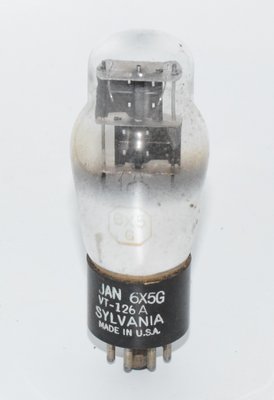
  • 6X5G: An earlier glass version with slightly larger envelope but same electrical specifications

Near Equivalents (may require minor circuit adjustments):

  • 5Y3GT: Higher current capacity (125mA) but requires a 5V heater
  • 6W4GT: Similar characteristics but designed primarily as a damper diode
  • EZ80/6V4: European equivalent with similar characteristics but different pin configuration
  • 6Z4/CV572: Similar specifications but with different pinout

Solid-State Replacements:

For maintenance of vintage equipment, solid-state replacements have been developed that fit into the same socket and provide similar electrical characteristics. These typically use silicon diodes with appropriate voltage-dropping resistors to mimic the tube's voltage drop characteristics. However, purists often avoid these replacements in audio applications as they can alter the sonic character of the equipment.

5. Notable Characteristics

Reliability:

The 6X5GT gained a reputation for exceptional reliability and longevity. When operated within specifications, these tubes often outlasted many other components in vintage equipment. The Philips Miniwatt Australia versions, in particular, are known for their robust construction and long service life.

Warm-Up Behavior:

The indirectly heated cathode design provides a beneficial delay in rectification during power-up, allowing other tubes in the circuit to warm up before full B+ voltage is applied. This characteristic helps extend the life of filter capacitors and other components.

Voltage Drop:

The 6X5GT exhibits a voltage drop of approximately 20V at rated current. This drop is higher than that of semiconductor replacements, which affects the overall B+ voltage in the circuit. This characteristic voltage drop contributes to the specific sound of tube equipment and must be accounted for when designing power supplies.

Thermal Considerations:

During operation, the 6X5GT generates significant heat. Adequate ventilation is essential in equipment using this tube, particularly in compact enclosures. The tube typically runs with a plate temperature of several hundred degrees Celsius during normal operation.

Audio Characteristics:

While primarily a rectifier rather than an audio signal tube, the 6X5GT's characteristics affect the power supply behavior, which in turn influences the sound of audio equipment. The tube's relatively slow recovery time and unique impedance characteristics contribute to what many describe as the "warm" sound of tube equipment. This is particularly noticeable in guitar amplifiers where power supply "sag" under heavy signal conditions is often considered desirable.

Collector Value:

NOS (New Old Stock) 6X5GT tubes, especially those from premium manufacturers like Philips Miniwatt Australia, have become collectible items. They are sought after by audio enthusiasts and vintage equipment restorers for both their performance characteristics and historical significance.

In conclusion, the 6X5GT represents an important piece of vacuum tube technology that played a significant role in the development of electronic equipment during the mid-20th century. Its reliable performance, compact design, and specific electrical characteristics made it a popular choice for designers, and it continues to be valued in vintage equipment restoration and by audiophiles seeking the distinctive sound of tube-based systems.