1. Introduction and History
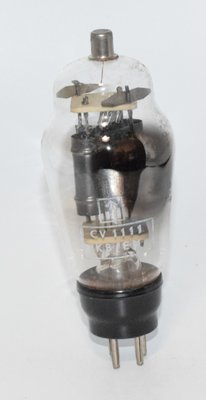
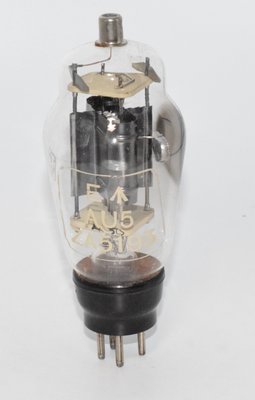
The CV1111 is a British vacuum tube designation that represents a medium-mu triode design manufactured primarily by Thorn and AEI (Associated Electrical Industries) during the mid-to-late 20th century. The "CV" prefix indicates it was a military or professional specification tube, ensuring stricter quality control and performance standards compared to commercial variants.
The CV1111 emerged during the post-World War II era when British electronics manufacturers were refining their tube portfolios for both military communications equipment and professional audio applications. Thorn and AEI were among the most respected British tube manufacturers, known for their rigorous manufacturing processes and consistent quality. The CV1111 represents a significant entry in the triode family, designed to balance gain, linearity, and thermal stability for demanding applications.
Today, NOS (New Old Stock) CV1111 tubes are highly sought after by vintage audio enthusiasts and professional audio engineers who value their sonic characteristics and reliability. The scarcity of original stock has made these tubes increasingly collectible.
2. Technical Specifications and Design
Basic Specifications
- Tube Type: Medium-Mu Triode
- Heater Voltage: 6.3V AC/DC
- Heater Current: 0.9A
- Plate Voltage (Maximum): 330V
- Plate Dissipation: 2.5W
- Amplification Factor (μ): Approximately 20
- Plate Resistance (rp): Approximately 3,000 ohms
- Transconductance (gm): Approximately 6,500 μmhos
- Grid Bias (Typical Operating): -2V to -4V
Physical Design and Construction
The CV1111 features a compact noval-style envelope (9-pin configuration) with a rugged construction characteristic of British military-specification tubes. The internal electrode structure utilizes premium materials selected for stability and longevity. The cathode is typically a thoriated tungsten design, providing excellent emission characteristics and extended operational life.
The triode configuration consists of three active elements: a directly heated cathode, a control grid, and a plate (anode). This straightforward design contributes to the tube's predictable behavior and ease of biasing. The spacing between electrodes is precisely engineered to optimize transconductance while maintaining acceptable plate resistance.
The tube's construction emphasizes mechanical robustness, with internal supports designed to withstand vibration and shock. This makes the CV1111 particularly valuable in professional and military applications where reliability is paramount. The glass envelope is typically of high-quality soda-lime composition, selected for minimal microphonics and thermal stability.
Electrical Characteristics
The CV1111's medium-mu design places it between low-mu power triodes and high-mu voltage amplification tubes. This intermediate gain characteristic makes it versatile for various circuit applications. The tube exhibits excellent linearity in the operating region, with minimal harmonic distortion when properly biased and loaded.
The plate characteristic curves show smooth, well-spaced lines indicating predictable behavior across the operating range. The tube's output impedance is moderate, making it suitable for both cathode-follower and conventional triode amplifier configurations.
3. Applications and Usage
Professional and Military Applications
The CV1111 was originally designed for professional audio and military communications equipment. Its specifications made it ideal for:
- Radio frequency amplification stages
- Intermediate frequency (IF) amplifiers
- Audio preamplifiers in professional broadcast equipment
- Military communications receivers and transmitters
- Test and measurement instrumentation
Vintage Audio Equipment
The CV1111 appears in various British-manufactured audio amplifiers, microphone preamplifiers, and mixing consoles from the 1950s through 1970s. Its presence in professional audio equipment of this era speaks to its suitability for high-fidelity applications where signal integrity and low noise were critical.
Contemporary Audio Applications
Modern audio enthusiasts employ CV1111 tubes in:
- Vintage tube amplifier restoration and maintenance
- DIY tube amplifier projects
- High-end microphone preamplifiers
- Boutique guitar amplifiers
- Custom audio equipment builds
- Studio recording equipment restoration
4. Sound Characteristics of the CV1111
Sonic Profile
The CV1111 is renowned among audio professionals for its warm, articulate sonic signature. Users consistently report a smooth, extended frequency response with particular emphasis in the midrange—a characteristic highly valued in professional audio applications. The tube exhibits excellent harmonic coherence, meaning the harmonic overtones it generates are musically pleasing rather than harsh or fatiguing.
Distortion Characteristics
When operated within its design parameters, the CV1111 produces low levels of harmonic distortion. The distortion that does occur is primarily second-order harmonic, which is generally perceived as warm and musical rather than harsh. This characteristic makes it particularly desirable for audio applications where fidelity and musicality are equally important.
Dynamics and Transient Response
The CV1111 demonstrates excellent transient response, handling dynamic peaks with minimal compression or distortion. This makes it particularly suitable for capturing the natural dynamics of acoustic instruments and vocals. The tube's relatively quick response time allows faithful reproduction of fast-attack material without slewing distortion.
Noise Floor
British-manufactured CV1111 tubes, particularly NOS examples, exhibit exceptionally low noise floors. This is attributed to careful manufacturing processes and rigorous quality control. The low noise characteristics make the CV1111 an excellent choice for sensitive audio applications such as microphone preamplifiers and phonograph amplifiers.
Frequency Response
The CV1111 delivers a relatively flat frequency response across the audio spectrum, with gentle, natural roll-off at the frequency extremes. There is no aggressive presence peak, making the tube suitable for transparent audio reproduction. Some users report a subtle emphasis in the upper midrange (3-6 kHz) that adds clarity without brightness.
5. Use in the Audio Community
Audiophile Preferences
The CV1111 holds a special place in the audiophile community, particularly among those who appreciate British tube design philosophy. Vintage audio enthusiasts actively seek NOS (New Old Stock) CV1111 tubes for restoration projects and upgrades. The tube's reputation for reliability and sonic quality has made it a benchmark for medium-mu triodes in professional audio circles.
Microphone Preamplifier Applications
Professional recording engineers frequently specify CV1111 tubes in custom microphone preamplifiers. The tube's low noise floor, excellent linearity, and warm sonic character make it ideal for capturing vocal performances and acoustic instruments. Many boutique microphone preamp manufacturers have designed circuits specifically around the CV1111's characteristics.
Guitar Amplifier Community
Although less common than in professional audio, the CV1111 appears in high-end guitar amplifiers designed for studio use and professional touring. Its warm character and musical distortion characteristics appeal to musicians seeking vintage-inspired tones with modern reliability.
Vintage Equipment Restoration
Audio restoration specialists consider the CV1111 a critical component for maintaining the sonic integrity of vintage British audio equipment. When original tubes fail, finding appropriate NOS replacements becomes essential for preserving the equipment's original character. The increasing scarcity of original stock has made CV1111 tubes valuable commodities in restoration circles.
DIY Tube Audio Community
Hobbyists and DIY audio enthusiasts frequently incorporate CV1111 tubes into custom amplifier designs. Online forums and communities dedicated to tube audio design regularly discuss the CV1111's characteristics and optimal circuit configurations. The tube's well-documented performance and availability of detailed technical data make it a popular choice for educational projects and experimental builds.
Market and Collectibility
The CV1111 has become increasingly collectible as original stock diminishes. Prices for genuine NOS Thorn and AEI examples have appreciated significantly over the past decade. The tube's historical significance, sonic reputation, and scarcity have established it as a desirable component in the vintage audio market. Collectors actively seek examples with original packaging and documentation, further increasing their value.
6. Equivalent or Substitute Types
Direct Equivalents
- ECC83/12AX7: Higher-mu equivalent; requires circuit modifications
- 12AU7: Lower-mu alternative with higher current capacity
- 6N6P: Soviet equivalent with similar specifications
- EL84: Power triode alternative for different applications
Functional Substitutes
While the CV1111 has specific characteristics, several tubes can serve as functional replacements depending on circuit requirements. The ECC83 (12AX7) offers higher gain but requires careful biasing adjustments. The 12AU7 provides lower gain with higher current handling. Soviet 6N6P tubes offer similar performance characteristics at lower cost, though some users report slightly different sonic qualities.
When substituting tubes, it is essential to verify heater requirements, plate voltage ratings, and bias characteristics. Improper substitution can result in reduced performance, excessive distortion, or component damage.
7. Notable Characteristics
- British Manufacturing Excellence: Thorn and AEI tubes represent the pinnacle of British tube manufacturing quality and precision
- Military Specification Reliability: CV designation indicates strict quality control and extended operational life
- Warm Sonic Character: Highly regarded for smooth, musical sound reproduction
- Low Noise Performance: Exceptional signal-to-noise ratio suitable for sensitive audio applications
- Robust Construction: Designed for demanding professional and military applications
- Excellent Linearity: Minimal distortion across the operating range
- Historical Significance: Represents an important chapter in British audio electronics history
- Increasing Scarcity: Original stock becomes rarer, increasing collectibility and market value
Conclusion
The CV1111 vacuum tube represents a significant achievement in triode design, combining British manufacturing excellence with practical performance characteristics. Its warm sonic signature, low noise floor, and reliable operation have established it as a valued component in both professional audio and vintage equipment circles. As original stock becomes increasingly scarce, the CV1111 continues to gain recognition among audio enthusiasts who appreciate its unique sonic qualities and historical importance.
Whether employed in vintage equipment restoration, professional audio applications, or custom amplifier designs, the CV1111 demonstrates the enduring appeal of well-engineered vacuum tube technology. For those seeking authentic vintage audio characteristics and reliable performance, the CV1111 remains an excellent choice, though availability and cost considerations should be factored into purchasing decisions.