1. Introduction and History
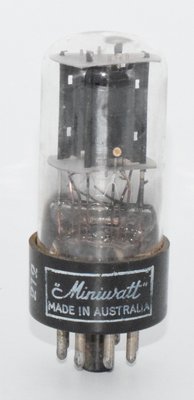
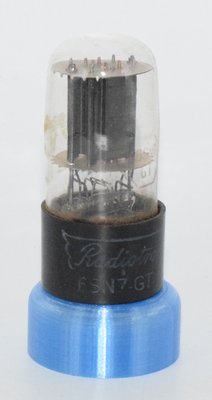
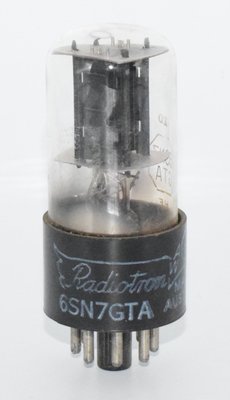
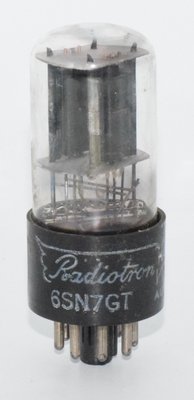
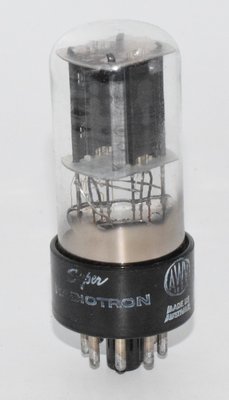
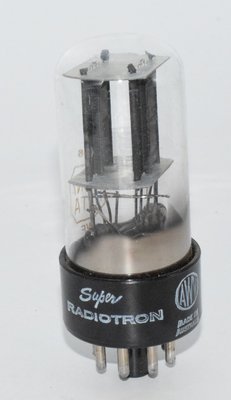
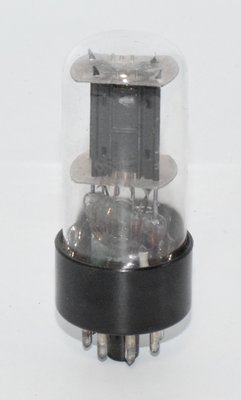
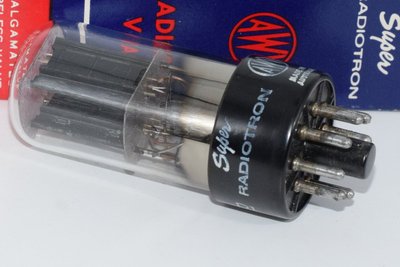
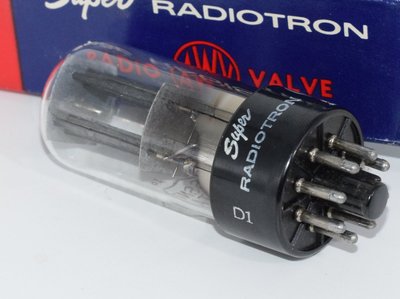
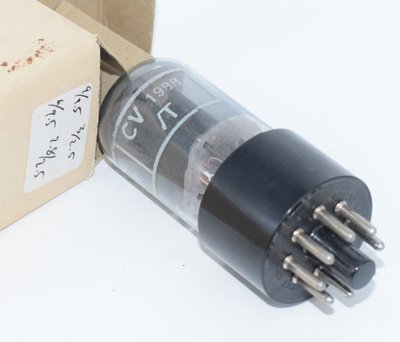
The CV1988 is a British military-specification (CV = Common Valve) designation for the well-known 6SN7GT medium-mu dual triode vacuum tube. Assigned under the United Kingdom's Common Valve naming system — a standardized catalogue maintained by the Ministry of Defence to ensure interchangeability and quality control across military electronics — the CV1988 represents one of the most celebrated and enduring valve types in audio history.
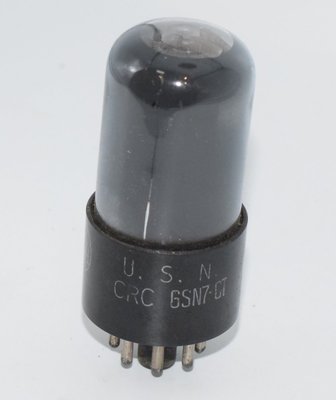
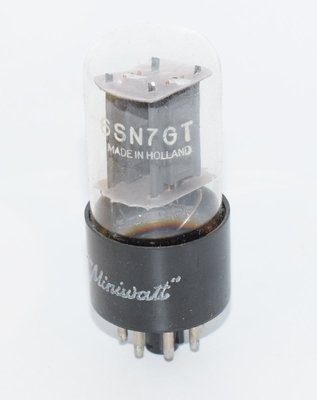
The 6SN7GT lineage traces back to the early 1940s, evolving from the earlier 6SN7 (metal envelope) type. RCA is generally credited with the original development of the 6SN7 family, which quickly became a standard medium-gain dual triode for use in amplifiers, oscillators, phase inverters, and general-purpose voltage amplification. The "GT" suffix denotes the "Glass Tubular" envelope style, a smaller and more economical construction than the original metal-envelope version.
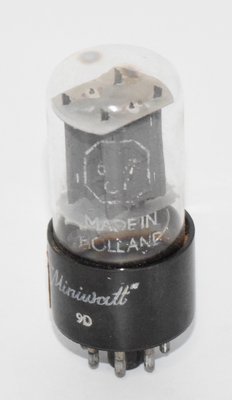
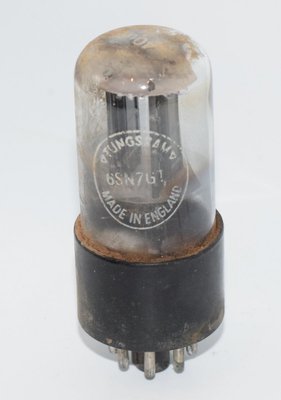
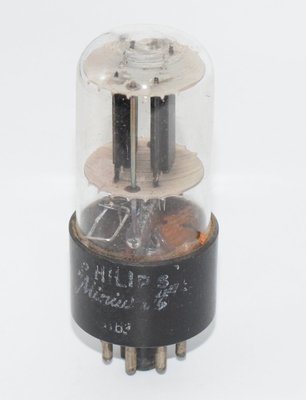
When the British military adopted this tube type, it was assigned the CV1988 designation to ensure that valves from multiple manufacturers — including Mullard, Brimar, GEC, STC, and Tungsram (who operated a factory in Tottenham, London) — met rigorous and uniform quality standards. CV-designated valves were typically subjected to tighter tolerances, enhanced screening, and more demanding environmental testing than their commercial equivalents, making them highly prized by audiophiles and collectors today.
The CV1988 saw extensive use in British military radar equipment, communications receivers, test instruments, and early computing systems throughout the 1940s and 1950s. Its combination of moderate gain, low distortion, and excellent linearity made it an ideal building block for precision circuits where signal integrity was paramount.
2. Technical Specifications and Design
General Description
The CV1988 is a twin triode (dual triode) valve, containing two independent triode sections within a single glass envelope. Each section shares a common cathode heater but is otherwise electrically independent, allowing flexible circuit configurations including push-pull amplification, phase splitting, and cascaded gain stages.
Heater / Filament Ratings
| Parameter | Value |
|---|---|
| Heater Voltage (Vh) | 6.3 V |
| Heater Current (Ih) | 0.6 A |
| Heater Type | Indirect, parallel-connected |
Interelectrode Capacitances (per section)
| Parameter | Value |
|---|---|
| Grid-to-Cathode Capacitance (Cgk) | 2.6 pF |
| Anode-to-Cathode Capacitance (Cak) | 0.8 pF |
| Grid-to-Anode Capacitance (Cga) | 4.1 pF |
Typical Operating Conditions — Voltage Amplifier Service
| Parameter | Condition 1 (Fixed Bias) | Condition 2 (Zero Bias / Class A) |
|---|---|---|
| Anode Voltage (Va) | 250 V | 90 V |
| Grid Voltage (Vg1) | −8.0 V | 0.0 V |
| Anode Current (Ia) | 9.0 mA | 10.0 mA |
| Anode Resistance (Ra / rp) | 7,700 Ω | 6,700 Ω |
| Transconductance (gm / S) | 2.6 mA/V | 3.0 mA/V |
| Amplification Factor (μ) | ~20 (calculated: μ = gm × rp = 2.6 × 7.7 ≈ 20) | ~20 (calculated: μ = 3.0 × 6.7 ≈ 20.1) |
Note: The amplification factor μ of approximately 20 is consistent across both operating conditions and aligns with the well-established 6SN7GT specification. This value is derived from the fundamental triode relationship μ = gm × rp.
Maximum Ratings (per section)
| Parameter | Value |
|---|---|
| Maximum Anode Voltage | 300 V (typical for 6SN7GT; some GTA/GTB variants rated to 450 V) |
| Maximum Anode Dissipation | 5.0 W per section (7.5 W total for both sections combined — confirm against specific CV1988 military data sheet if critical) |
| Maximum Cathode Current | 20 mA per section |
| Maximum Heater-Cathode Voltage | ±200 V |
Note: Maximum ratings for the CV1988 should conform to standard 6SN7GT limits. However, as a military-screened valve, individual specimens may exhibit superior performance within these limits. The values above are consistent with published 6SN7GT datasheets from RCA, Sylvania, and Brimar. Users designing to tight margins should verify against the specific CV1988 military data sheet (DEF-5011 series).
Physical Construction
| Parameter | Detail |
|---|---|
| Base Type | Octal (International Octal, IO, 8-pin) |
| Envelope Type | GT (Glass Tubular) — T-12 or similar medium-sized glass envelope |
| Mounting Position | Any (unless otherwise specified by manufacturer) |
| Overall Length | Approximately 80–85 mm (varies by manufacturer) |
| Maximum Diameter | Approximately 38 mm (T-12 envelope) |
Pin-Out (Octal Base — Bottom View)
| Pin | Connection |
|---|---|
| Pin 1 | Grid (Section 1 / Triode 1) |
| Pin 2 | Plate / Anode (Section 1 / Triode 1) |
| Pin 3 | Cathode (Section 1 / Triode 1) |
| Pin 4 | Grid (Section 2 / Triode 2) |
| Pin 5 | Plate / Anode (Section 2 / Triode 2) |
| Pin 6 | Cathode (Section 2 / Triode 2) — also internally connected to Pin 8 heater return in some versions |
| Pin 7 | Heater |
| Pin 8 | Heater |
| Key (centre spigot) | Alignment key — no electrical connection (shell/shield in some variants) |
Note: The pin-out follows the standard RETMA 6SN7GT basing diagram. The centre spigot of the octal base serves as a locating key and may be connected to an internal shield in some manufacturer variants.
3. Applications and Usage
The CV1988 / 6SN7GT is one of the most versatile dual triodes ever produced, finding application across an extraordinarily wide range of circuits:
Military and Industrial Applications
- Radar systems: Used extensively in British and Allied radar equipment during and after World War II as video amplifiers, timing circuits, and gate generators.
- Communications receivers: Employed as audio preamplifiers, AGC amplifiers, and detector stages in military radio receivers.
- Test and measurement equipment: Found in oscilloscopes, signal generators, and precision voltage references where linearity and stability were essential.
- Early computers: Used in early electronic computing systems including flip-flop circuits, counters, and logic gates.
Audio Applications
- Voltage amplifier / preamplifier: The most common audio application. The moderate μ of ~20 and excellent linearity make each triode section ideal for high-fidelity voltage gain stages.
- Phase splitter / phase inverter: Both triode sections can be configured as a cathodyne (split-load) phase inverter or a long-tailed pair differential amplifier to drive push-pull output stages.
- Line-stage preamplifier: The CV1988's low plate resistance (~7.7 kΩ) provides good current drive capability, making it suitable for driving long interconnect cables or low-impedance loads.
- Driver stage: Used to drive power triodes such as the 300B, 2A3, 845, and 211 in single-ended and push-pull configurations.
- Headphone amplifier: The relatively low plate resistance and moderate gain make it well-suited for direct-coupled or capacitor-coupled headphone amplifier circuits.
- Buffer stage: Configured as a cathode follower, the CV1988 provides unity gain with very low output impedance for impedance matching applications.
Circuit Design Considerations
With a plate resistance of 7,700 Ω at 250 V / −8 V bias, the CV1988 offers a favourable ratio when used with typical plate load resistors in the 20–100 kΩ range, yielding voltage gains of approximately 15–18 (depending on load resistance and operating point). The transconductance of 2.6 mA/V at this operating point ensures adequate gain while maintaining low distortion. The relatively low interelectrode capacitances (Cga = 4.1 pF) contribute to good high-frequency performance in audio circuits, though the Miller effect should be considered in wideband applications.
4. Sound Characteristics
The CV1988 / 6SN7GT family is widely regarded as one of the finest-sounding small-signal tubes ever manufactured. Audiophiles and engineers consistently describe its sonic character in the following terms:
Tonal Qualities
- Rich, full-bodied midrange: The CV1988 is celebrated for its lush, harmonically dense midrange reproduction. Vocals, acoustic instruments, and strings are rendered with a natural warmth and presence that many listeners find deeply engaging and emotionally communicative.
- Smooth, extended treble: High frequencies are typically described as detailed yet never harsh or fatiguing. The top end has a natural, airy quality with excellent decay characteristics on cymbals and high-frequency transients.
- Authoritative bass: Despite being a small-signal tube, the CV1988's low plate resistance contributes to a sense of bass control and weight that surpasses many competing dual triode types. Bass is described as well-defined, with good pitch differentiation and satisfying impact.
- Three-dimensional soundstage: The 6SN7 family is renowned for its ability to create a wide, deep, and three-dimensional soundstage. Image specificity is excellent, with instruments and voices occupying clearly defined positions in space.
- Natural harmonic structure: The predominantly second-harmonic distortion character of the triode topology, combined with the CV1988's excellent linearity, produces a harmonic distortion spectrum that is perceived as musically natural and pleasing.
- Dynamic expressiveness: The tube handles micro-dynamics with particular finesse, preserving subtle dynamic shadings that convey the expressive intent of performers.
Comparison with Other Dual Triodes
Compared to the ubiquitous 12AX7 / ECC83 (μ ≈ 100), the CV1988 offers significantly lower gain but substantially lower distortion and a more open, relaxed presentation. Against the 12AU7 / ECC82 (μ ≈ 17), the CV1988 is often considered to have a more refined, detailed, and three-dimensional sound, partly attributable to its octal-base construction and larger internal electrode structures, which tend to produce lower microphonic noise and more stable operation.
Compared to the 6SL7GT (its higher-mu sibling, μ ≈ 70), the CV1988 is generally perceived as warmer, more relaxed, and more authoritative in the bass, while the 6SL7 offers greater gain and a somewhat more analytical presentation.
Manufacturer Variations
CV1988 tubes from different manufacturers exhibit subtle but discernible sonic differences:
- Mullard (UK): Known for a warm, rich, and slightly romantic character with excellent midrange density.
- Brimar (UK): Often described as detailed and transparent with a slightly more neutral tonal balance.
- GEC (UK): Highly prized for exceptional clarity, dynamics, and a refined, sophisticated presentation.
- Tungsram (Tottenham, UK): Rare and collectible; typically described as offering a balanced, musical presentation with good detail retrieval.
5. Equivalent or Substitute Types
Direct / Drop-In Equivalents
The following types are directly interchangeable with the CV1988 without circuit modifications. They share the same pinout, heater voltage (6.3 V), heater current (0.6 A), and electrical characteristics:
| Type | Notes |
|---|---|
| 6SN7 | Original type designation; metal envelope version (rare). |
| 6SN7GT | Glass tubular version; the most common commercial equivalent. |
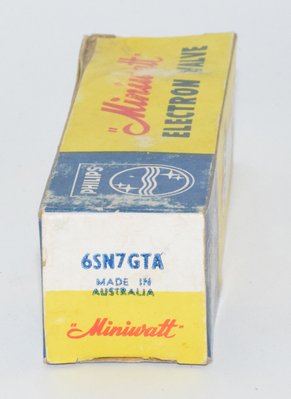
| 6SN7GTA | Improved version with higher maximum plate voltage ratings (typically 300–450 V). |
| 6SN7GTB | Further improved version; highest voltage ratings in the GT family (up to 450 V plate voltage). |
| 6SN7WGT | Ruggedized military version with enhanced vibration and shock resistance. |
| 6SN7WGTA | Ruggedized military version with improved ratings; direct substitute. |
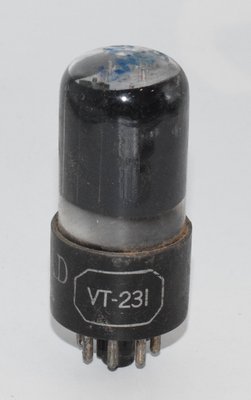
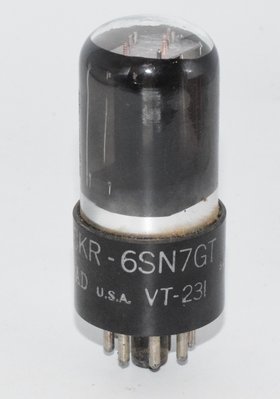
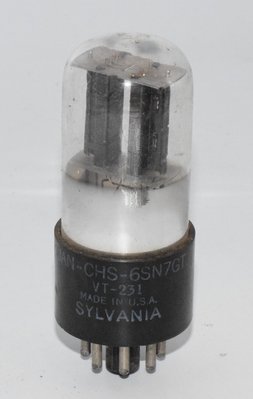
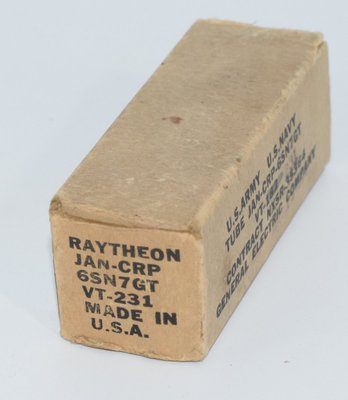
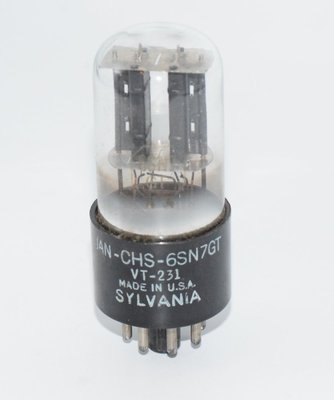
| VT-231 | US military designation for the 6SN7GT; highly sought after by collectors. Wartime production. |
| CV1986 | Another British CV designation for a 6SN7-type valve; direct equivalent. |
| CV3627 | British CV designation; direct equivalent to 6SN7GT. |
| 13D2 | European designation; direct equivalent. |
Different Rating Substitutes — NOT Direct Drop-In
The following types are functionally similar but NOT direct drop-in replacements due to different heater voltages or other rating differences. Circuit modifications are required:
| Type | Key Difference |
|---|---|
| 12SN7 | 12.6 V heater (series-connected heaters); same electrical characteristics otherwise. Requires heater circuit modification. |
| 12SN7GT | 12.6 V heater version of the 6SN7GT. |
| 12SN7GTA | 12.6 V heater version with improved ratings. |
| 8SN7GTB | 8.0 V heater version; requires different heater supply. |
| CV925 | British CV designation with different ratings; not a direct substitute. |
Important: Never substitute a 12.6 V heater type (12SN7) into a circuit designed for 6.3 V heater operation (CV1988 / 6SN7GT) without appropriate heater supply modification, as this will result in under-heating and improper operation, or conversely, applying 12.6 V to a 6.3 V heater will destroy the tube.
6. Notable Characteristics
Military Quality Screening
As a CV-designated valve, the CV1988 was manufactured to meet stringent British military specifications. This typically included:
- Tighter tolerances on transconductance, plate current, and heater current
- Enhanced vibration and shock testing
- Extended burn-in periods to eliminate infant mortality failures
- More rigorous inspection of internal construction and vacuum integrity
- Controlled aging and life testing of sample batches
These quality measures mean that surviving CV1988 specimens are generally more reliable and consistent than their commercial 6SN7GT counterparts.
Low Plate Resistance
The CV1988's plate resistance of 7,700 Ω (at Va = 250 V, Vg1 = −8 V) is notably low for a small-signal dual triode. This characteristic provides excellent current drive capability and contributes to the tube's reputation for authoritative bass reproduction and good transient response in audio circuits. The even lower plate resistance of 6,700 Ω at the 90 V / 0 V bias operating point makes it particularly effective in low-voltage designs.
Excellent Linearity
The 6SN7 family is renowned for its exceptionally linear transfer characteristics. The moderate amplification factor of ~20 means that the tube operates with relatively large grid voltage swings for a given output, which tends to keep operation within the most linear portion of the characteristic curves. This inherent linearity translates directly to low distortion in audio applications.
Robust Construction
The octal-base construction provides a mechanically robust connection compared to the smaller noval (9-pin miniature) base used by later dual triodes such as the 12AU7 and 12AX7. The larger internal electrode structures of the GT envelope also contribute to lower microphonic sensitivity and greater thermal stability.
Versatile Operating Range
The CV1988 operates effectively across a wide range of plate voltages, from as low as 90 V (as shown in the zero-bias Class A operating condition) up to the maximum rated plate voltage. This versatility makes it suitable for both high-voltage traditional amplifier designs and modern low-voltage implementations, including portable and battery-powered equipment.
Collectibility and Rarity
CV1988 tubes, particularly those from premium British manufacturers such as GEC, Mullard, and Brimar, are highly collectible. Specimens from the Tungsram Tottenham factory are considered especially rare and command premium prices among collectors. The combination of military-grade quality, proven sonic excellence, and diminishing supply has made the CV1988 one of the most sought-after small-signal tubes in the vintage audio market.
7. Usage in the Audio Community
The 6SN7 Renaissance
The CV1988 / 6SN7GT occupies a position of extraordinary reverence in the audio community. Often referred to as the "King of Dual Triodes," the 6SN7 family has experienced a remarkable renaissance since the 1990s, driven by the high-end audio community's rediscovery of its exceptional sonic qualities. The CV1988, as the military-grade variant, sits at the pinnacle of this hierarchy.
Preamplifier Applications
The most widespread audio use of the CV1988 is in high-fidelity line-stage preamplifiers. Numerous acclaimed preamplifier designs are built around the 6SN7, including products from:
- Cary Audio — SLP-05, SLP-98 preamplifiers
- Atma-Sphere — MP-1, MP-3 preamplifiers
- Supratek — Chardonnay, Cabernet preamplifiers
- Schiit Audio — Freya+ preamplifier
- Modwright — LS 36.5, LS-100 preamplifiers
- deHavilland — Ultraverve preamplifier
In these applications, the CV1988's combination of moderate gain, low distortion, and musical warmth makes it an ideal choice for the critical line-stage function.
Headphone Amplifiers
The 6SN7 has become increasingly popular in high-end headphone amplifiers, where its low plate resistance and excellent linearity translate to outstanding performance driving a wide range of headphone impedances. Notable headphone amplifiers using 6SN7-type tubes include designs from Bottlehead (Crack with Speedball upgrade, when modified for 6SN7), Glenn OTL amplifiers, and various DIY designs popular on Head-Fi and other enthusiast forums.
Driver Stage Applications
The CV1988 is frequently employed as a driver tube for single-ended triode (SET) power amplifiers using output tubes such as the 300B, 2A3, 45, 845, and 211. Its moderate gain and excellent linearity make it an ideal companion for these directly-heated triode output stages, where signal purity is paramount.
Tube Rolling
"Tube rolling" — the practice of swapping different tube brands and vintages to fine-tune the sound of an amplifier — is a major aspect of 6SN7-based equipment ownership. The CV1988 is considered one of the premier choices for tube rolling, and audiophiles actively seek out specific manufacturer variants:
- Most sought-after: GEC CV1988, Mullard CV1988, Brimar CV1988
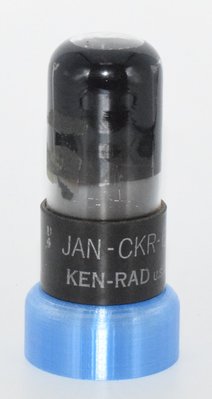
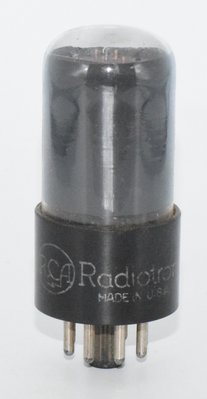
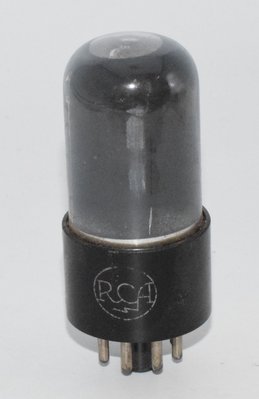
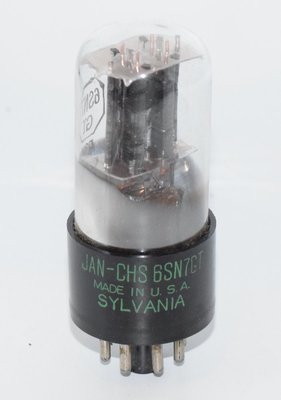
- Highly regarded US equivalents: Sylvania VT-231 (green lettering, "Bad Boy" variant), RCA VT-231 (grey glass), Ken-Rad VT-231 (black glass)
- Rare and collectible: Tungsram CV1988 (Tottenham factory), OSRAM CV1988
Prices for premium NOS (New Old Stock) CV1988 specimens have risen dramatically over the past two decades, with matched pairs of GEC or Mullard CV1988 tubes commanding prices of several hundred dollars or more.
DIY Community
The CV1988 / 6SN7GT is one of the most popular tubes in the DIY audio community. Its straightforward operating requirements, wide availability of published circuit designs, and forgiving nature make it an excellent choice for builders of all skill levels. Popular DIY projects include:
- Single-ended line-stage preamplifiers
- Cathode-follower buffer stages
- SRPP (Shunt Regulated Push-Pull) amplifier stages
- Mu-follower circuits
- Headphone amplifiers (both OTL and transformer-coupled)
- Phono preamplifier gain stages
Current Production
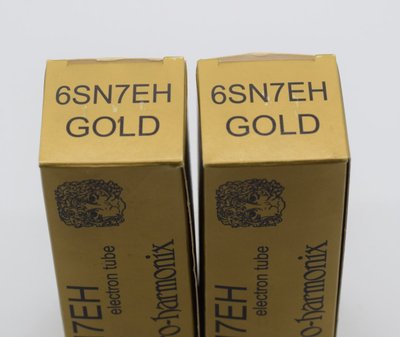
While original CV1988 production ceased decades ago, the enduring demand for 6SN7-type tubes has prompted several current manufacturers to produce new versions, including Electro-Harmonix, Tung-Sol (New Sensor), Shuguang, Psvane, and Linlai. However, audiophiles generally consider vintage NOS CV1988 specimens — particularly those from British manufacturers — to be sonically superior to current production alternatives, further driving the collectibility and value of original CV1988 tubes.
Legacy and Significance
The CV1988 / 6SN7GT represents a golden era of vacuum tube design and manufacturing. Its enduring popularity in the audio community — more than seven decades after its introduction — is a testament to the fundamental excellence of its design. For many audiophiles, the CV1988 is not merely a component but a touchstone of what vacuum tube audio can achieve at its finest: natural, musical, and emotionally engaging sound reproduction that continues to captivate listeners in the digital age.