1. Introduction and History
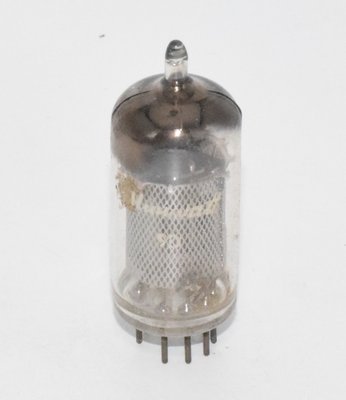
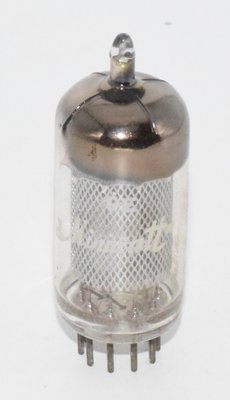
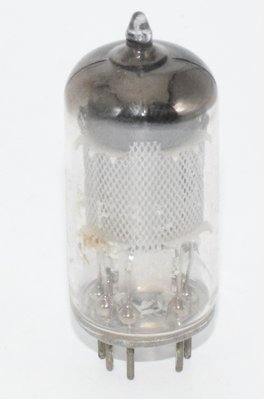
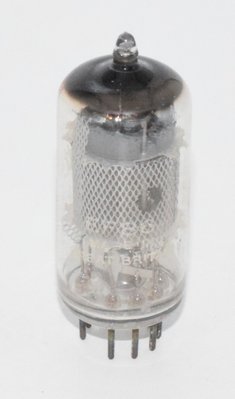
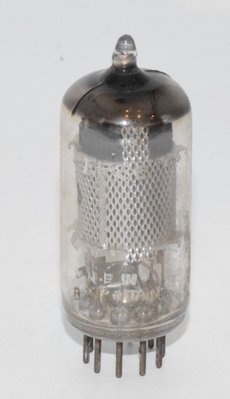
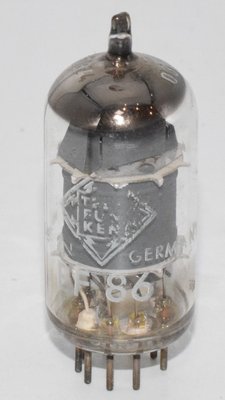
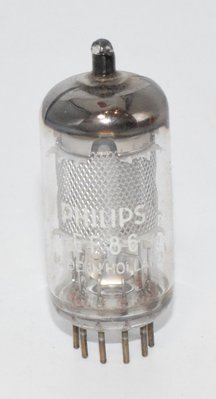
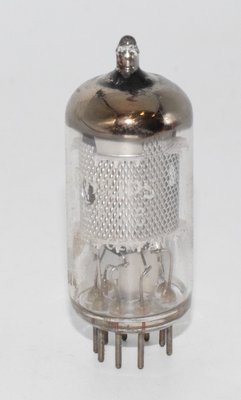
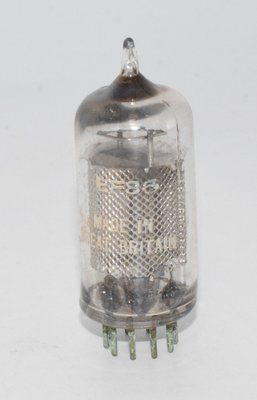
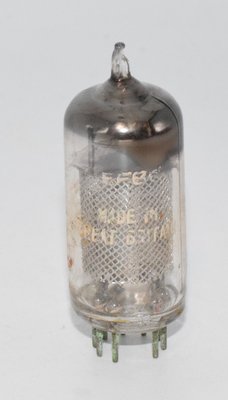
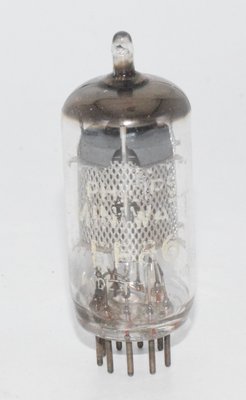
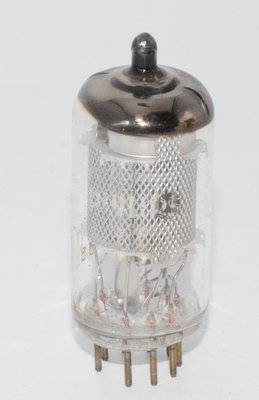
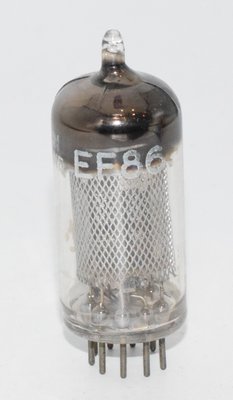
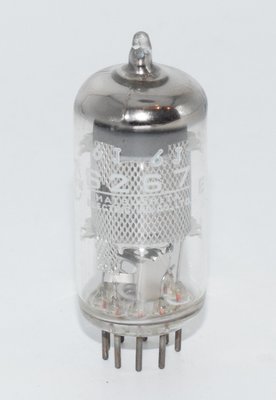
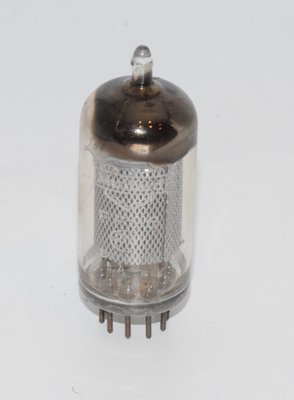
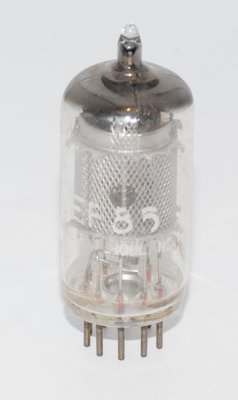
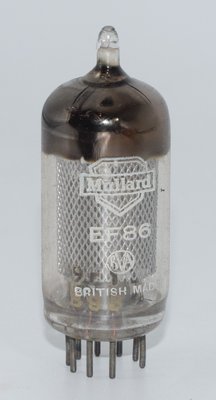
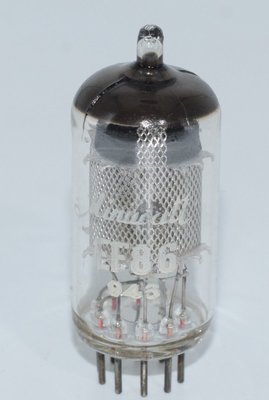
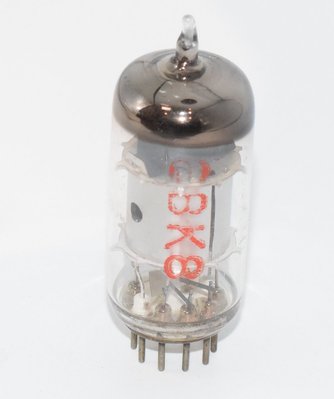
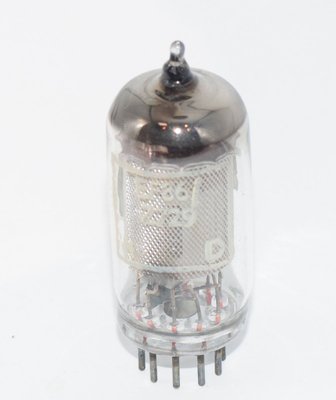
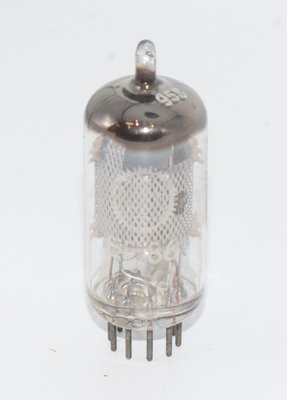
The CV2901 is the British military CV (Common Valve) designation for the celebrated EF86 low-noise audio pentode, one of the most revered small-signal amplifier tubes in the history of audio electronics. Developed in the early 1950s under the Mullard–Philips umbrella as part of the Noval (B9A) miniature valve family, the EF86 was specifically engineered to serve as a high-gain, low-noise voltage amplifier for the input stages of microphone preamplifiers, tape heads, phono stages, and high-fidelity audio equipment.
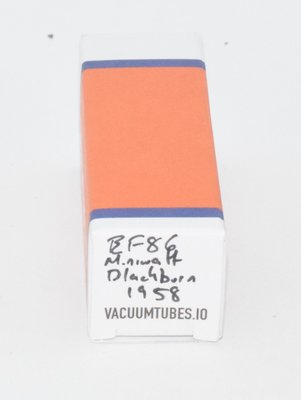
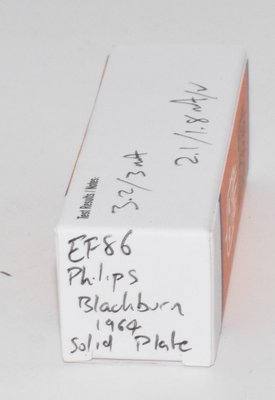
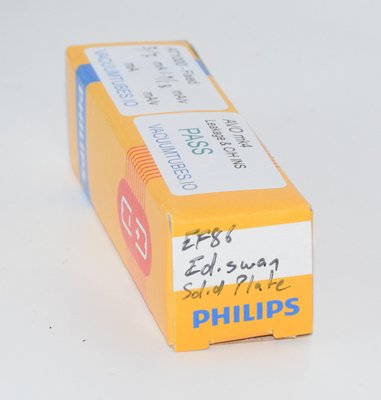
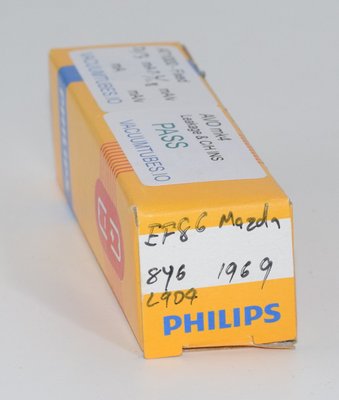
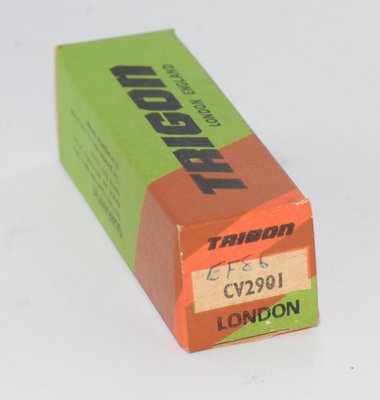
The CV2901 designation was assigned by the UK Ministry of Defence under the CV numbering system, which catalogued valves that met stringent military quality and reliability standards. Tubes carrying the CV2901 marking were manufactured to tighter tolerances than their commercial EF86 counterparts, with enhanced screening for microphony, noise floor, and mechanical robustness. Major manufacturers who produced CV2901-graded tubes included Mullard (Blackburn, UK), Brimar, GEC, and occasionally Valvo and Amperex under Philips group cross-supply arrangements.
The EF86 family quickly became the gold standard for low-noise pentode preamplification in the 1950s and 1960s. It found its way into legendary equipment such as the Vox AC15 amplifier (where it served as the first gain stage), numerous Leak, Quad, and Rogers hi-fi amplifiers, and professional studio equipment from EMI, Telefunken, and Neumann. The CV2901 military variant is particularly prized by collectors and audio enthusiasts for its superior construction quality and consistently low noise performance.
2. Technical Specifications and Design
General Description
The CV2901 is a sharp-cutoff pentode designed for low-noise audio-frequency voltage amplification. It features an internal electrostatic shield between the tube elements and the glass envelope to minimize hum pickup — a critical design feature for its intended low-level signal applications.
Heater Ratings
| Parameter | Value |
|---|---|
| Heater Voltage (Vh) | 6.3 V |
| Heater Current (Ih) | 0.2 A |
Maximum Ratings (Absolute Maximum)
| Parameter | Value |
|---|---|
| Max Plate (Anode) Voltage (Va max) | 300 V |
| Max Plate Dissipation (Pa max) | 1.0 W |
| Max Screen Grid Dissipation (Pg2 max) | 0.2 W |
| Max Cathode Current (Ik max) | 6 mA |
| Max Heater-Cathode Voltage (Vhk max) | 100 V |
Inter-Electrode Capacitances
| Parameter | Value |
|---|---|
| Grid-to-Cathode Capacitance (Cgk) | 3.8 pF |
| Anode-to-Cathode Capacitance (Cak) | 5.4 pF |
| Grid-to-Anode Capacitance (Cga) | 0.025 pF |
The extraordinarily low grid-to-anode capacitance of 0.025 pF is a hallmark of the EF86/CV2901 design, achieved through careful internal shielding. This minimizes Miller effect feedback and ensures stable high-gain operation without parasitic oscillation.
Typical Operating Conditions (Pentode Connection)
| Parameter | Value |
|---|---|
| Plate Voltage (Va) | 250 V |
| Screen Grid Voltage (Vg2) | 140 V |
| Control Grid Voltage (Vg1) | −2.0 V |
| Plate Current (Ia) | 3.0 mA |
| Screen Grid Current (Ig2) | 0.6 mA |
| Plate Load Resistance (Ra) | 2.5 MΩ |
| Transconductance (gm / S) | 2.0 mA/V |
Derived and Typical Characteristics
Based on the published operating conditions and standard EF86 datasheet curves:
| Parameter | Value | Notes |
|---|---|---|
| Amplification Factor (μ) | ~38–40 | Typical value from Mullard datasheets; should be confirmed against specific manufacturer data |
| Plate Resistance (rp) | ~2.5 MΩ | Consistent with the specified Ra value; high rp is characteristic of pentode operation |
| Grid Bias Range (Vg1) | 0 to −5 V typical | Approximate range for normal operating conditions; confirm against specific datasheet for cutoff voltage |
| Voltage Gain (pentode, with 2.5 MΩ Ra) | ~150–200 | Dependent on load and operating point |
Note: The amplification factor μ and exact plate resistance rp in pentode mode are highly dependent on operating point. The values above are typical and consistent with published Mullard and Philips EF86 data, but users designing critical circuits should verify against the specific manufacturer's characteristic curves.
Physical Construction
| Parameter | Detail |
|---|---|
| Base Type | Noval (B9A) — 9-pin miniature |
| Envelope Type | Miniature glass (typically ~20 mm diameter, ~55 mm seated height) |
| Mounting | Vertical (base down preferred for lowest microphony) |
| Internal Shield | Yes — connected to pin 2 (must be grounded for proper operation) |
Pin-Out (B9A Base, Bottom View)
| Pin | Connection |
|---|---|
| 1 | Grid 3 (Suppressor Grid) — internally connected to cathode in most versions |
| 2 | Internal Screen / Shield (must be connected to ground/chassis) |
| 3 | Cathode |
| 4 | Heater |
| 5 | Heater |
| 6 | Plate (Anode) |
| 7 | Grid 2 (Screen Grid) |
| 8 | Grid 1 (Control Grid) |
| 9 | Grid 1 (Control Grid) — second connection for short lead |
Note: Pin 9 is a second connection to the control grid (g1), provided to allow the shortest possible grid lead for minimum noise pickup. In most circuits, pin 9 is used as the signal input and pin 8 may be left unconnected or tied to pin 9. The dual grid pin arrangement is a distinctive feature of the EF86 family designed specifically for low-noise applications.
3. Applications and Usage
The CV2901/EF86 was designed from the outset as a low-noise, high-gain voltage amplifier pentode for audio-frequency applications. Its principal uses include:
- Microphone Preamplifiers: The tube's exceptionally low noise floor made it ideal for amplifying the tiny signals from dynamic and ribbon microphones. It was used extensively in professional broadcast and recording studio equipment.
- Phono/Pickup Preamplifiers: Many classic hi-fi preamplifiers used the EF86 as the first stage for magnetic phono cartridges, where its high gain and low noise were essential for extracting detail from the groove.
- Tape Head Preamplifiers: The tube's characteristics were well-suited to amplifying the low-level signals from tape playback heads.
- Guitar Amplifier Input Stages: The Vox AC15 (and early AC30 models) famously used the EF86 as the first gain stage, contributing to their distinctive tonal character. Other boutique and vintage guitar amplifiers also employed this tube.
- High-Fidelity Audio Amplifiers: Used as the voltage amplifier/driver stage in numerous classic integrated amplifiers and preamplifiers from Leak, Rogers, Quad, Radford, and others.
- Instrumentation and Measurement: The military-grade CV2901 found use in sensitive measurement equipment, oscilloscopes, and laboratory instruments where low noise and stable gain were required.
- Professional Audio Equipment: Mixing consoles, compressors, and equalizers from the golden age of recording frequently incorporated EF86-type tubes.
The tube is typically operated in pentode mode for maximum gain, but it can also be connected in triode mode (screen grid tied to plate) for lower gain with reduced noise and a different harmonic character. Some audiophile designs offer switchable pentode/triode operation to allow the user to choose between the two sonic signatures.
4. Sound Characteristics
The CV2901/EF86 occupies a special place in the vocabulary of audiophiles and recording engineers. Its sonic character has been described extensively over decades of use:
In Pentode Mode
- Rich and Complex Harmonics: The EF86 in pentode mode produces a harmonically complex signal with a blend of even and odd harmonics. This gives it a "fuller" and more "textured" sound compared to triode-only gain stages.
- Exceptional Detail Retrieval: The high gain and low noise floor allow the tube to resolve very fine musical details, particularly in phono and microphone applications. Audiophiles frequently describe the sound as "revealing" and "articulate."
- Lush Midrange: The EF86 is celebrated for a particularly engaging midrange presentation — warm but not woolly, with excellent vocal reproduction and instrumental timbre.
- Airy Top End: When well-implemented, the tube delivers an extended and delicate high-frequency response without harshness, often described as "shimmering" or "airy."
- Controlled but Present Bass: Bass response is tight and well-defined rather than bloated, though the high output impedance of pentode operation means that circuit design significantly influences the low-frequency character.
In Triode Mode
- Smoother and Warmer: Triode connection reduces gain but produces predominantly even-order harmonics, yielding a smoother, warmer, and more "liquid" sound.
- Lower Noise: Triode mode further reduces the already-low noise floor, making it attractive for the most demanding low-level applications.
- Reduced Dynamic Range: The lower gain means less headroom before clipping, which can be either a limitation or a creative tool depending on the application.
In Guitar Amplifiers
In the context of guitar amplification (notably the Vox AC15), the EF86 is prized for:
- High Sensitivity: The tube's high gain means the amplifier responds to the lightest touch, making it extremely expressive and dynamic.
- "Chimey" Clean Tones: At lower volumes, the EF86 produces the classic Vox "chime" — bright, bell-like clean tones with complex overtones.
- Rich Overdrive: When pushed into distortion, the EF86 produces a thick, harmonically rich overdrive that is distinctly different from the 12AX7-based circuits that replaced it. The breakup is described as more "complex" and "three-dimensional."
- Microphony Sensitivity: The flip side of the EF86's high gain is its susceptibility to microphonic feedback in high-vibration environments like guitar amplifier combos. This is the primary reason Vox eventually switched to the more mechanically robust 12AX7/ECC83 in later AC30 designs.
CV2901 vs. Commercial EF86
Audiophiles and engineers who have compared military-grade CV2901 tubes against standard commercial EF86 production consistently report that the CV2901 exhibits:
- A noticeably lower noise floor — the "blackness" between notes is more pronounced
- Greater consistency between samples — less tube-to-tube variation
- Better microphony rejection — the tighter mechanical construction reduces sensitivity to vibration
- A subjectively more refined and controlled presentation overall
5. Equivalent or Substitute Types
Direct / Drop-In Equivalents
The following types are electrically identical and pin-compatible with the CV2901. They can be used as direct substitutes without circuit modification:
| Type | Origin / Notes |
|---|---|
| EF86 | European commercial designation (Mullard, Philips, Telefunken, Valvo, Siemens, etc.). The "standard" designation for this tube type. |
| 6267 | American RETMA designation equivalent. Used by US manufacturers and in US-market equipment. Electrically and pin-identical. |
| 6F22 | Alternative designation used in some markets. Direct equivalent. |
| Z729 | Mullard special-quality designation. Selected for low noise and low microphony — essentially a premium-grade EF86. Highly sought after by audiophiles. |
| CV8068 | Alternative British CV designation. Direct equivalent to CV2901/EF86. |
| CV10098 | Another British CV designation for the same type. Direct equivalent. |
Related but NOT Direct Drop-In Substitutes
| Type | Notes |
|---|---|
| EF806S | Telefunken special-quality, long-life version. While functionally similar and often used in EF86 circuits, it has tighter specifications and may have slightly different operating characteristics. Some sources consider it a premium drop-in; however, it is officially rated differently and should be treated with caution in critical designs. Not a guaranteed drop-in in all circuits. |
| UF86 | The series-heater (100 mA) version of the EF86, designed for AC/DC equipment with series-connected heater strings. Heater voltage is approximately 12.6 V at 100 mA — NOT interchangeable with the CV2901/EF86 without heater circuit modification. Pin connections differ for the heater. |
Important: When substituting tubes, always verify the specific manufacturer's datasheet for the substitute type. Even among "identical" types, there can be subtle differences in construction, screening standards, and maximum ratings depending on the manufacturer and production era.
6. Notable Characteristics
Internal Electrostatic Shield
One of the most distinctive features of the CV2901/EF86 is its internal electrostatic shield connected to pin 2. This shield surrounds the electrode assembly and must be connected to ground (chassis) for the tube to achieve its specified low-noise performance. Failure to ground pin 2 will result in dramatically increased hum and noise pickup. This is a common oversight in DIY builds and a frequent cause of noise problems in vintage equipment where socket connections have degraded.
Dual Control Grid Pins
The control grid (g1) is brought out to two pins (8 and 9), positioned on either side of the internal shield pin. This dual-pin arrangement allows the circuit designer to use the shortest possible grid lead, minimizing stray capacitance and noise pickup at the most sensitive point in the circuit. In most practical circuits, pin 9 is used as the signal input.
Microphony Sensitivity
Despite its internal shielding, the EF86 family is inherently more susceptible to microphonic noise than dual triodes like the 12AX7/ECC83. The high gain of the pentode amplifies any mechanical vibration of the electrode structure. This is why:
- Military-grade CV2901 tubes, with their tighter mechanical construction, are preferred for critical applications
- The Mullard Z729 was specifically selected for low microphony
- Proper socket mounting with vibration damping is essential
- Rubber grommets, tube damper rings, and shock-mounted sockets are commonly used
- Vertical mounting (base down) generally yields the best microphony performance
Extremely Low Grid-to-Anode Capacitance
The 0.025 pF grid-to-anode capacitance is remarkably low, even by pentode standards. This virtually eliminates Miller effect feedback, ensuring stable operation at high gain without the need for neutralization. It also contributes to the tube's excellent high-frequency response in audio applications.
High Plate Load Resistance
The specified plate load resistance of 2.5 MΩ is unusually high and reflects the tube's very high plate resistance in pentode mode. This means the tube is typically used with high-impedance plate loads (large-value resistors or high-impedance transformer primaries) and requires careful attention to stray capacitance in the plate circuit to maintain bandwidth.
Construction Quality Variations
The quality and sonic character of EF86-type tubes varies significantly by manufacturer and era:
- Mullard (Blackburn): Considered the reference standard. Warm, detailed, and musical. The long-plate versions from the 1950s are especially prized.
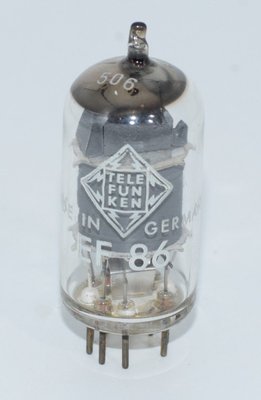
- Telefunken: Known for exceptional clarity and low noise. Diamond-bottom marked examples command premium prices.
- Amperex (Heerlen): Bugle Boy branded examples are highly regarded for a slightly warmer character than Telefunken.
- Valvo: German Philips production, generally excellent quality, similar to Amperex.
- Brimar: British production, good quality, sometimes slightly noisier than Mullard.
- Modern production (JJ, Electro-Harmonix, etc.): Available new-production EF86 tubes exist but are generally considered inferior to NOS (New Old Stock) examples in terms of noise and microphony performance, though quality has improved in recent years.
7. Usage in the Audio Community
Hi-Fi and Audiophile Applications
The CV2901/EF86 remains one of the most sought-after tubes in the audiophile community. Its primary applications include:
- Phono Preamplifiers: The tube's high gain and low noise make it ideal for amplifying the tiny signals from moving-magnet (and even some moving-coil) phono cartridges. Designs by Marantz (Model 7 used a different tube, but many boutique designs employ the EF86), EAR/Yoshino, and numerous DIY projects feature the EF86 as the first gain stage with RIAA equalization.
- Line-Stage Preamplifiers: Used in both pentode and triode mode as a high-gain voltage amplifier, often followed by a cathode follower output stage.
- Headphone Amplifiers: Several boutique headphone amplifiers use the EF86 as a voltage gain stage, taking advantage of its detail retrieval and harmonic richness.
- Microphone Preamplifiers: Studio-quality microphone preamps from companies like EAR/Yoshino, Rogue Audio, and numerous boutique builders use the EF86 for its classic studio sound.
Guitar Amplifier Applications
The EF86's role in guitar amplification is legendary:
- Vox AC15 / Early AC30: The original Vox AC15 used an EF86 as its first gain stage, and this tube is central to the amp's iconic "British" tone. Modern reissues and clones of the AC15 continue to use the EF86.
- Matchless and Bad Cat: Several boutique amplifier manufacturers have designed EF86-based channels into their amplifiers, offering players the distinctive EF86 voice as an alternative to 12AX7-based channels.
- 65amps, Dr. Z, and Others: Various boutique builders offer EF86-equipped models, recognizing the tube's unique tonal contribution.
- DIY Community: The EF86 is popular in DIY guitar amplifier projects, particularly among builders seeking to recreate or reinterpret the classic Vox sound.
Recording and Professional Audio
In the professional recording world, the CV2901/EF86 continues to be valued:
- Vintage Equipment Restoration: Technicians restoring classic EMI, BBC, and European broadcast equipment seek out CV2901 and premium EF86 tubes to maintain original performance specifications.
- Modern Boutique Equipment: Several contemporary manufacturers of recording equipment specifically design around the EF86 for its tonal character, marketing the "vintage" sound quality it imparts.
Market and Collectibility
The CV2901 and its equivalents have become increasingly collectible:
- NOS Premium: Genuine NOS (New Old Stock) CV2901 tubes, particularly those from Mullard, command significant premiums — often $50–$150+ per tube depending on condition, testing results, and provenance.
- Mullard Z729: The premium-selected Mullard variant is among the most expensive small-signal tubes on the secondary market.
- Telefunken EF86: Diamond-bottom Telefunken examples are similarly prized and priced.
- Testing and Selection: Due to the tube's sensitivity to microphony and noise, tested and selected examples command higher prices. Reputable tube dealers offer microphony-tested and noise-graded EF86 tubes at premium pricing.
- Counterfeit Concerns: The high value of premium EF86 variants has led to relabeling and counterfeiting. Buyers should purchase from reputable dealers and learn to identify genuine manufacturer markings, construction details, and date codes.
Practical Tips for Audio Use
- Always ground pin 2 (internal shield) — this is the single most important wiring consideration for low-noise operation.
- Use vibration damping: Tube damper rings (e.g., Herbies Audio Lab) and shock-mounted sockets significantly reduce microphony.
- Elevate the heater supply: The 100V maximum heater-to-cathode voltage rating allows DC heater supplies to be elevated (biased positive) relative to the cathode, which can further reduce hum in demanding applications.
- Keep grid leads short: Use pin 9 for the signal input and keep all wiring to the control grid as short as physically possible.
- Shield the socket area: Additional external shielding around the tube socket can further reduce noise pickup in sensitive installations.
- Burn-in period: NOS tubes that have been stored for decades may benefit from a gentle burn-in period of 24–48 hours before critical evaluation, allowing the cathode chemistry to stabilize.