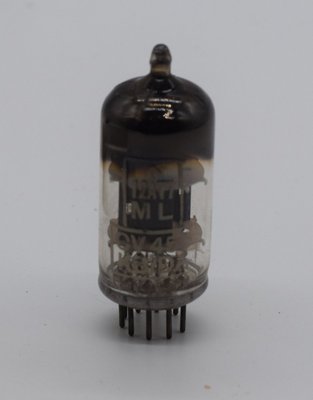
1. Introduction and History
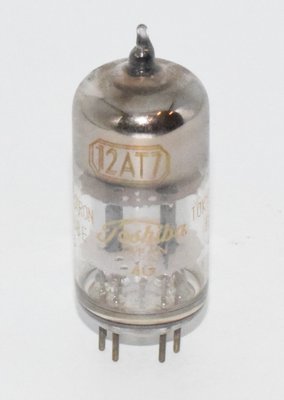
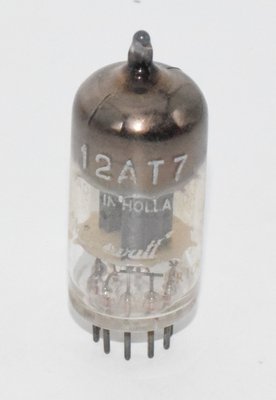
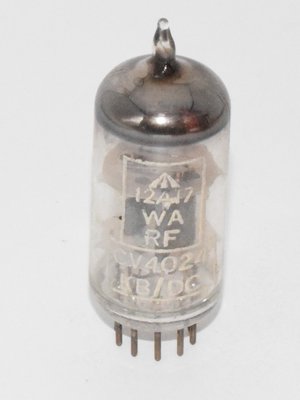
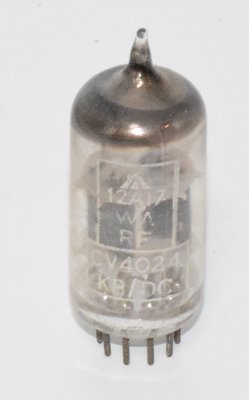
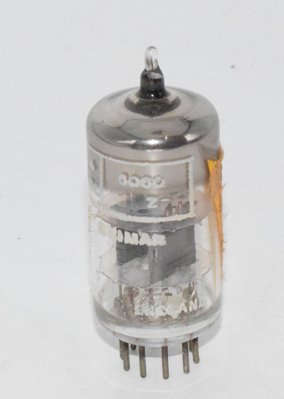
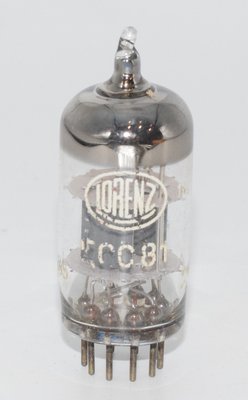
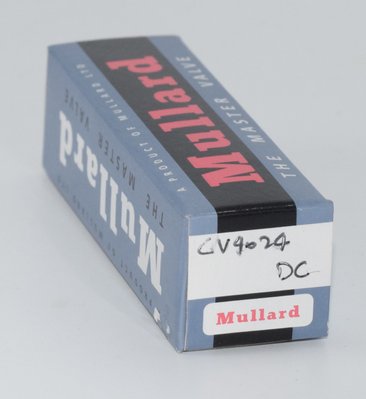
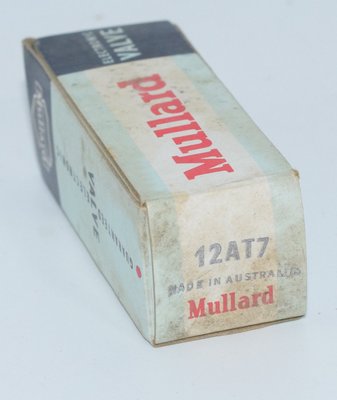
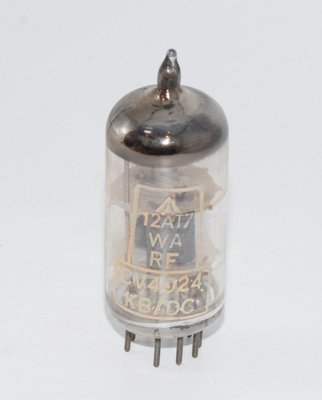
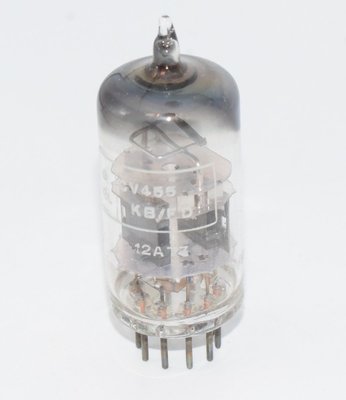
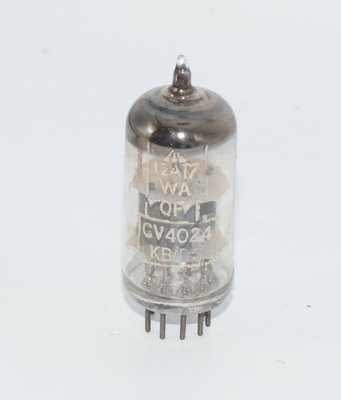
The CV4024 is a premium military-specification double triode vacuum tube (valve) that represents the highest-quality production variant of the well-known 12AT7 / ECC81 family. The "CV" designation stands for "Common Valve" — a classification system used by the British Ministry of Defence (MoD) and its predecessor organisations to standardise electronic components across all branches of the UK armed forces. The CV numbering system ensured that valves meeting stringent military requirements could be sourced from multiple approved manufacturers while guaranteeing consistent performance, reliability, and interchangeability.
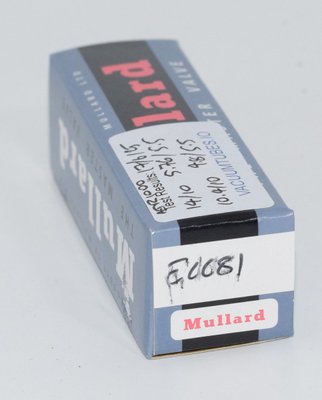
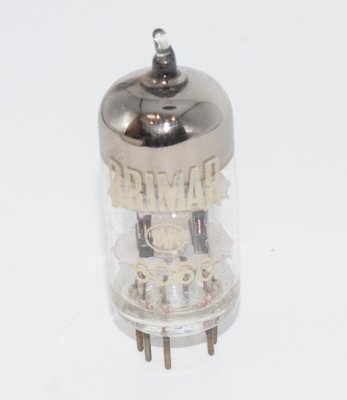
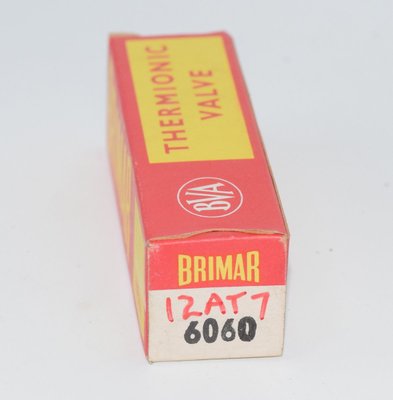
The CV4024 was primarily manufactured by Mullard at their famous Whyteleafe factory in Surrey, England, and by Brimar (Standard Telephones and Cables). These manufacturers produced the CV4024 to exacting military standards that went far beyond the requirements of the commercial 12AT7/ECC81 specification. The military procurement process demanded tighter tolerances on all electrical parameters, enhanced mechanical ruggedness, superior vibration resistance, extended life testing, and rigorous quality control with individual valve testing and traceability.
The 12AT7 type was originally developed in the late 1940s as part of the post-war miniature noval (9-pin) valve family. While the 12AX7 (ECC83) offered the highest gain in the family and the 12AU7 (ECC82) the lowest, the 12AT7 occupied the middle ground with a useful combination of moderate gain and relatively high transconductance. This made it exceptionally versatile — equally at home as a voltage amplifier, phase splitter, or in RF and mixer applications. The CV4024 military variant elevated this already capable design to a level of performance and consistency that has made it one of the most sought-after small-signal valves among audiophiles and professional audio engineers.
Production of the CV4024 was concentrated in the 1950s through the 1970s, with Mullard Whyteleafe examples being particularly prized. These valves were built with premium materials, including gold-plated grid wires in some production runs, and featured construction techniques designed to minimise microphony and ensure long-term parametric stability.
2. Technical Specifications and Design
General Description
The CV4024 is a medium-mu double triode designed for use as a voltage amplifier, phase inverter, oscillator, or mixer in equipment requiring high reliability. It contains two independent triode sections within a single miniature glass envelope.
Heater Ratings
| Parameter | Value |
|---|---|
| Heater Voltage (Vh) | 6.3 V (centre-tapped for 12.6 V series operation) |
| Heater Current (Ih) | 0.3 A (at 6.3 V; 0.15 A at 12.6 V) |
Maximum Ratings (Absolute Maximum per Section)
| Parameter | Value |
|---|---|
| Maximum Plate (Anode) Voltage (Va max) | 300 V |
| Maximum Plate Dissipation (Pa max) | 2.5 W (per section) |
| Maximum Cathode Current (Ik max) | 15 mA (per section) |
| Maximum Heater-Cathode Voltage (Vhk max) | 90 V |
Typical Operating Conditions and Characteristics
The following data is taken directly from verified reference sources and represents typical performance for each triode section:
| Parameter | Condition 1 | Condition 2 | Condition 3 | Condition 4 |
|---|---|---|---|---|
| Plate Voltage (Va) | 100 V | 170 V | 200 V | 250 V |
| Grid Voltage (Vg1) | -1 V | -1 V | -1 V | -2 V |
| Plate Current (Ia) | 3 mA | 8.5 mA | 11.5 mA | 10 mA |
| Plate Resistance (Ra / rp) | 16,500 Ω | 11,000 Ω | 10,500 Ω | 11,000 Ω |
| Transconductance (S / gm) | 3.75 mA/V | 5.9 mA/V | 6.7 mA/V | 5.5 mA/V |
| Amplification Factor (μ) | ~62 | ~65 | ~70 | ~60 |
Note: The amplification factor (μ) values are calculated from μ = gm × rp. For example, at Va = 170 V: μ = 5.9 mA/V × 11,000 Ω = 64.9 ≈ 65. The nominal μ for the 12AT7 family is typically quoted as approximately 60, varying with operating conditions. These calculated values are consistent with published data for the type.
Physical Construction
| Parameter | Detail |
|---|---|
| Base Type | Noval (B9A) — 9-pin miniature |
| Envelope | Miniature glass (T-6½ typically) |
| Mounting Position | Any (designed for military use in all orientations) |
| Overall Length | Approximately 55–58 mm (may vary slightly by manufacturer; confirm against specific manufacturer datasheet) |
Pin-Out (B9A Base, Bottom View)
| Pin | Function |
|---|---|
| 1 | Triode 1 — Anode (Plate) |
| 2 | Triode 1 — Grid |
| 3 | Triode 1 — Cathode |
| 4 | Heater (one end) |
| 5 | Heater (centre-tap) |
| 6 | Triode 2 — Anode (Plate) |
| 7 | Triode 2 — Grid |
| 8 | Triode 2 — Cathode |
| 9 | Heater (other end) |
The internal shield, where present, is typically connected internally or to pin 9 depending on the specific manufacturer's construction. The heater can be operated at 6.3 V across pins 4 and 9 (with pin 5 unused), or at 12.6 V across pins 4 and 5 (with pin 9 connected to pin 4 or 5 as appropriate for series operation).
3. Applications and Usage
The CV4024 was designed for demanding military and professional applications where reliability, consistency, and long service life were paramount. Its principal applications include:
- Voltage Amplification: The moderate amplification factor (~60) combined with high transconductance makes the CV4024 an excellent general-purpose voltage amplifier. It provides sufficient gain for most signal amplification tasks while maintaining good linearity.
- Phase Splitting / Phase Inversion: One of the most common applications for the 12AT7 family. The CV4024 is widely used in cathodyne (split-load), long-tailed pair, and other phase inverter topologies in push-pull amplifier circuits. Its balanced sections and tight tolerances make it particularly well-suited to this role.
- RF Amplification and Mixing: The relatively high transconductance and moderate plate resistance make the CV4024 suitable for RF amplifier and mixer stages, particularly in VHF communications equipment — a key military application.
- Oscillator Circuits: Used in local oscillators for superheterodyne receivers and in various timing and signal generation circuits.
- Cascode Amplifiers: The two triode sections can be connected in cascode configuration for high-gain, low-noise amplification with excellent high-frequency performance.
- Military Communications Equipment: The primary intended application — used in radio receivers, transmitters, and signal processing equipment across all branches of the British armed forces and NATO allies.
- Professional Audio Equipment: Widely adopted in high-end microphone preamplifiers, mixing consoles, and studio amplifiers where the tightest tolerances and lowest noise are required.
- Guitar Amplifiers: Extensively used as a phase inverter valve in numerous classic and modern guitar amplifier designs, including many Fender, Marshall, and Vox models.
4. Sound Characteristics
The CV4024 has earned a distinguished reputation in the audio community for its sonic qualities, which are frequently described as superior to standard commercial 12AT7/ECC81 production. Audiophiles, recording engineers, and guitar amplifier enthusiasts consistently report the following tonal characteristics:
Tonal Qualities
- Clarity and Detail: The CV4024 is renowned for its exceptional clarity and resolution. The tight manufacturing tolerances and premium materials result in a valve that reveals fine detail and micro-dynamics in a way that standard 12AT7 production often cannot match. Listeners frequently describe the sound as "transparent" and "articulate."
- Low Noise Floor: Military-grade screening ensures extremely low noise, hum, and microphony. This translates directly into a blacker background from which musical details emerge with greater definition. In microphone preamplifier applications, this low noise floor is particularly valued.
- Smooth, Extended Treble: The high-frequency response is typically described as smooth, airy, and extended without harshness or grain. There is a refinement to the top end that distinguishes the CV4024 from many commercial equivalents, which can sometimes exhibit a slightly grainy or edgy treble character.
- Balanced Midrange: The midrange is full, natural, and well-defined. Vocals and acoustic instruments are reproduced with a lifelike presence that avoids the slightly thin or clinical quality sometimes associated with lesser 12AT7 variants.
- Controlled, Defined Bass: Bass response is tight, well-controlled, and articulate rather than bloomy or loose. The CV4024 provides excellent low-frequency definition, which is particularly noticeable in phase inverter applications where bass clarity is critical.
- Section Matching: The close matching between the two triode sections — a hallmark of the military specification — results in superior stereo imaging in hi-fi applications and more symmetrical push-pull drive in guitar amplifier phase inverter circuits. This translates to a more balanced, three-dimensional soundstage.
- Dynamic Response: The CV4024 exhibits excellent dynamic range and transient response. Musical peaks are handled with authority and without compression, while quiet passages retain their detail and nuance.
Comparison with Standard 12AT7/ECC81
When compared directly with standard commercial 12AT7 or ECC81 valves, the CV4024 is generally perceived as more refined, quieter, and more detailed. The differences are most apparent in high-resolution audio systems and professional recording chains where the improved noise performance and tighter tolerances can be fully appreciated. In guitar amplifier applications, the CV4024 tends to produce a more focused, articulate tone with better note separation, particularly when the amplifier is driven hard.
Manufacturer Variations
Among CV4024 production, Mullard Whyteleafe examples are the most highly regarded, often described as having a particularly rich, warm midrange combined with exceptional smoothness. Brimar CV4024s are also excellent, sometimes characterised as having a slightly more forward, detailed presentation. Both are considered significantly superior to most current-production 12AT7 types.
5. Equivalent or Substitute Types
Close / Identical Substitutes (Direct Drop-In Replacements)
The following types are considered genuinely interchangeable with the CV4024 and can be used as direct drop-in replacements with identical pinout and very similar or identical ratings:
| Type | Notes |
|---|---|
| 12AT7WA | US military-grade 12AT7 with enhanced reliability specifications. Essentially the American equivalent of the CV4024 concept. Direct drop-in. |
| 12AT7WC | Further enhanced US military variant. Direct drop-in replacement. |
| ECC801 | European professional/industrial-grade equivalent with tighter tolerances than standard ECC81. Direct drop-in. |
Different Rating Substitutes (NOT Direct Drop-In — Use with Caution)
The following types are related to the CV4024 and share the same basic pinout, but have different ratings, tolerances, or specifications. They may work in many circuits but are not guaranteed to be exact replacements in all applications:
| Type | Notes |
|---|---|
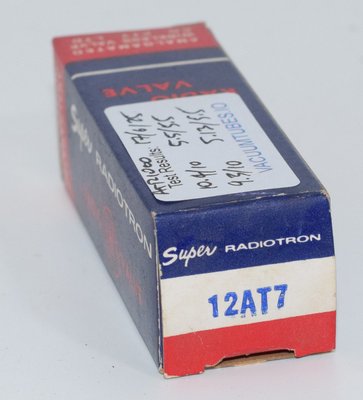
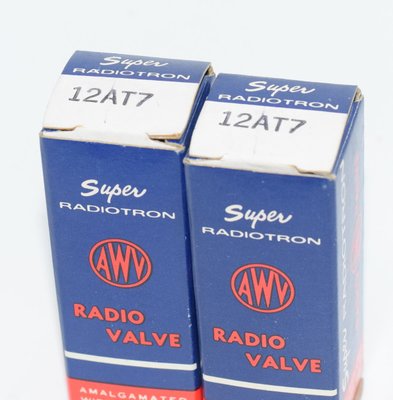
| 12AT7 | Standard commercial version. Same pinout but wider tolerances and lower reliability standards than CV4024. |
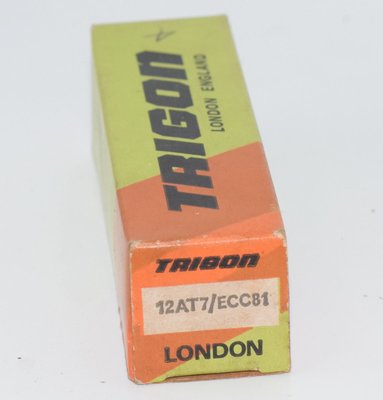
| ECC81 | European designation for 12AT7. Same valve, commercial tolerances. Same pinout. |
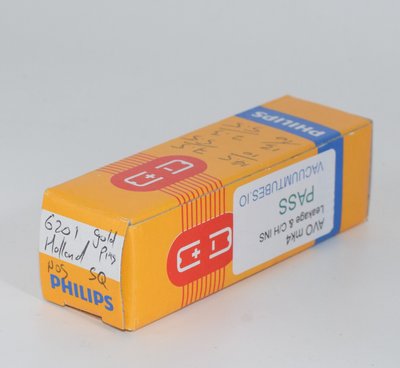
| 6201 | US premium/industrial-grade 12AT7 variant with tighter specs. Generally compatible but verify specific ratings. |
| E81CC | Telefunken/European premium long-life variant. Enhanced ratings (often higher Pa max). Generally compatible but check specifications. |
| ECC801S | Special quality version with frame grid construction (e.g., Telefunken). Higher transconductance. Compatible in most circuits. |
| 6060 | Industrial variant. Check specific ratings before substitution. |
| 6679 | Low-noise selected variant. Generally compatible. |
| M8162 | Another UK military/professional designation for a high-reliability 12AT7 variant. Check specific ratings. |
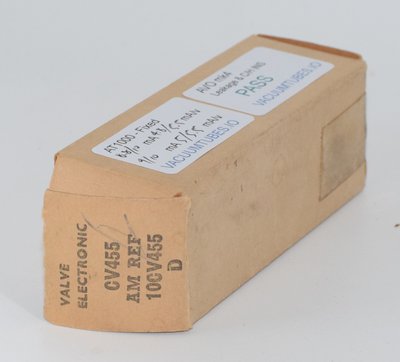
| CV455 | Earlier CV designation for the 12AT7/ECC81 family. Commercial-grade tolerances. |
| B309 / B739 / B152 | Mullard internal type designations. Related types with potentially different specifications. |
| A2900 | GEC/MOV designation. Related type. |
| 7492 / 7728 | Special-application variants. Verify compatibility before use. |
Important Note: While all the above types share the same B9A (noval) base and the same basic pinout, the CV4024's tighter tolerances mean that replacing a CV4024 with a standard 12AT7 or ECC81 may result in degraded performance in critical applications. Conversely, a CV4024 can always be used in place of a standard 12AT7/ECC81 — it will meet or exceed all standard specifications.
Do NOT substitute the CV4024 with other members of the 12A_7 family (12AX7/ECC83 or 12AU7/ECC82) as these have significantly different electrical characteristics (gain, transconductance, plate resistance) and will cause circuits to operate incorrectly or potentially damage components.
6. Notable Characteristics
- Military-Grade Quality Control: Every CV4024 was individually tested and had to meet stringent parametric limits. Valves that failed any test were rejected — there was no "grading" or "binning" as with some commercial production. This means that any genuine CV4024 should perform within tight specification limits.
- Enhanced Mechanical Ruggedness: The CV4024 was designed to withstand significant vibration and mechanical shock, making it inherently resistant to microphony — a critical advantage in audio applications where microphonic valves can introduce unwanted noise and coloration.
- Tight Section Matching: The two triode sections within each CV4024 are closely matched for key parameters including transconductance and plate current. This is particularly valuable in phase inverter and differential amplifier applications where section balance directly affects performance.
- Extended Life: Military specifications demanded significantly longer operational life than commercial equivalents. CV4024 valves were designed for a minimum of 10,000 hours of operation, and many examples continue to test well after decades of use.
- Traceability: Genuine CV4024 valves carry date codes and batch markings that allow full traceability to the manufacturing batch. This was a military requirement for quality assurance and failure analysis.
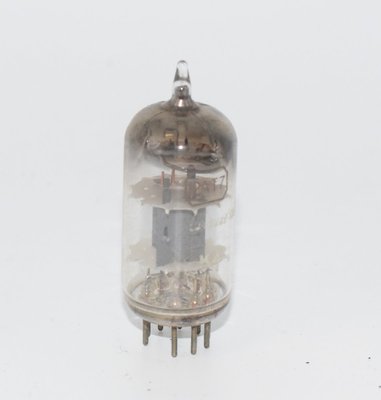
- Premium Construction: Mullard CV4024s from the Whyteleafe factory are noted for their exceptionally clean internal construction, precisely aligned electrode structures, and in some production runs, gold-plated grid wires. The getter flash is typically clean and well-defined, indicating excellent vacuum processing.
- High Heater-Cathode Voltage Rating: The 90 V maximum heater-cathode voltage rating allows the CV4024 to be used in circuits where the cathode is elevated significantly above ground potential, expanding its range of applications compared to types with lower Vhk ratings.
- Collector's Value: Genuine Mullard Whyteleafe CV4024 valves have become highly collectible. Their combination of military-grade quality, excellent sonic performance, and finite supply has driven prices well above those of standard 12AT7 types. Buyers should be cautious of counterfeit or relabelled valves.
7. Usage in the Audio Community
Hi-Fi and Audiophile Applications
The CV4024 is one of the most respected small-signal valves in the audiophile community. It is widely used in:
- Preamplifiers: High-end valve preamplifiers that use 12AT7-type valves benefit enormously from the CV4024's low noise, tight tolerances, and refined sonic character. Brands such as Audio Research, Conrad-Johnson, and numerous boutique manufacturers have designed equipment around the 12AT7 type, and the CV4024 is often recommended as the ultimate upgrade valve for these circuits.
- DAC Output Stages: Several high-end digital-to-analogue converters use 12AT7-type valves in their analogue output stages. The CV4024's clarity and low noise make it an ideal choice in these applications where the valve is responsible for the final analogue signal shaping.
- Headphone Amplifiers: Valve-based headphone amplifiers using 12AT7 types are popular in the audiophile community, and the CV4024 is frequently cited as a top-tier upgrade that brings improved detail, dynamics, and spatial presentation.
- Phono Stages: In phono preamplifiers where the 12AT7 is used, the CV4024's extremely low noise floor is particularly beneficial given the very low signal levels from phono cartridges.
Guitar Amplifier Applications
The CV4024 has a strong following among guitar amplifier enthusiasts:
- Phase Inverter Upgrade: The 12AT7 is the standard phase inverter valve in countless classic guitar amplifier designs, including many Fender models (Twin Reverb, Deluxe Reverb, etc.), certain Marshall circuits, and Vox designs. Replacing a standard 12AT7 with a CV4024 in the phase inverter position is one of the most popular and cost-effective upgrades, yielding improved clarity, tighter bass response, and better note definition.
- Reverb Driver: Many Fender-style amplifiers use a 12AT7 to drive the reverb circuit. A CV4024 in this position can improve the quality and smoothness of the reverb effect.
- Effects Loop: Amplifiers with valve-buffered effects loops often use 12AT7 types, and the CV4024 can improve signal integrity in these circuits.
- Reduced Microphony: The CV4024's superior mechanical construction means less susceptibility to acoustic feedback and microphonic ringing — a real-world benefit in live performance environments with high stage volumes.
Professional Recording and Studio Use
- Microphone Preamplifiers: Classic and modern valve microphone preamplifiers from manufacturers such as Telefunken, AEA, Universal Audio, and others frequently use 12AT7-type valves. The CV4024 is a favoured upgrade for its low noise and detailed, transparent character — qualities that are critical when capturing delicate vocal and acoustic instrument performances.
- Mixing Console Channels: Vintage valve mixing consoles (e.g., certain EMI/Abbey Road designs) used 12AT7 types extensively. The CV4024 was often the original valve fitted in professional broadcast and recording equipment.
- Compressors and Equalisers: Various classic outboard processing units use 12AT7 valves, and the CV4024 represents the highest-quality option for these applications.
Sourcing and Authenticity
Due to the high demand and premium pricing of genuine CV4024 valves, the audio community has developed considerable expertise in identifying authentic examples. Key authentication points include:
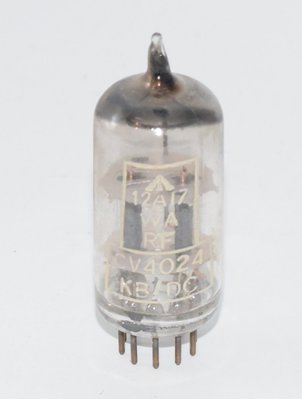
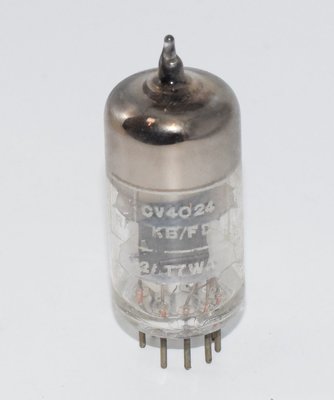
- Correct factory codes (e.g., Mullard Whyteleafe factory code, typically etched or printed on the glass)
- Appropriate date codes consistent with known production periods
- Correct internal construction details (plate structure, getter type and position, mica spacer design)
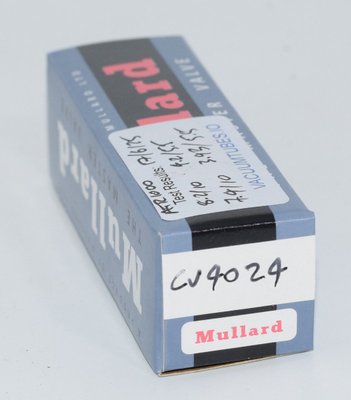
- Proper CV4024 marking — either printed, etched, or on an affixed label
- AVO or military test results, where available, providing documented evidence of the valve meeting specification
Reputable valve dealers typically test CV4024s on calibrated valve testers (such as the AVO CT160 or Mk IV) and provide test data showing transconductance, emission, and section balance. This data gives buyers confidence that the valve not only is genuine but also remains within specification after decades of potential storage or use.
Market Position
The CV4024 occupies a premium position in the NOS (New Old Stock) valve market. Prices for tested, guaranteed examples typically range from several times the cost of a standard current-production 12AT7 to significantly more for matched pairs or particularly desirable production variants (such as early Mullard Whyteleafe production with specific internal construction features). Despite the premium pricing, many audio enthusiasts consider the CV4024 to represent excellent value given its measurably superior performance, exceptional build quality, and the tangible sonic improvements it delivers in well-designed audio circuits.