1. Introduction and History
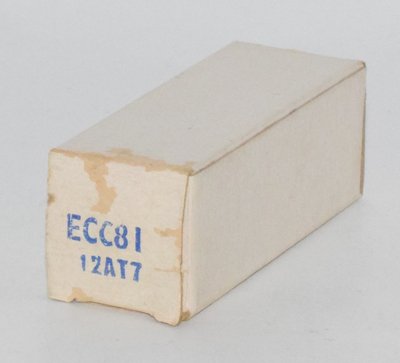
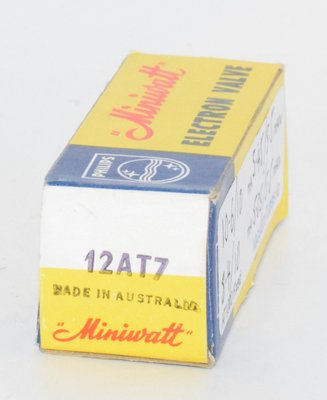
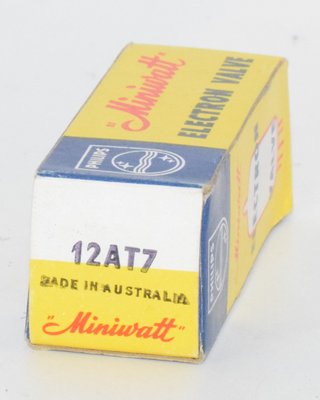
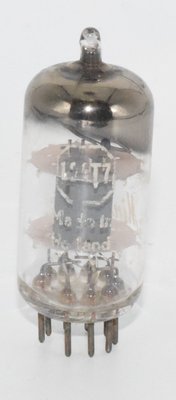
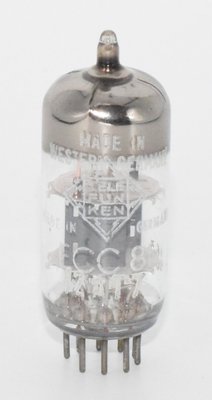
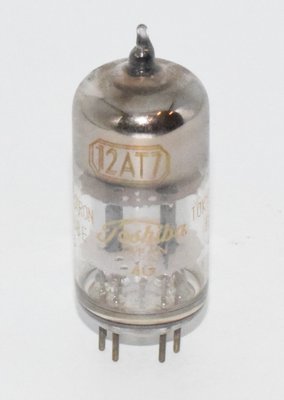
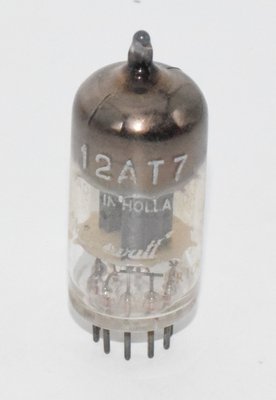
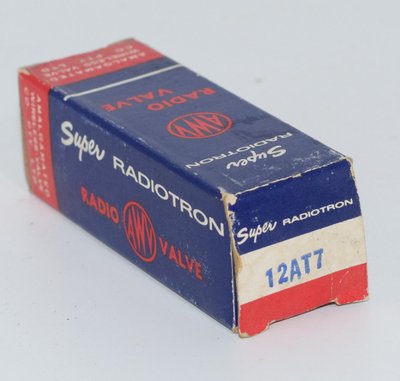
The ECC81, also known as the 12AT7 in North America, is a twin high-mu triode vacuum tube that was first introduced in the late 1940s. Developed as part of the Mullard-Philips E-series of tubes, the ECC81 became a staple in audio equipment and various electronic applications throughout the vacuum tube era.
The designation breaks down as follows: 'E' indicates a 6.3V heater voltage, 'CC' denotes a twin triode configuration, and '81' is the type identifier. Mullard, a British company that was later acquired by Philips, was one of the premier manufacturers of this tube, with their Mitcham factory in the UK producing particularly sought-after specimens.
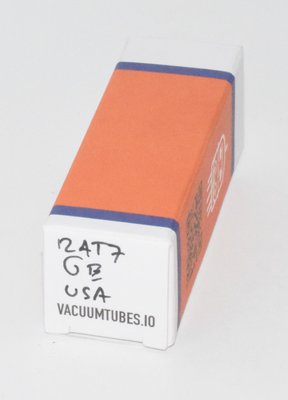
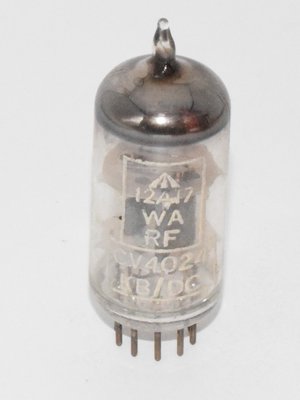
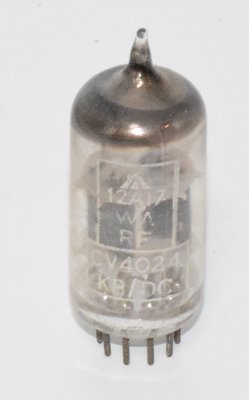
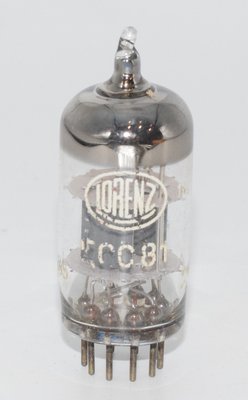
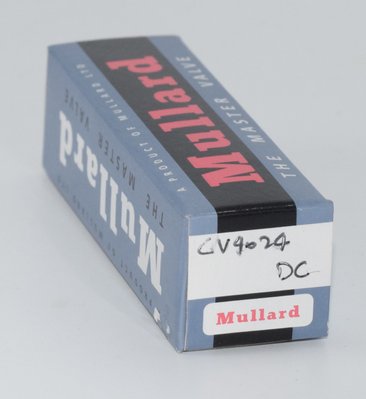
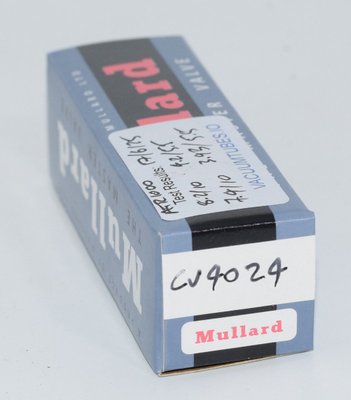
The 1963 Mullard Mitcham Factory ECC81 tubes are especially prized by audiophiles and collectors for their consistent quality and sonic characteristics. These British-made valves have gained a reputation for reliability and excellent performance, making vintage Mullard ECC81s from this period highly desirable in the vacuum tube market.
2. Technical Specifications and Design
The ECC81/12AT7 is a medium-gain, dual triode vacuum tube with the following key specifications:
- Heater (Filament): 6.3V at 300mA (parallel configuration) or 12.6V at 150mA (series configuration)
- Plate (Anode) Voltage: Maximum 300V
- Plate Dissipation: 2.5W per section
- Transconductance: Approximately 5.5 mA/V
- Amplification Factor (μ): 60 (higher than the ECC82/12AU7 but lower than the ECC83/12AX7)
- Plate Resistance: Approximately 11kΩ
- Base: Noval (B9A, 9-pin)
- Pin Configuration:
- Pin 1: Plate (Anode) of first triode
- Pin 2: Grid of first triode
- Pin 3: Cathode of first triode
- Pin 4: Heater
- Pin 5: Heater
- Pin 6: Plate (Anode) of second triode
- Pin 7: Grid of second triode
- Pin 8: Cathode of second triode
- Pin 9: Center tap of heater (for 12.6V operation)
The ECC81's design features two identical triode sections in a single glass envelope. The tube is constructed with a relatively rigid internal structure to minimize microphonics, making it suitable for applications where mechanical vibration might be a concern. The heater can be wired in either parallel (6.3V) or series (12.6V) configurations, providing flexibility in circuit design.
3. Applications and Usage
The ECC81/12AT7 has been employed in numerous applications due to its versatile performance characteristics:
Audio Applications:
- Preamplifier Stages: Commonly used in the input and driver stages of high-fidelity audio equipment
- Phase Inverters: Effective in push-pull amplifier designs
- Line Stages: Used in high-quality line-level preamplification
- Guitar Amplifiers: Found in the preamp and phase inverter sections of many classic guitar amplifiers
RF/Communications Applications:
- Frequency Converters: Used as mixers and local oscillators in radio receivers
- VHF Amplifiers: Suitable for VHF amplification in early television and radio equipment
- Cathode Followers: Employed as impedance-matching buffer stages
Instrumentation:
- Test Equipment: Used in oscilloscopes, signal generators, and other precision instruments
- Pulse Circuits: Applied in timing and pulse-forming networks
The ECC81 is particularly valued in audio applications for its good balance between gain and headroom. With a moderate amplification factor of 60, it provides more gain than the ECC82/12AU7 (μ ≈ 20) but less than the ECC83/12AX7 (μ ≈ 100), making it ideal for applications requiring moderate gain with lower noise and distortion characteristics.
4. Equivalent or Substitute Types
Several tubes can be considered direct equivalents or suitable substitutes for the ECC81:
Direct Equivalents:
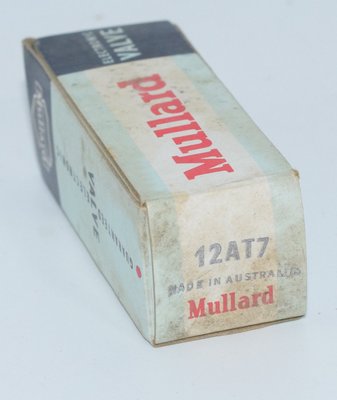
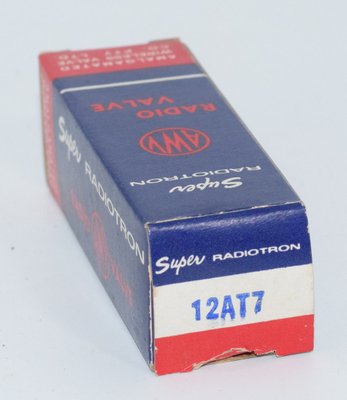
- 12AT7: The American designation for the same tube
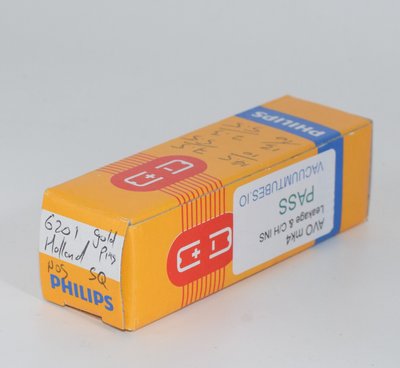
- 6201: A premium, industrial-grade version with tighter specifications
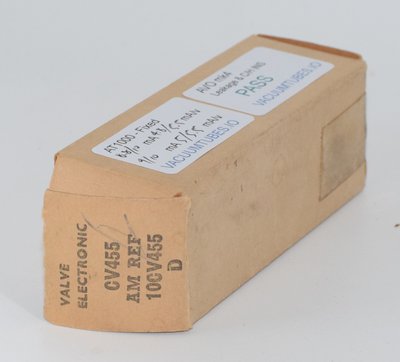
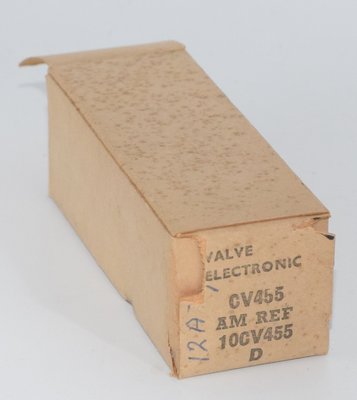
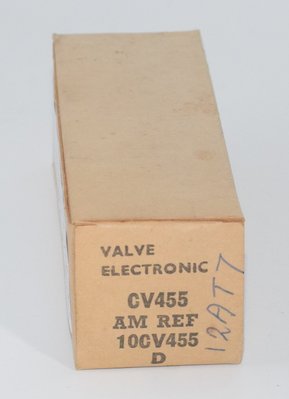
- CV455: UK military designation
- M8162: Another UK military variant
- E180CC: A premium version with improved specifications, though not an exact replacement
Potential Substitutes (with caveats):
- ECC82/12AU7: Lower gain (μ ≈ 20) but can work in some applications where lower gain is acceptable
- ECC83/12AX7: Higher gain (μ ≈ 100) but may cause overdriving in circuits designed for ECC81
- 12AY7: Similar characteristics but with a gain of approximately 40
- 5751: A more rugged version of the 12AX7 with slightly lower gain (μ ≈ 70)
- 12AZ7: Higher plate current capability but different operating characteristics
When substituting tubes, it's important to consider not only the gain factor but also plate resistance, transconductance, and current handling capabilities. Direct substitution may require circuit adjustments in some cases to achieve optimal performance.
5. Notable Characteristics
The ECC81 has several distinctive characteristics that have contributed to its enduring popularity:
Sound Quality and Performance:
- Balanced Tonality: The ECC81 is known for its balanced, slightly warm sonic character without excessive coloration
- Transient Response: Good transient response with clear articulation of detail
- Low Microphonics: Generally less susceptible to microphonic effects compared to higher-gain tubes like the ECC83
- Reliability: Typically exhibits good longevity and stable performance over time
Manufacturer Variations:
Different manufacturers produced ECC81 tubes with subtle variations in construction and performance:
- Mullard (UK): Renowned for warm, rich midrange and excellent reliability. The Mitcham factory tubes from the 1960s are particularly prized
- Telefunken (Germany): Known for precise, detailed sound with excellent linearity
- Amperex (Holland/USA): The Bugle Boy and Orange Globe variants are celebrated for their smooth, musical qualities
- Brimar (UK): Characterized by a full-bodied, slightly romantic sound signature
- RCA, GE, Sylvania (USA): American variants (as 12AT7) typically feature different construction details and slightly different sonic profiles
Modern Production:
Current production ECC81/12AT7 tubes are manufactured by companies such as JJ Electronic, Electro-Harmonix, Tung-Sol (reissue), and Genalex Gold Lion. While these modern tubes provide reliable performance, many audiophiles and musicians still seek vintage NOS (New Old Stock) tubes from the golden era of valve production (1950s-1970s) for their perceived superior sonic qualities.
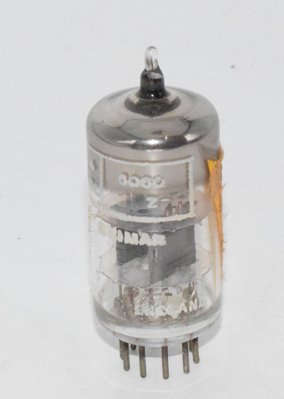
The Mullard Mitcham Factory ECC81 from 1963 represents a particularly desirable vintage specimen, embodying the quality and craftsmanship that made British tubes from this era highly regarded. These tubes are characterized by their distinctive construction, including the Mullard ring getter, shield plates, and precise assembly, contributing to their sought-after sound and reliability.