1. Introduction and History
The EM34 is a European vacuum tube designation for what is commonly known as a magic eye or tuning indicator tube. Manufactured primarily by Telefunken, Mullard, and other European manufacturers during the mid-20th century, the EM34 served as a visual tuning aid in radio receivers and other audio equipment. The tube was particularly popular in German and British radio manufacturing from the 1950s through the 1970s.
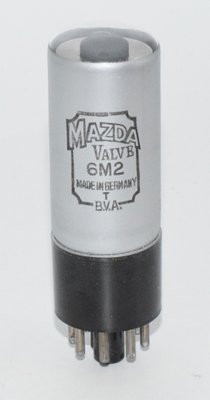
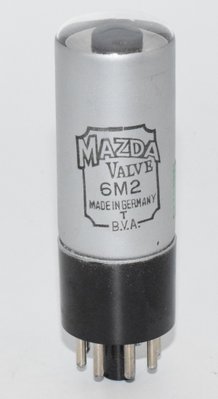
The EM34 is electrically equivalent to the American 6M2 tube, though the EM34 designation was more commonly used in European markets. This tube represents an important chapter in the history of radio technology, bridging the gap between purely mechanical tuning indicators and the electronic displays that would follow.
2. Technical Specifications and Design
Basic Parameters
- Tube Type: Tuning Indicator (Magic Eye)
- Heater Voltage: 6.3V AC/DC
- Heater Current: 0.3A (300mA)
- Maximum Plate Voltage: 330V
- Maximum Grid Voltage: -3V
- Typical Operating Plate Current: 2-3mA
- Typical Plate Resistance: ~100kΩ
- Amplification Factor (μ): Approximately 1200
- Mutual Conductance: ~12 mS
Physical Characteristics
The EM34 features a standard octal (8-pin) base configuration, measuring approximately 2.5 inches (63mm) in height. The tube contains a green phosphor-coated target that glows when bombarded by electrons. The design incorporates a triode section for amplification of the control signal and a secondary emission target that produces the distinctive visual tuning indicator.
Internal Structure
The EM34 employs a unique dual-function design: the primary section acts as a high-gain triode amplifier, while the secondary section features a phosphor-coated anode that creates the visual tuning shadow. When properly tuned, the green glow expands to fill the entire target area. As tuning drifts, the electron beam narrows, creating a characteristic shadow that widens.
Pin Configuration
- Pin 1: Plate (Anode)
- Pin 2: Grid
- Pin 3: Cathode
- Pin 4: Heater (negative)
- Pin 5: No connection
- Pin 6: No connection
- Pin 7: Heater (positive)
- Pin 8: Target Anode
3. Applications and Usage
Primary Applications
The EM34 was predominantly used as a tuning indicator in AM/FM radio receivers manufactured throughout Europe. Its high amplification factor made it ideal for responding to small voltage changes from the automatic frequency control (AFC) circuit, providing precise visual feedback of tuning accuracy.
Applications included:
- Radio receiver tuning indicators
- Test and measurement equipment displays
- Audio equipment tuning aids
- Vintage radio restoration and repair
Circuit Integration
In typical applications, the EM34 was connected to the automatic frequency control (AFC) circuit of a radio receiver. The control grid received a voltage that varied with tuning accuracy, typically ranging from 0V (perfectly tuned) to -3V (severely detuned). This voltage directly controlled the width of the electron beam striking the phosphor target, creating the visual tuning indicator.
4. Sound Characteristics and Audio Community Usage
Sound Characteristics
While the EM34 is not an audio-signal-path tube, its presence in vintage audio equipment contributes to the overall aesthetic and functional character of classic radio receivers. The tube itself does not color or affect the audio signal quality, as it operates independently in the tuning circuit. However, the psychological and ergonomic impact of the visual tuning feedback enhances the user experience and perceived quality of vintage radio systems.
The distinctive green glow of the EM34 has become iconic among vintage audio enthusiasts, representing a tangible connection to mid-century radio technology. Many audiophiles and collectors value the EM34 for its nostalgic appeal and the satisfying visual confirmation of proper tuning.
Audio Community Usage
The EM34 holds a special place in the vintage audio and radio restoration community:
- Restoration Projects: Collectors and restorers seek NOS (New Old Stock) EM34 tubes to restore vintage radio receivers to original specifications. A functioning magic eye tube is often considered essential for authentic restoration.
- Aesthetic Appeal: The glowing green target creates a visually appealing element in restored vintage radios, enhancing the appeal of desktop and console receivers.
- Functional Verification: Audio technicians use the EM34's visual feedback as a diagnostic tool when servicing vintage radio equipment, allowing quick assessment of the AFC circuit's operation.
- Collector Value: Branded examples from prestigious manufacturers like Telefunken and Mullard command premium prices among collectors, particularly NOS (New Old Stock) units.
- DIY Audio Projects: Modern hobbyists incorporating vintage aesthetics into contemporary audio equipment sometimes include EM34 tubes as decorative and functional elements, creating hybrid vintage-modern designs.
The EM34 represents an important intersection of function and form in audio history. While modern radios employ digital displays, the EM34's warm glow continues to captivate enthusiasts who appreciate the tactile, analog nature of vintage audio equipment.
5. Notable Characteristics
Distinctive Features
- High Amplification Factor: The EM34's μ of approximately 1200 provides exceptional sensitivity to small control voltage changes, enabling precise tuning indication.
- Green Phosphor Target: The distinctive green glow creates an iconic visual signature easily recognized by radio enthusiasts.
- Low Heater Current: At 300mA, the EM34 draws minimal heater power, making it practical for integration into radio receiver designs.
- Robust Construction: European-manufactured examples, particularly Telefunken variants, demonstrate exceptional longevity and reliability.
- Simple Circuit Requirements: The EM34 requires minimal supporting circuitry, typically just a high-value grid resistor and plate load resistor.
Reliability and Longevity
The EM34 demonstrates exceptional reliability when operated within specifications. Many NOS examples from the 1950s-1970s remain fully functional today. The tube's simple design, with no critical audio-frequency components, contributes to its long service life. The phosphor coating, while subject to eventual degradation, typically maintains acceptable brightness for decades.
Manufacturing Variations
Different manufacturers produced EM34 tubes with subtle variations in performance and construction. Telefunken examples are particularly prized for their consistent performance and robust construction. Mullard tubes also maintain excellent reputations. These variations occasionally result in slight differences in sensitivity and glow brightness, though all properly functioning examples serve the tuning indication function adequately.
Conclusion
The EM34 vacuum tube represents a fascinating piece of mid-century electronics history. While not a signal-path tube, its role in radio receiver design was crucial, providing users with immediate visual feedback of tuning accuracy. For modern audio enthusiasts and vintage radio restorers, the EM34 remains a highly sought-after component, valued for both its functional performance and its nostalgic appeal. The tube's reliability, simple design, and iconic green glow ensure its continued appreciation among those who cherish the golden age of radio technology.