1. Introduction and History
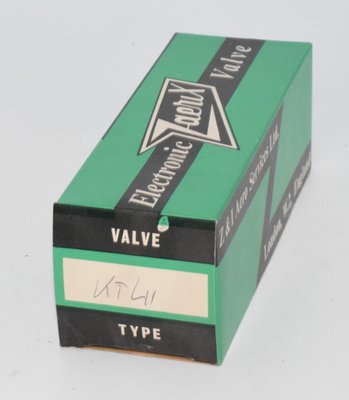
The PT4, also known as the KT41 when manufactured by Ferranti, is a power vacuum tube that emerged during the mid-20th century as part of the evolution of audio amplification technology. This tube represents an important development in the lineage of output tubes designed for medium-power audio applications, particularly in British and European audio equipment manufacturing.
The PT4 was developed during an era when vacuum tubes dominated all electronic amplification, before the transistor revolution of the 1960s and 1970s. Ferranti, a prestigious British electronics manufacturer, produced high-quality versions of this tube that became sought-after components in vintage audio equipment. The tube's design reflects the engineering standards of post-World War II British electronics, emphasizing reliability and consistent performance characteristics.
While the PT4 never achieved the widespread recognition of tubes like the EL34 or 6L6, it found its place in specific applications where its particular characteristics proved advantageous. Today, the PT4 remains of interest to vintage audio enthusiasts, tube amp builders, and audio restoration specialists who appreciate its sonic properties and historical significance.
2. Technical Specifications and Design
Physical Specifications
The PT4 is a noval-based power tube featuring a standard nine-pin configuration. The tube measures approximately 2.5 inches (63mm) in height, making it a compact power tube suitable for space-constrained amplifier designs. The glass envelope is typically constructed from borosilicate glass, which provides excellent thermal stability and durability.
Electrical Characteristics
Maximum Ratings:
- Plate Voltage (Maximum): 800V
- Plate Dissipation: Approximately 25-30 watts
- Grid Voltage (Bias): -40V to -50V typical
- Cathode Current: Up to 150mA
- Heater Voltage: 6.3V AC or DC
- Heater Current: Approximately 1.2A
Operating Characteristics:
The PT4 operates as a beam power tube with moderate amplification factor and relatively high output impedance. Typical operating points in Class AB1 configuration yield approximately 10-15 watts per tube in push-pull configuration. The tube exhibits good linearity across its operating range, with relatively low distortion when properly biased.
The plate resistance (rp) is moderate, typically ranging from 2,000 to 3,000 ohms, making it suitable for output transformers with moderate impedance ratios. The amplification factor (mu) is approximately 7-10, providing reasonable voltage gain while maintaining stability in feedback circuits.
Tube Construction
The PT4 employs a beam power tube construction with carefully designed beam-forming plates that focus the electron stream toward the plate with high efficiency. This design reduces plate current requirements while maintaining output power, making the tube more efficient than earlier triode designs. The cathode is typically a thoriated tungsten or oxide-coated design, providing reliable electron emission and long operational life.
The internal structure includes a suppressor grid positioned between the screen grid and plate, which helps prevent secondary emission and improves tube stability. This design feature contributes to the PT4's relatively low distortion characteristics and good linearity.
3. Applications and Usage
Original Applications
The PT4 was designed primarily for use in medium-power audio amplifiers, particularly in British and European consumer audio equipment from the 1950s and 1960s. It found application in:
- Integrated tube amplifiers rated between 15-30 watts
- High-fidelity audio systems
- Public address amplifiers
- Musical instrument amplifiers
- Professional monitoring equipment
Modern Audio Applications
In contemporary audio applications, the PT4 appeals to a niche but dedicated community:
Vintage Audio Restoration: Audio technicians and enthusiasts restoring classic British and European tube amplifiers often seek original or NOS (New Old Stock) PT4 tubes to maintain historical accuracy and preserve original sound characteristics. The tube's specific sonic signature is considered integral to the authentic performance of equipment from this era.
Tube Amplifier Design: Modern tube amp builders interested in vintage-inspired designs sometimes incorporate PT4s into custom amplifiers, appreciating their moderate power output suitable for home listening and their distinctive tonal characteristics. The tube's compact size makes it attractive for smaller, more portable amplifier designs.
Audio Enthusiast Community: High-fidelity audio enthusiasts who prefer the warm, organic sound of tube amplification over solid-state designs actively seek PT4 tubes. The tube's reputation for musicality and smooth distortion characteristics makes it valued in systems where sound quality is paramount.
Boutique Equipment Manufacturing: Some boutique amplifier manufacturers and custom builders specify PT4s in limited-edition or hand-crafted amplifiers, marketing them to discerning audiophiles willing to invest in vintage-inspired audio equipment with documented sonic qualities.
4. Sound Characteristics of PT4 Tubes
Tonal Profile
The PT4 is renowned among audio enthusiasts for its warm, musical sound character. The tube exhibits a smooth midrange presentation with a slightly rounded treble response, characteristics highly valued in audio applications where musicality is prioritized over clinical accuracy. This tonal signature reflects the design philosophy of mid-century British audio engineering, which emphasized pleasant, non-fatiguing sound reproduction.
Harmonic Distortion
When properly biased and loaded, the PT4 produces relatively low levels of harmonic distortion, typically in the range of 2-5% at rated output. The distortion that does occur tends to be predominantly second and third harmonic, which many listeners perceive as pleasant and musical rather than harsh or objectionable. This characteristic makes the tube particularly suitable for audio applications where some degree of harmonic coloration is considered desirable.
Dynamic Response
The PT4 demonstrates good transient response with relatively quick attack and decay characteristics. The tube handles dynamic peaks well without excessive compression, allowing musical details to remain clear and articulate. This quality contributes to the tube's reputation for accurate reproduction of percussive instruments and dynamic musical passages.
Frequency Response
The PT4's frequency response is relatively linear across the audio spectrum, with a gentle presence peak in the upper midrange (around 2-5kHz) that many listeners find adds clarity and definition without becoming aggressive or fatiguing. The bass response is clean and well-defined, while the treble extends smoothly without excessive brightness or harshness.
Impedance Characteristics
The tube's moderate output impedance allows for effective interaction with output transformer characteristics, contributing to the overall tonal signature of an amplifier. This impedance allows for transformer designs that complement the tube's natural sound, creating synergistic tonal effects that are difficult to replicate with lower-impedance output devices.
5. Equivalent or Substitute Types
Direct Equivalents
- KT41: The Ferranti designation for the same tube type, considered the most direct equivalent
- PT4 (Various manufacturers): Mullard, GEC, and other British manufacturers produced versions with virtually identical specifications
Functional Substitutes
While not perfect replacements, these tubes share similar characteristics and may work in PT4 applications with some caveats:
- EL84: Lower power output (12 watts) but similar tonal characteristics; suitable for lower-power applications
- 6V6: American equivalent with slightly different impedance characteristics; requires transformer adjustment
- EL34: Higher power output and different tonal signature; generally produces more aggressive sound
- KT66: Higher power rating but compatible pin configuration; produces different tonal character
Important Note: Substitution requires careful consideration of amplifier design parameters, bias circuits, and output transformer impedance matching. Incorrect substitution can result in reduced performance, excessive distortion, or component damage. Always consult amplifier design specifications before attempting tube substitution.
6. Notable Characteristics
Reliability and Longevity
The PT4, particularly when manufactured by Ferranti, demonstrates exceptional reliability and operational longevity. Many examples from the 1950s and 1960s remain fully functional today, testament to the robust engineering standards of the era. The tube's moderate operating temperatures and conservative electrical ratings contribute to its extended service life.
Availability and Pricing
PT4 tubes are relatively scarce in today's market, as production ceased decades ago. NOS (New Old Stock) examples command premium prices, typically ranging from $30-$80 per tube depending on manufacturer, condition, and test results. Ferranti-branded examples generally command higher prices due to their reputation for quality. Used, tested tubes are more affordable but may show signs of age-related degradation.
Collectibility
Among tube enthusiasts and collectors, the PT4 holds particular value, especially examples bearing prestigious manufacturer names like Ferranti. Tubes in original packaging with full documentation are especially sought-after. The tube's historical significance in British audio engineering contributes to its collectible status.
Testing and Matching
When used in push-pull configurations, PT4 tubes should be closely matched in electrical characteristics. Professional tube testers can measure transconductance, plate current, and other parameters to ensure matched pairs or quads perform uniformly, minimizing distortion and extending tube life.
Conclusion
The PT4 vacuum tube represents an important chapter in the history of audio amplification, particularly in British and European audio engineering. While no longer in production, the tube remains valued by audio enthusiasts, restoration specialists, and tube amp builders who appreciate its warm sonic character, reliable performance, and historical significance. For those seeking the authentic sound of vintage audio equipment or preferring the musical qualities of tube amplification, the PT4 continues to offer distinctive characteristics that justify its continued interest and use in contemporary audio applications.
As the audio community increasingly recognizes the value of vintage tube technology and seeks alternatives to solid-state amplification, tubes like the PT4 experience renewed appreciation. Whether for restoration, custom building, or pure enjoyment of tube-based sound reproduction, the PT4 remains a testament to mid-century engineering excellence and the enduring appeal of vacuum tube audio amplification.