1. Introduction and History
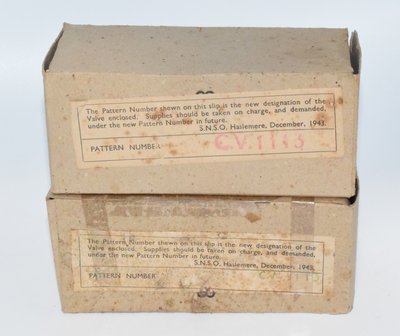
The U17 is a classic vacuum tube that emerged during the mid-20th century as part of the standardized European valve nomenclature system. Known by its military designation CV1113 in British service, the U17 represents an important chapter in the development of audio and measurement instrumentation tubes. Manufactured by respected firms including Mullard, Telefunken, and other European makers, the U17 became a staple component in professional audio equipment, laboratory instruments, and broadcast facilities from the 1950s through the 1970s.
The tube's designation follows the European naming convention where the "U" prefix indicates a half-wave or full-wave rectifier or general-purpose triode category. The U17 gained particular recognition for its reliability and consistent performance characteristics, making it a preferred choice for critical applications where tube replacement frequency needed to be minimized.
2. Technical Specifications and Design
Basic Parameters
The U17 is a medium-mu triode vacuum tube with the following primary specifications:
- Tube Type: Triode (3-element vacuum tube)
- Heater Voltage: 6.3V AC or DC
- Heater Current: Approximately 0.3A
- Maximum Plate Voltage: 330V
- Maximum Plate Dissipation: 2.5W
- Amplification Factor (μ): Approximately 20
- Plate Resistance (rp): Approximately 5,000-7,000 ohms
- Transconductance (gm): Approximately 2.5-3.0 mA/V
Physical Construction
The U17 features a standard 9-pin Noval (B9A) base configuration, a design that became ubiquitous in post-war European and American tube equipment. The tube measures approximately 3 inches (76mm) in height and features a glass envelope with internal electrode structures optimized for linear amplification. The internal construction utilizes a directly heated cathode with a control grid and plate arranged for optimal electron flow characteristics.
Quality examples from manufacturers like Mullard and Telefunken feature carefully constructed mica spacers, premium nickel-plated grids, and precisely aligned electrode geometry. NOS (New Old Stock) examples from the MO Valve Company represent well-preserved specimens that retain their original performance characteristics.
Operating Characteristics
The U17 operates efficiently in Class A amplification circuits with typical plate currents ranging from 15-30mA depending on bias conditions. The tube exhibits good linearity across its operating range, making it suitable for both voltage and current amplification applications. Its moderate amplification factor (μ ≈ 20) provides a balance between gain and linearity, resulting in predictable behavior in feedback-stabilized circuits.
3. Applications and Usage
Historical Applications
The U17 found widespread use in:
- Microphone preamplifiers in professional broadcast equipment
- Phonograph preamplifiers and turntable systems
- Measurement and test instrumentation
- Small signal amplification in mixing consoles
- Oscilloscope vertical amplifiers
- Audio monitoring equipment in recording studios
Audio Community Usage
Within the contemporary audio enthusiast and professional community, the U17 has experienced a resurgence in interest among vintage equipment restorers and tube audio purists. Audio engineers and hobbyists appreciate the U17 for several reasons:
Restoration and Preservation: Technicians restoring vintage microphone preamplifiers, console channels, and tape recording equipment frequently specify U17 replacements as original or period-correct components. The tube's long production run by multiple manufacturers ensures availability of suitable examples.
Sonic Characteristics in Audio Applications: Users report that the U17 contributes a warm, refined character to audio signal paths. In microphone preamplifier applications, the tube imparts a subtle harmonic richness and smooth transient response that many recording engineers find complementary to vocal and acoustic instrument recording. The tube's moderate gain and good linearity minimize distortion products while adding the characteristic "tube coloration" that distinguishes analog signal paths from solid-state alternatives.
Tube Swapping and Experimentation: The U17's compatibility with various equipment designs makes it a candidate for tube rolling experiments among audio enthusiasts. Users exploring different sonic characteristics in vintage amplifiers and preamps often experiment with different U17 examples from various manufacturers, noting subtle variations in tonal balance and harmonic content.
DIY Audio Projects: Hobbyist tube amplifier designers frequently incorporate U17s in small-signal stages of homebrew preamplifiers and guitar amplifiers, where the tube's moderate power dissipation and forgiving operating characteristics simplify circuit design and provide good sonic results.
Professional Audio Equipment: Recording studios maintaining vintage analog equipment continue to stock U17s for maintenance and repair of classic microphone preamplifiers, equalizers, and compressors from manufacturers including Neve, API, and Telefunken.
4. Sound Characteristics of the U17
The U17 exhibits distinctive sonic properties that contribute to its continued appreciation in the audio community:
Harmonic Profile: The U17 generates primarily second and third-order harmonic distortion products at moderate signal levels. These harmonics are perceived as musically complementary, adding warmth and presence without introducing harsh or fatiguing artifacts. The harmonic signature differs noticeably from solid-state amplification, contributing to the "tube sound" that many audio professionals value.
Frequency Response: The tube exhibits a smooth, extended frequency response with gentle high-frequency rolloff characteristics. This natural presence peak in the 2-5kHz region combined with subtle high-frequency attenuation contributes to a refined, non-fatiguing sonic presentation particularly valued in vocal recording applications.
Transient Response: The U17's relatively low plate resistance and good transconductance provide responsive transient handling. Percussive elements and speech transients maintain clarity and definition without excessive hardness, while sustained notes develop a rich, complex harmonic structure.
Noise Floor: Well-maintained examples exhibit low noise characteristics suitable for critical microphone preamplification. The tube's inherent thermal noise and shot noise remain low enough that external noise sources typically dominate the signal path in properly designed equipment.
Dynamic Range: The U17 maintains consistent sonic characteristics across a wide dynamic range. From subtle passages to demanding high-level signals, the tube responds linearly with graceful saturation characteristics that compress dynamically rather than distorting abruptly.
5. Notable Characteristics
Reliability and Longevity: The U17 demonstrates exceptional reliability with typical tube life exceeding 5,000-10,000 hours in normal operation. This longevity made it economical for professional installations where frequent tube replacement would be impractical.
Manufacturing Consistency: Major manufacturers including Mullard, Telefunken, and RFT maintained strict quality control standards. NOS examples from established makers like MO Valve Company represent carefully selected and preserved specimens with minimal degradation.
Broad Operating Tolerance: The U17 exhibits forgiving operating characteristics, functioning reliably across a range of bias and load conditions. This flexibility simplifies circuit design and allows operation in various equipment configurations.
Availability: Despite being a vintage component, U17s remain available through specialty tube suppliers, making restoration and maintenance of classic equipment feasible. The tube's popularity ensures continued availability of both original NOS stock and new production examples.
Collector Value: Quality examples, particularly those from respected manufacturers in original packaging, command modest collector premiums. NOS tubes from the MO Valve Company represent well-preserved examples valued by both users and collectors.
Conclusion
The U17 represents an important chapter in vacuum tube history, combining reliable performance with sonic characteristics that continue to appeal to audio professionals and enthusiasts. Whether in original equipment or as part of restoration projects, the U17 continues to deliver the warm, refined sonic character that defines the golden age of tube audio. Its moderate specifications, proven reliability, and musical character ensure its continued relevance in both preservation of audio heritage and contemporary tube audio applications.