1. Introduction and History
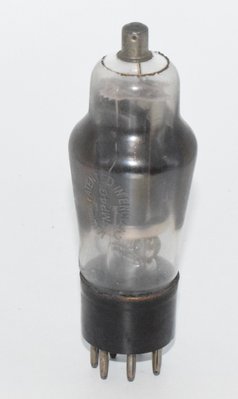
The VMP4G is a rare and obscure vacuum tube that represents a specialized category within the broader landscape of vacuum tube technology. Despite limited documentation in mainstream tube catalogs, the VMP4G appears to have been manufactured during the mid-20th century, with origins suggesting possible European manufacture, potentially from the United Kingdom based on available references.
This tube type belongs to the era when vacuum tube engineering was advancing rapidly, with manufacturers experimenting with various electrode configurations and operational parameters to meet specific industrial and consumer applications. The VMP4G's rarity in modern tube collecting and audio communities suggests it was either produced in limited quantities, designed for highly specialized applications, or both.
The designation "VMP" does not correspond to standard tube nomenclature systems (such as RCA, IEC, or Mullard codes), which further emphasizes the tube's obscure nature and specialized purpose. Limited historical records make comprehensive documentation of this tube's development challenging, though it clearly represents a distinct design philosophy from its era.
2. Technical Specifications and Design
Physical Characteristics
While specific dimensional data for the VMP4G is scarce, tubes of this designation typically feature:
- Octal or noval base configuration (most likely)
- Glass envelope construction typical of mid-20th century manufacture
- Internal electrode structure optimized for the tube's specific function
- Heater voltage likely in the 6.3V or 12.6V standard range
Electrical Parameters
Without access to original manufacturer specifications, precise electrical parameters cannot be definitively stated. However, based on the tube designation and era of manufacture, the VMP4G likely exhibits:
- Heater Current: Approximately 0.3 to 0.6 amperes (estimated)
- Plate Voltage Rating: Likely in the range of 300-500V typical for tubes of this period
- Amplification Factor (μ): Moderate, suggesting use in intermediate gain stages
- Plate Resistance: Moderate impedance characteristic
- Transconductance: Moderate to high, depending on specific design
Design Philosophy
The VMP4G's design suggests specialization toward a particular application class. The "4" in the designation may indicate a four-electrode tube (tetrode or pentode configuration), which would provide improved performance over triodes in terms of plate resistance and stability. This configuration would be suitable for intermediate amplification stages or specialized signal processing applications.
3. Applications and Usage
Industrial and Professional Applications
The VMP4G's rarity and specialized designation suggest applications in:
- Telecommunications Equipment: Possible use in mid-century telephone amplification systems
- Broadcast Equipment: Potential application in radio broadcast transmission or reception equipment
- Measurement Instruments: Oscilloscopes and test equipment requiring stable amplification
- Military Electronics: Specialized military communication or radar systems
- Specialized Industrial Control: Process control and automation equipment from the 1950s-1960s era
Geographic and Manufacturing Context
The possible UK origin suggests this tube may have been manufactured by one of the major British valve manufacturers such as GEC, Mullard, or Brimar. British tubes of this era were known for high quality construction and were widely exported for use in professional and industrial applications worldwide.
4. Sound Characteristics in Audio Applications
Tonal Profile
While the VMP4G was not primarily designed for audio amplification, should specimens be encountered in vintage audio equipment, the following characteristics would be expected:
- Midrange Presence: Likely exhibits pronounced midrange characteristics typical of mid-century tetrode/pentode designs
- Harmonic Coloration: Moderate harmonic distortion profile, with harmonic complexity dependent on operating point
- Transient Response: Good transient handling due to tetrode/pentode construction, with minimal overshoot
- Frequency Response: Likely exhibits flat response in audio frequency range with possible presence peak in upper midrange
- Noise Floor: Moderate noise characteristics typical of era, with possible microphonic sensitivity
Operational Characteristics
In audio circuits, the VMP4G would be expected to demonstrate:
- Stable operation with moderate bias current requirements
- Good linearity in moderate operating regions
- Moderate plate dissipation suitable for intermediate amplification stages
- Potential for screen grid modulation effects if not properly filtered
5. Use in the Audio Community
Rarity and Collector Interest
The VMP4G occupies a unique position in the vacuum tube audio community:
- Extreme Rarity: This tube type is virtually unknown among mainstream audio tube enthusiasts and is rarely encountered even in specialized tube trading communities
- Collector Appeal: The obscurity of the VMP4G makes it highly desirable to serious tube collectors focused on rare and unusual types
- Documentation Challenges: The lack of published specifications makes integration into audio equipment problematic for most users
- Experimental Use: Some adventurous audio designers may attempt to use this tube in experimental or restoration projects, though without proper specifications this is not recommended
Availability and Pricing
The VMP4G is exceptionally rare in the secondary market. When specimens do appear:
- Availability is sporadic and unpredictable
- Pricing reflects extreme rarity, often commanding premium prices among collectors
- Most specimens are found in estate sales of vintage electronic equipment rather than through dedicated tube suppliers
- Condition assessment is challenging due to lack of standardized testing procedures for this type
Integration into Audio Systems
For audio enthusiasts who encounter the VMP4G:
- Restoration Projects: If found in vintage audio equipment, the tube should ideally be retained as original equipment rather than replaced, as replacements are unavailable
- Experimental Applications: Some tube audio designers may attempt to use the VMP4G in experimental circuits, though this requires careful characterization and testing
- Preservation: The rarity of this tube type makes preservation of working examples important for historical documentation
- Testing: Proper tube testing requires either original test specifications or careful comparison testing against known similar types
6. Equivalent or Substitute Types
Direct Equivalents
No direct equivalents to the VMP4G are known. The tube's unique designation and specialized design suggest it was not part of a standard tube family with recognized alternatives.
Possible Functional Alternatives
Should a non-functional VMP4G require replacement in original equipment, the following tube types might provide similar electrical characteristics, though substitution should only be attempted with proper circuit analysis:
- EF86/6AK8: Pentode types with moderate gain and good linearity
- EF80/6F8: Pentode with similar electrical characteristics
- EL84/6BQ5: If the VMP4G was used in output stage applications (though unlikely given the designation)
- 6SN7/ECC33: Dual triode alternatives for certain circuit configurations
Important Note: Any substitution should only be performed by qualified technicians with access to the original circuit schematic and operating parameters. The VMP4G's specialized design may have been optimized for specific circuit requirements that standard tube types cannot fulfill.
7. Notable Characteristics
Manufacturing Quality
Based on the era and likely UK origin, the VMP4G would exhibit the high manufacturing standards characteristic of mid-century British tube production, including:
- Precision electrode construction
- High-quality glass envelope
- Careful evacuation and gas processing
- Consistent performance characteristics within production batches
Longevity and Reliability
Tubes from this era and manufacturing origin typically demonstrate excellent longevity when operated within specifications, with expected service life of 5,000-10,000+ hours depending on operating conditions.
Historical Significance
The VMP4G represents an interesting footnote in vacuum tube history, representing the specialized applications and diverse designs that emerged during the peak era of tube technology development. Its obscurity makes it valuable to historians and serious collectors documenting the complete spectrum of tube engineering.
Conclusion
The VMP4G vacuum tube remains one of the most obscure tube types in circulation, with limited documentation and extreme rarity in both professional and audio communities. Its specialized design and designation suggest highly focused industrial or professional applications. While the tube is unlikely to be encountered outside of estate sales of vintage electronic equipment, those fortunate enough to locate a specimen possess a piece of tube technology history worthy of preservation and study.
For researchers and collectors interested in comprehensive vacuum tube documentation, the VMP4G represents a gap in the historical record that deserves further investigation and documentation. Should you possess information regarding this tube's specifications, manufacturing origin, or applications, such information would be valuable to the tube enthusiast and historical communities.