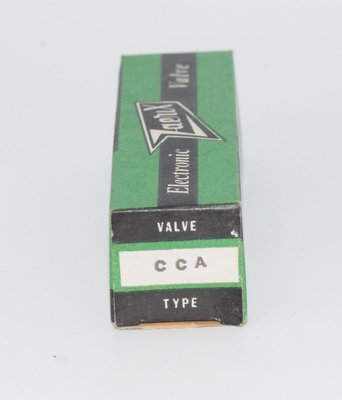
1. Introduction and History
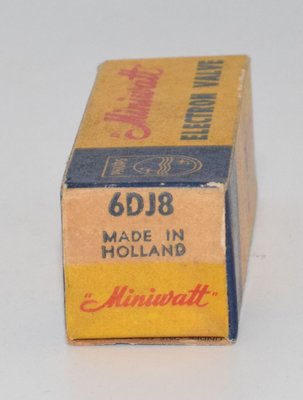
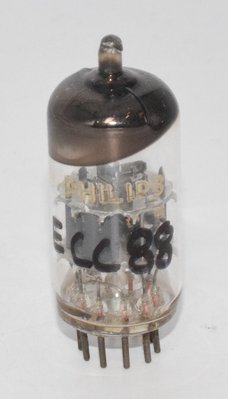
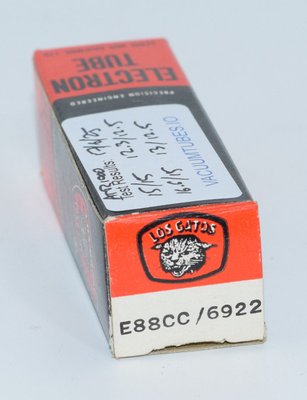
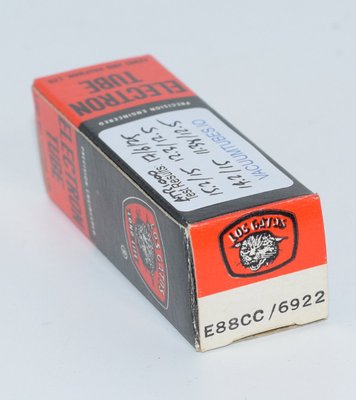
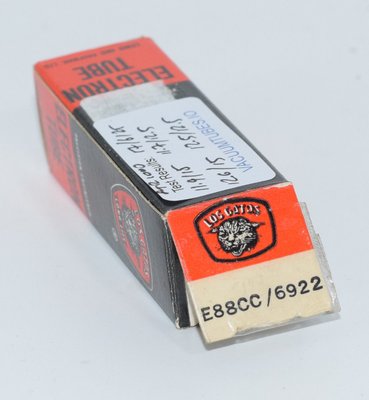
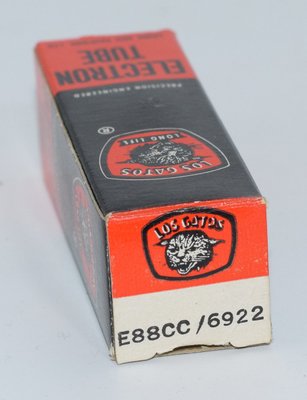
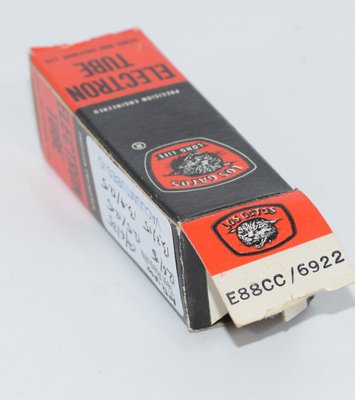
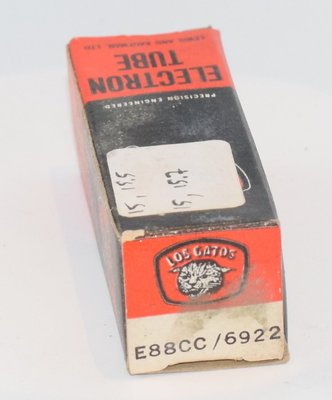
The ECC88, also known as 6DJ8 in North America, is a dual triode vacuum tube that has become legendary in audio engineering circles. First developed in the 1950s, the ECC88 was designed as a medium-mu dual triode with relatively high transconductance, making it ideal for both audio preamplification and signal processing applications.
The tube emerged during the golden age of vacuum tube electronics, when manufacturers like Philips, Mullard, Telefunken, and others were pushing the boundaries of tube design. The ECC88 quickly gained recognition for its exceptional performance characteristics and has maintained its reputation for over seven decades. Unlike many tubes that have become obsolete, the ECC88 remains in active production and is highly sought after by audio enthusiasts and professionals worldwide.
The historical significance of the ECC88 cannot be overstated. It became the standard preamp tube in countless high-end audio components, professional recording equipment, and musical instrument amplifiers. Its development represented a major milestone in achieving lower noise floors and improved frequency response in tube-based electronics.
2. Technical Specifications and Design
Physical Characteristics
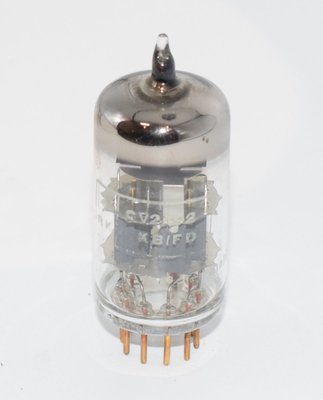
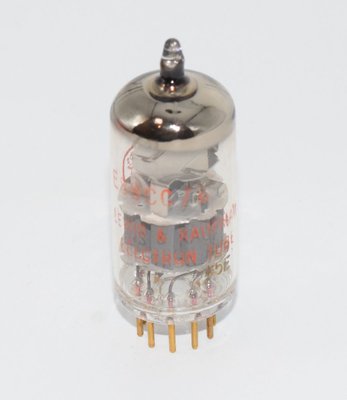
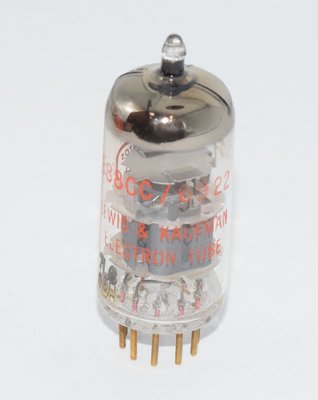
Envelope Type: Noval (9-pin) glass envelope
Height: Approximately 75mm (including pins)
Diameter: Approximately 22mm
Pin Configuration: Noval 9-pin base with standard EIA configuration
Electrical Specifications
| Parameter | Value | Unit |
|---|---|---|
| Heater Voltage (AC/DC) | 6.3 | V |
| Heater Current | 0.33 | A |
| Plate Supply Voltage (typical) | 330 | V |
| Plate Current (per triode) | 10-15 | mA |
| Amplification Factor (μ) | 33 | — |
| Plate Resistance (rp) | ~1.6 | kΩ |
| Transconductance (gm) | 13.5 | mS |
| Maximum Plate Dissipation (per triode) | 1.0 | W |
| Input Capacitance | ~2.4 | pF |
| Output Capacitance | ~2.2 | pF |
| Interelectrode Capacitance | ~1.4 | pF |
Design Philosophy
The ECC88 is a medium-mu dual triode, meaning each of the two triodes contained within the tube has a moderate amplification factor. This design choice offers an excellent balance between gain and linearity. The relatively high transconductance (13.5 mS) allows for efficient signal amplification with minimal output impedance, making it ideal for driving subsequent stages without requiring excessive coupling capacitors.
The tube features two completely independent triode systems within a single envelope, allowing for flexible circuit configurations. This dual nature made it economical for manufacturers while providing excellent performance. The compact Noval envelope became the industry standard for dual triodes, and the ECC88 remains the most respected member of this family.
Internal Construction
The ECC88 employs a carefully designed internal structure with:
- Cathode: Indirectly heated oxide-coated cathode providing stable emission characteristics
- Control Grid: Precisely wound tungsten wire for minimal microphonics
- Plate: Nickel construction for durability and thermal stability
- Mica Spacers: High-quality mica insulators maintaining precise electrode spacing
- Internal Shield: Mu-metal or similar shielding to reduce capacitive coupling between triodes
3. Applications and Usage
Professional Audio Applications
The ECC88 has been the tube of choice for professional audio equipment for decades:
- Microphone Preamplifiers: Used in legendary Neve, API, and Telefunken console designs
- Mixing Consoles: The standard preamp tube in professional recording studios worldwide
- Mastering Equipment: Critical applications requiring transparent, low-distortion amplification
- Broadcast Equipment: Trusted in radio stations and broadcasting facilities
- Measurement Instruments: Employed in precision audio test equipment
Consumer Hi-Fi Applications
In the consumer audio realm, the ECC88 has achieved iconic status:
- Tube Preamplifiers: The primary tube in high-end preamp designs
- Integrated Amplifiers: Used in the preamp section of tube-based integrated amps
- Phono Preamps: Preferred for vinyl playback equipment
- DAC Output Stages: Modern high-end digital-to-analog converters employ ECC88s
- Headphone Amplifiers: Popular in boutique headphone amp designs
Musical Instrument Applications
Musicians and instrument amplifier designers have embraced the ECC88:
- Guitar Amplifiers: Used in preamp sections of high-end tube amps
- Bass Amplifiers: Provides clean preamp gain for bass applications
- Keyboard Amplifiers: Delivers transparent amplification for electronic instruments
- Effect Processors: Employed in boutique effects units for subtle tonal enhancement
4. Sound Characteristics
General Sonic Profile
The ECC88 is renowned for its transparent, neutral sound character. Unlike power tubes which significantly color the signal, preamp tubes like the ECC88 are designed to amplify with minimal sonic signature. However, the quality of construction, materials, and manufacturing processes creates subtle but noticeable differences between various manufacturers and production eras.
Frequency Response
The ECC88 exhibits excellent frequency response characteristics across the audible spectrum (20Hz-20kHz) with minimal distortion. Its low output impedance and high transconductance allow for extended frequency response without requiring excessive coupling capacitors. The tube naturally rolls off slightly above 50kHz, which provides natural attenuation of ultrasonic frequencies and reduces potential intermodulation distortion.
Harmonic Distortion Profile
When operated within normal parameters, the ECC88 produces very low total harmonic distortion (THD), typically below 0.5% at normal audio levels. The harmonic distortion that does occur is predominantly second and third harmonics, which are musically benign and often considered pleasant to the ear. This contrasts with solid-state devices that can produce higher orders of odd-numbered harmonics, which are perceived as more fatiguing.
Noise Characteristics
The ECC88 is known for its low noise floor, making it ideal for preamplification stages. Typical noise floor measurements are around -80dB (referred to 1V output), which is excellent for a tube device. The noise consists primarily of thermal noise from the cathode resistor and shot noise from the plate current. High-quality production batches from manufacturers like Telefunken, Mullard, and Philips can achieve even lower noise floors.
Transient Response
The ECC88's fast transient response contributes to its perceived clarity and detail. The tube responds quickly to signal changes, neither adding softness nor harshness to transients. This characteristic makes it particularly valued in applications where accurate reproduction of attack and decay is critical, such as classical music reproduction and professional recording.
Microphonics and Vibration Sensitivity
While the ECC88 is relatively immune to microphonics compared to pentodes, certain production runs exhibit more sensitivity than others. Telefunken and early Mullard ECC88s are known for exceptional mechanical rigidity and low microphonics. This characteristic is particularly important in phono preamplifiers where vibration can be amplified significantly.
Tonal Coloration
Quality ECC88 tubes from premium manufacturers impart a subtle warmth and musicality to the signal without obvious coloration. The tube's inherent characteristics contribute to what many describe as a "tube sound" – a slight emphasis in the midrange and a gentle roll-off of extreme highs that can be either transparent or slightly warm depending on the specific tube and manufacturing era.
Variability Between Manufacturers
A critical aspect of ECC88 sound characteristics is the variation between manufacturers:
- Telefunken (Germany): Known for exceptional clarity, detail, and neutrality. Considered the sonic reference standard with a slightly forward midrange.
- Mullard (UK): Warm, smooth character with excellent musicality. Often described as having a "sweet" top end.
- Philips (Netherlands): Balanced, neutral presentation with good detail retrieval.
- Siemens (Germany): Similar to Telefunken with excellent build quality and reliability.
- Valvo (Germany): Smooth, musical character with refined highs.
- RFT (East Germany): Warm, forgiving character with good body and presence.
- Amperex (USA/Netherlands): Clear, detailed presentation with excellent dynamics.
5. Use in the Audio Community
Audiophile Preferences and Tube Rolling
The ECC88 has become the primary tube for "tube rolling" – the practice of experimenting with different tube brands and production eras to optimize system sound. Audiophiles invest significant resources in acquiring vintage ECC88s from prized manufacturers, with rare examples commanding premium prices. A single NOS (new old stock) Telefunken ECC88 can cost $300-500, while matched pairs for stereo applications cost even more.
The practice of tube rolling has created a thriving secondary market for ECC88s, with specialized dealers, online forums, and auction sites dedicated to facilitating transactions. This community aspect has helped preserve knowledge about different production batches and their sonic characteristics.
Tube Rolling Guide for Audio Enthusiasts
For those new to ECC88 tube rolling, the general hierarchy of sonic preference in the audio community is:
- Telefunken ECC88 (1960s): The gold standard, offering unmatched clarity and detail
- Mullard ECC88 (1960s-70s): Warm, musical alternative with excellent midrange
- Siemens ECC88: German precision with excellent reliability
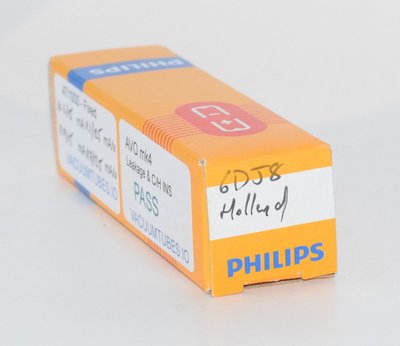
- Philips ECC88: Solid performer offering good value
- Modern Production: Acceptable for most applications but lacking the character of vintage tubes
Professional Recording Studio Perspective
In professional recording environments, the ECC88's consistency and reliability are paramount. Studios often maintain multiple matched pairs to ensure sonic consistency across sessions. The low noise floor and transparent character make it ideal for capturing accurate recordings without adding unwanted coloration. Many legendary recordings were made through preamps utilizing ECC88s, contributing to the tube's legendary status.
High-End Audio Market
The high-end audio market treats the ECC88 with reverence, often featuring it prominently in product marketing. Manufacturers highlight the specific ECC88 tubes used in their designs, and some offer tube upgrade options with premium examples. The ECC88 has become synonymous with quality tube preamp design, and its presence in a component's specification sheet is considered a mark of serious audio engineering.
DIY and Hobbyist Community
The DIY audio community has embraced the ECC88 enthusiastically, with countless preamp designs, phono stages, and headphone amplifiers available as kits or schematics. The Noval pinout and standardized characteristics make the ECC88 ideal for hobbyist projects, while the availability of information and community support makes troubleshooting and optimization accessible to non-professionals.
Vintage Equipment Restoration
As vintage audio equipment has gained appreciation, ECC88 tubes have become essential for restoration projects. Restorers and collectors seek original-specification tubes to maintain authenticity, driving demand for NOS examples. The ability to restore vintage equipment to original specifications using period-correct ECC88s has contributed significantly to the tube's continued relevance.
Market Dynamics and Pricing
The ECC88 market reflects the broader tube market dynamics:
- Vintage NOS tubes: Command premium prices based on brand, condition, and test results
- Modern reproductions: Available at moderate prices but generally considered inferior to vintage examples
- Matched pairs/quads: Significant price premiums for matched sets for stereo applications
- Rare variants: Special versions like the Telefunken ECC88 with diamond bottom can exceed $1000 per tube
- Testing and certification: Tubes with documented test results and guarantees command price premiums
Audio Publications and Reviews
The ECC88 features prominently in audio publications, with tube reviews and comparisons being popular content. Magazines like Stereophile, The Absolute Sound, and Hi-Fi News regularly discuss ECC88 tubes and their impact on system sound. This media attention has helped establish the ECC88 as the reference preamp tube and educated consumers about tube selection.
Online Communities and Resources
Dedicated online forums and communities have emerged around ECC88 discussion, including:
- Audio engineering forums where professionals share experiences
- Audiophile communities focused on tube rolling and sonic optimization
- DIY audio projects featuring ECC88-based designs
- Vintage equipment restoration groups sharing restoration techniques
- Measurement and testing communities documenting ECC88 characteristics
6. Equivalent or Substitute Types
Direct Equivalents
6DJ8: The North American designation for the ECC88. Electrically and physically identical, with the same Noval pinout and specifications. The 6DJ8 designation was used primarily in American equipment while ECC88 was the European standard.
6DQ8: A related tube with similar pinout but different characteristics. The 6DQ8 combines a triode and pentode in a single envelope, making it unsuitable as a direct replacement for ECC88 applications requiring dual triodes.
Functional Alternatives
ECC83 (12AX7): A higher-mu dual triode with approximately 100 amplification factor compared to the ECC88's 33. The ECC83 is NOT a direct substitute as it will produce excessive gain and different frequency response. However, in some applications with appropriate circuit modifications, an ECC83 can be used.
ECC81 (12AT7): A medium-mu dual triode with 60 amplification factor. More suitable as a substitute than the ECC83 in some applications, but still produces different gain characteristics.
6N1P (Russian equivalent): A Soviet-era medium-mu dual triode designed as an ECC88 equivalent. Quality varies significantly, but some examples offer reasonable performance at lower cost.
Practical Substitution Considerations
While the ECC88 is the optimal choice for most applications, understanding substitution options is valuable:
- Direct substitution with 6DJ8 is always acceptable
- Substitution with higher-mu tubes (ECC83, ECC81) requires circuit modifications
- Lower-quality equivalents may compromise sonic performance
- Some applications have specific requirements that only the ECC88 satisfies
- Tube rolling within ECC88 variants offers more sonic variation than substituting different tube types
7. Notable Characteristics
Reliability and Longevity
The ECC88 is renowned for exceptional reliability. Many examples from the 1960s remain in service today, having survived decades of continuous use. This longevity reflects superior design and manufacturing quality. The oxide-coated cathode is particularly robust, resisting poisoning and degradation that affects inferior tubes.
Consistency Across Batches
While individual tube variations exist, ECC88 production from major manufacturers maintained relatively consistent specifications. This consistency made the ECC88 ideal for professional applications where reliability was critical. Quality control in European factories was particularly rigorous, contributing to the reputation of tubes from Telefunken, Mullard, and Philips.
Low Microphonics
Compared to many other preamp tubes, the ECC88 exhibits relatively low sensitivity to mechanical vibration. The rigid construction and internal bracing minimize microphonics, making it suitable for phono applications where vibration sensitivity can be problematic.
Excellent Linearity
The ECC88's medium-mu design produces excellent linearity across its operating range. This characteristic minimizes distortion and allows for clean amplification without the need for excessive negative feedback, which can introduce phase distortion and other artifacts.
Low Capacitance
The ECC88's relatively low input and output capacitances (approximately 2.4pF and 2.2pF respectively) allow for extended frequency response without coupling capacitor limitations. This characteristic is particularly valuable in phono preamp applications where low-frequency response is critical.
Aesthetic Appeal
Beyond technical merits, the ECC88's elegant Noval envelope and warm glow have aesthetic appeal that contributes to its popularity. The tube's visual presence in audio equipment enhances the appeal of tube-based components, combining form and function in a way that solid-state alternatives cannot match.
Conclusion
The ECC88 represents the pinnacle of dual triode design, combining exceptional technical specifications with proven real-world performance. Its continued use in modern high-end audio equipment, professional recording studios, and DIY projects demonstrates the enduring relevance of this classic tube. Whether selected for technical merits or sonic characteristics, the ECC88 remains the reference standard for preamp tube performance.
The thriving secondary market for vintage examples and ongoing production of modern versions ensures that the ECC88 will remain available for future generations of audio enthusiasts and professionals. Its influence on audio equipment design and the audio community's culture cannot be overstated, making it one of the most important vacuum tubes ever developed.